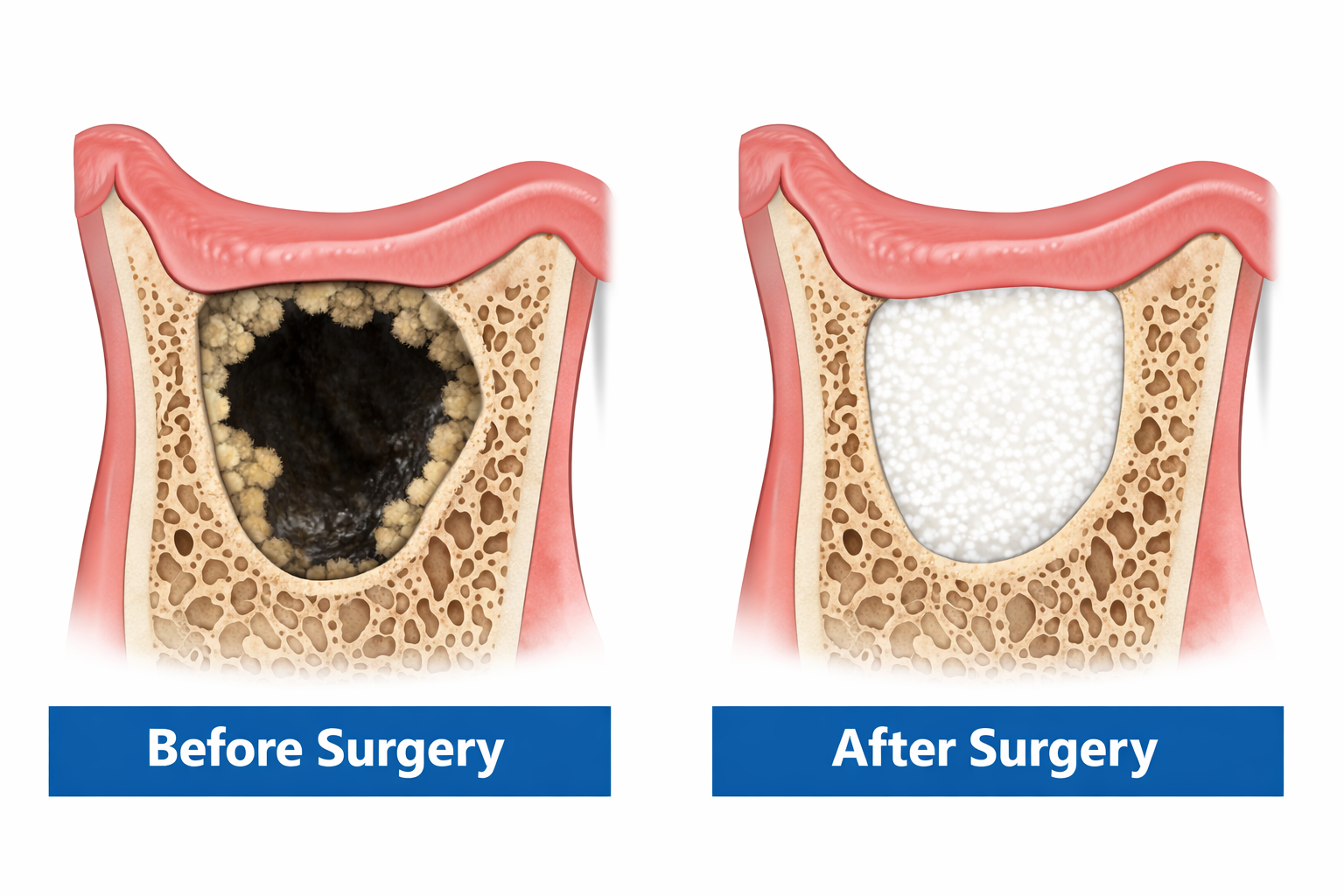
What Is a Jawbone Cavitation? Hidden Infection in the Jaw
What jawbone cavitations are, how the 2025 term Covered Socket Residuum (CSR) describes under-mineralized bone under healed gums, and why it is controversial.
Resource Hub
What jawbone cavitations are, how the 2025 term Covered Socket Residuum (CSR) describes under-mineralized bone under healed gums, and why it is controversial.
How OraBiologics vets dentists via certifications, protocol review, interviews, peer references and committee voting, and why credentials alone fall short.
Why a tooth is sensitive after a filling, crown or onlay, how cold, bite and lingering sensitivity differ, and when the pulp is healing versus in trouble.
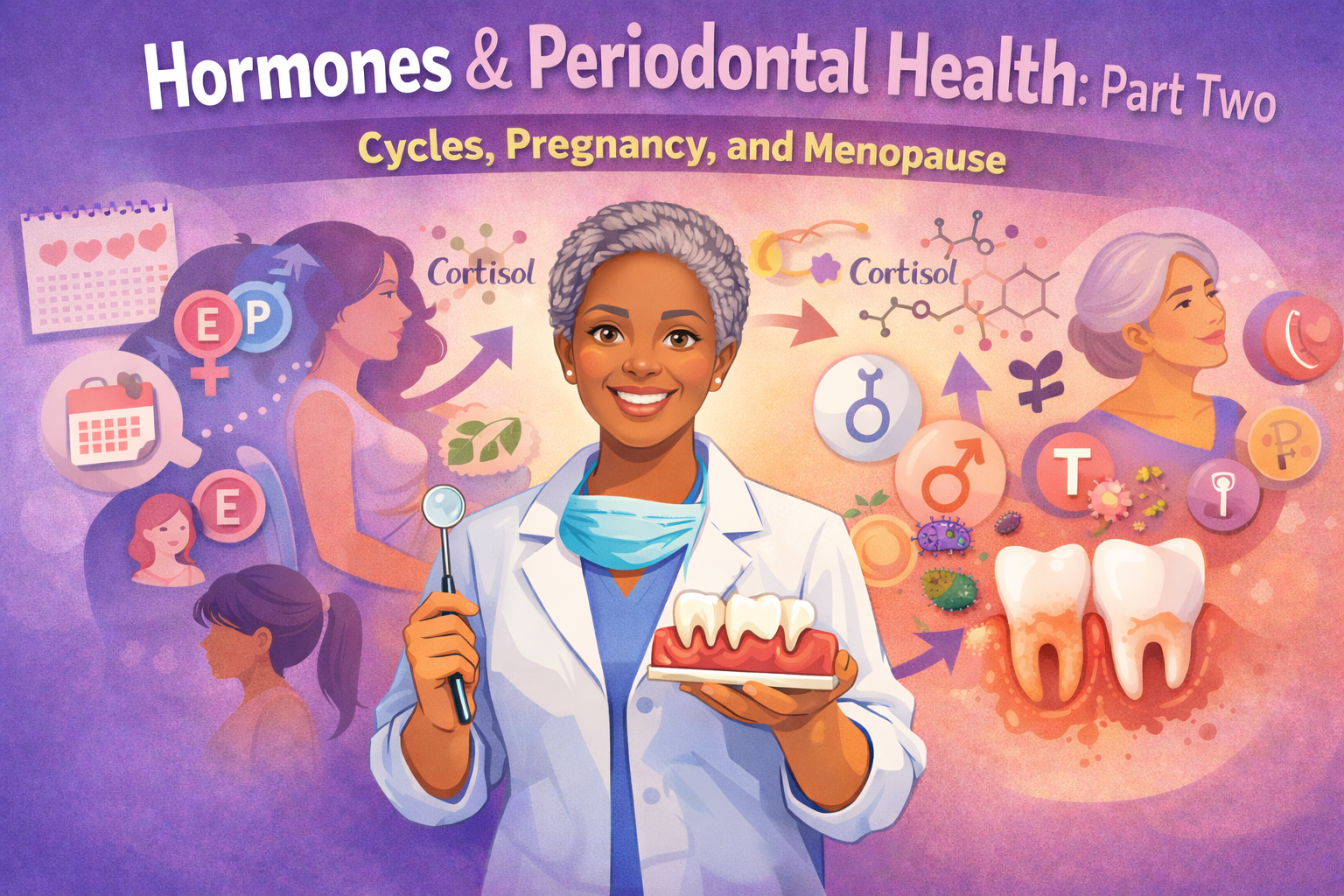
How hormone shifts across the menstrual cycle, pregnancy and menopause change gum inflammation, healing and bone loss, and why gum care must account for them.
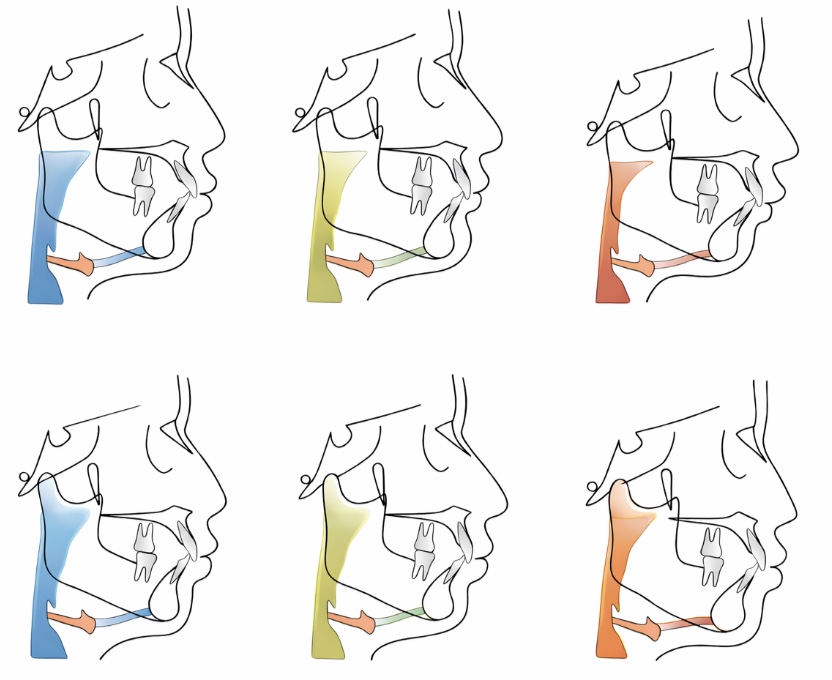
What to do when an orthodontist wants to pull your child's teeth for crowding, why extraction can shrink the airway, and why to ask about expansion first.
Why teeth move after braces, how airway resistance, tongue posture and muscle force drive orthodontic relapse, and why retainers are part of honest care.
What real informed consent in dentistry requires, why a signed form is not consent, and how a dentist explains risks, alternatives and the option to decline.
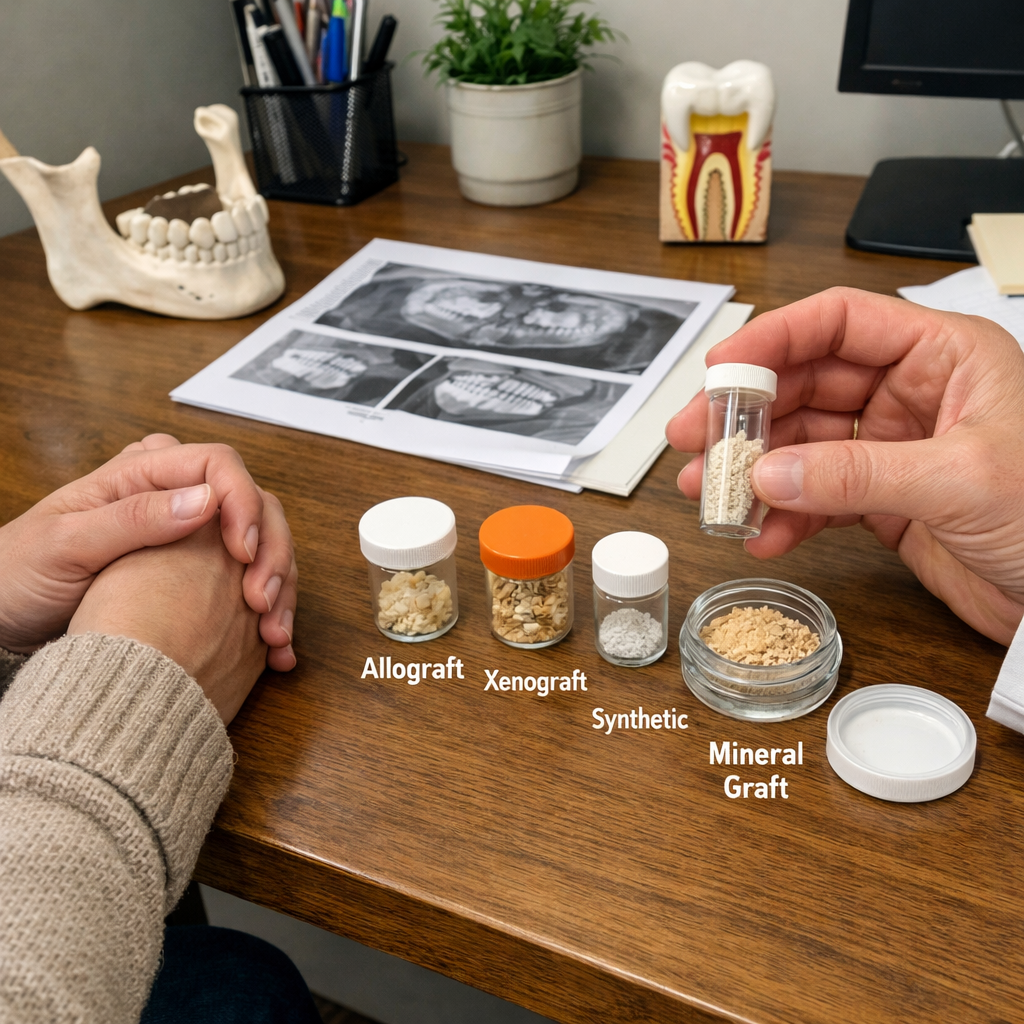
Types of dental bone grafts, from autograft and allograft to bovine xenograft and synthetic options, why bone loss starts after extraction, and what to ask.
Why patients feel grief, guilt or shame after a tooth extraction while others feel relief, what each nervous-system response means, and how healing follows.
When a space maintainer is needed after a baby tooth is lost early, when the permanent tooth will erupt fine on its own, and the material questions to ask.
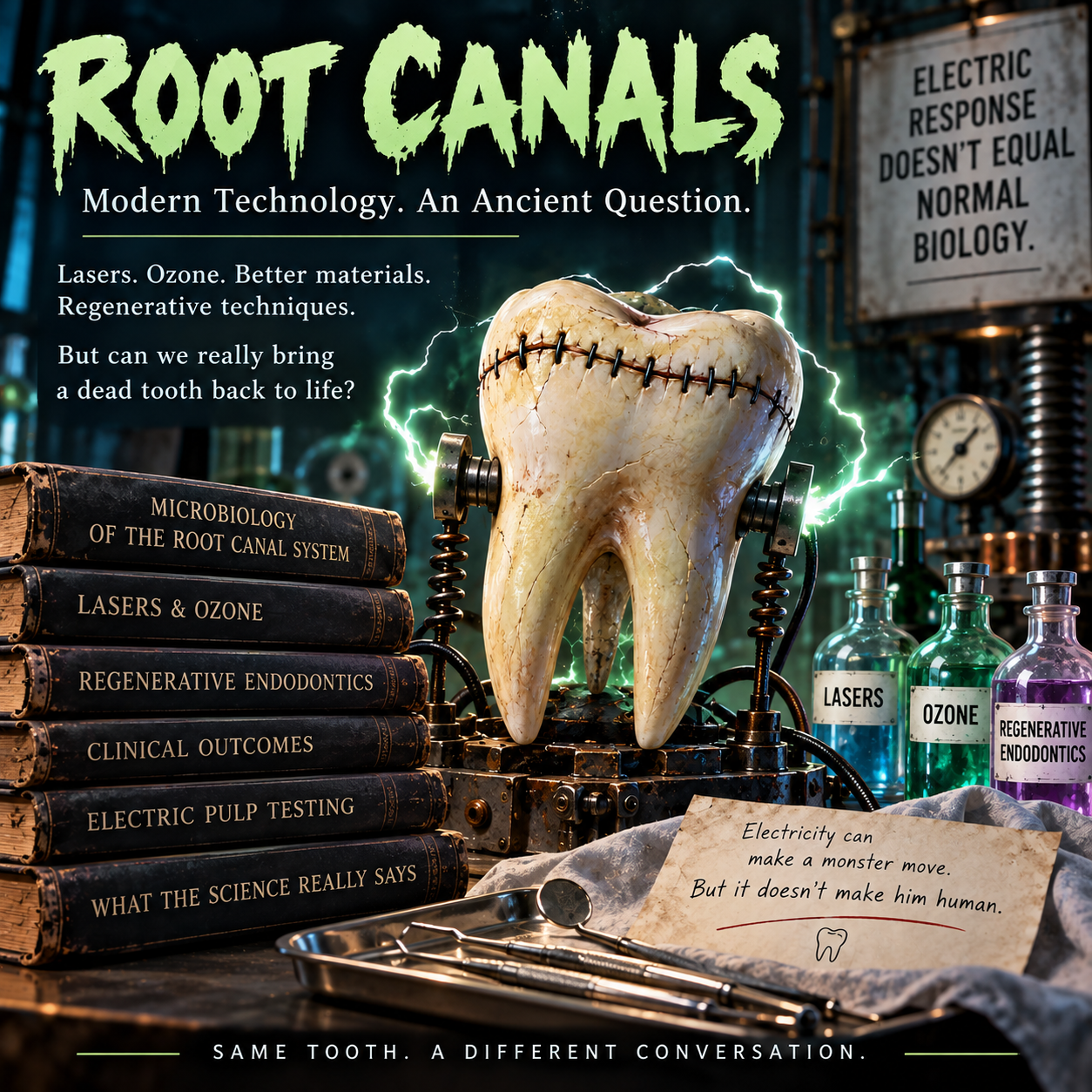
Whether root canals are safe, what remains inside a dead tooth, how biofilm persists in dentinal tubules, and why zirconia implants are the healthier path.
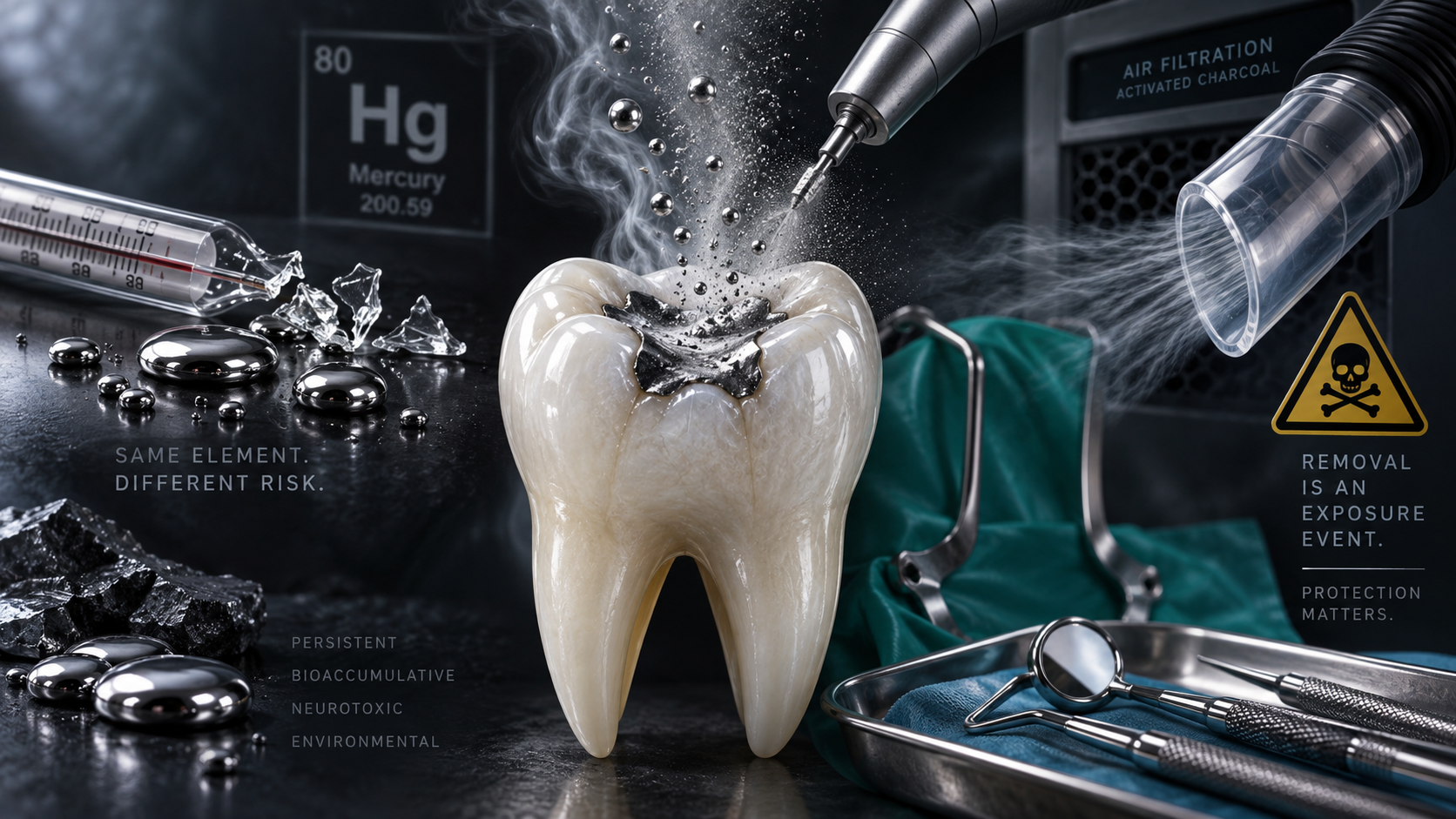
Whether mercury in amalgam fillings is dangerous, how much vapor a filling releases each day, and why the removal method matters as much as the decision.
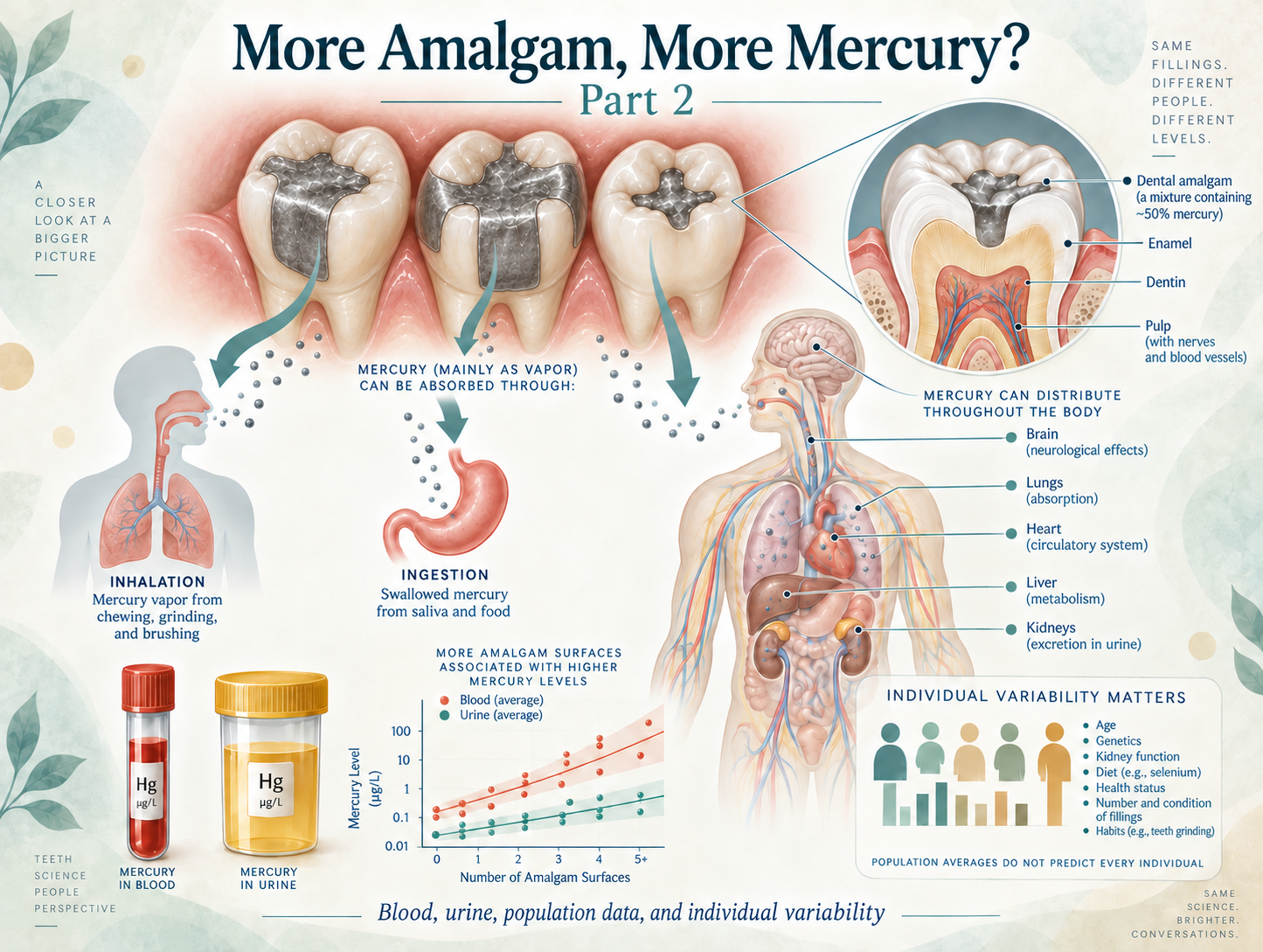
What biomonitoring shows about amalgam fillings and mercury in blood, urine and brain tissue, and why more filling surfaces means measurably more mercury.
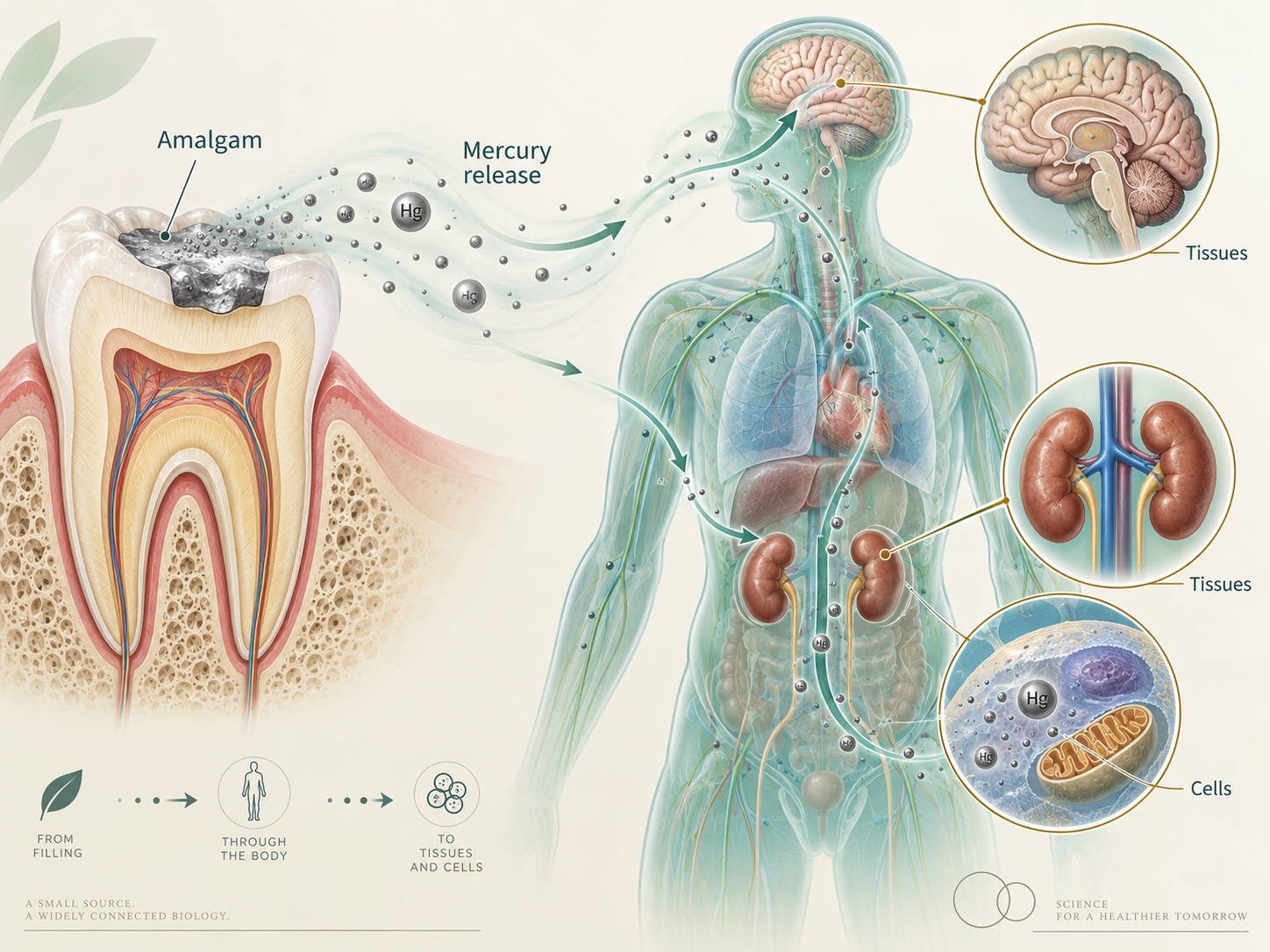
Where mercury vapor from amalgam fillings travels once inhaled, how it crosses into the brain and kidneys, why it stays for years, and what it does to cells.
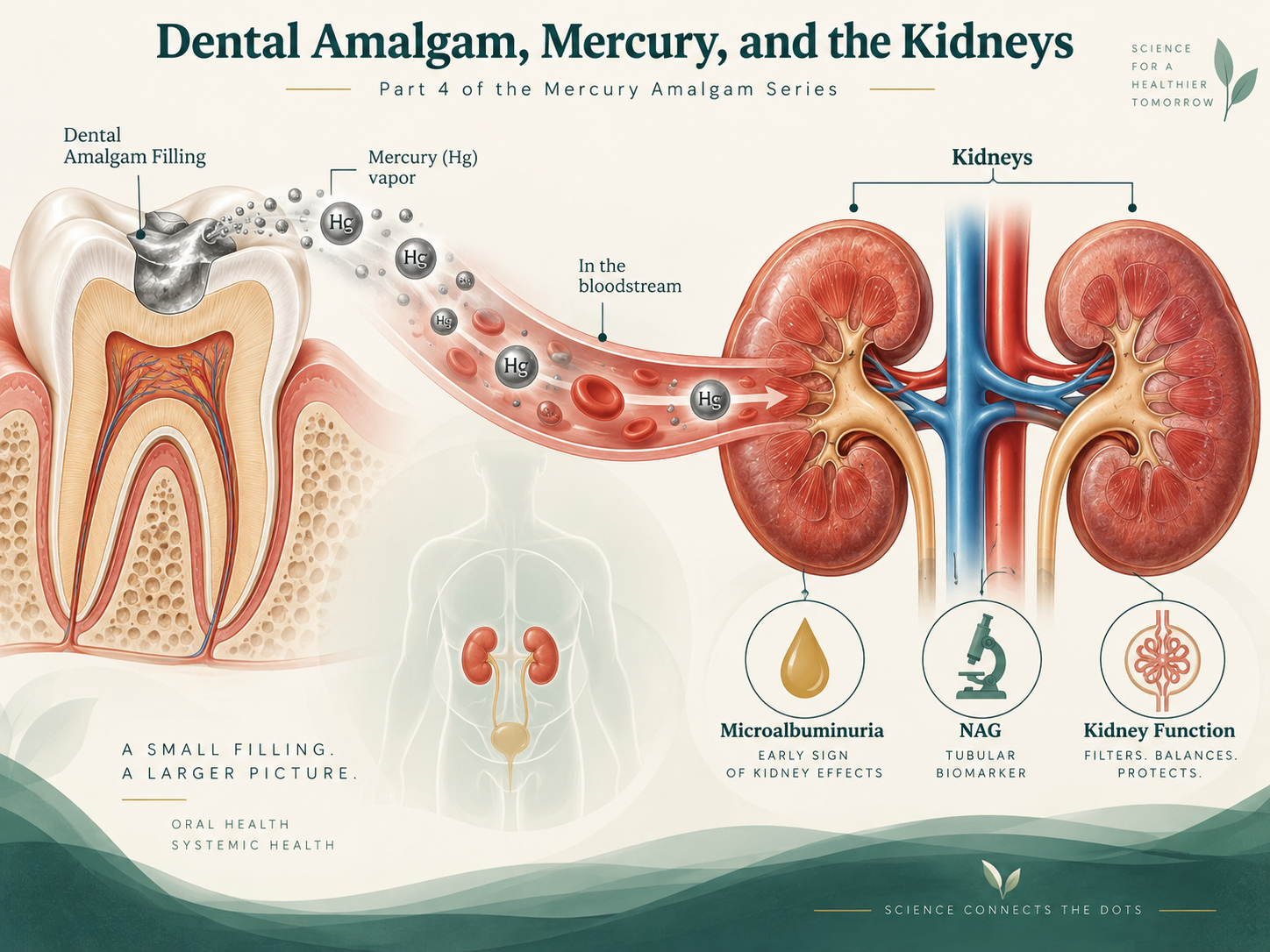
Whether amalgam fillings damage the kidneys, why the kidney is the main organ that stores inorganic mercury, and what urinary mercury and kidney studies show.
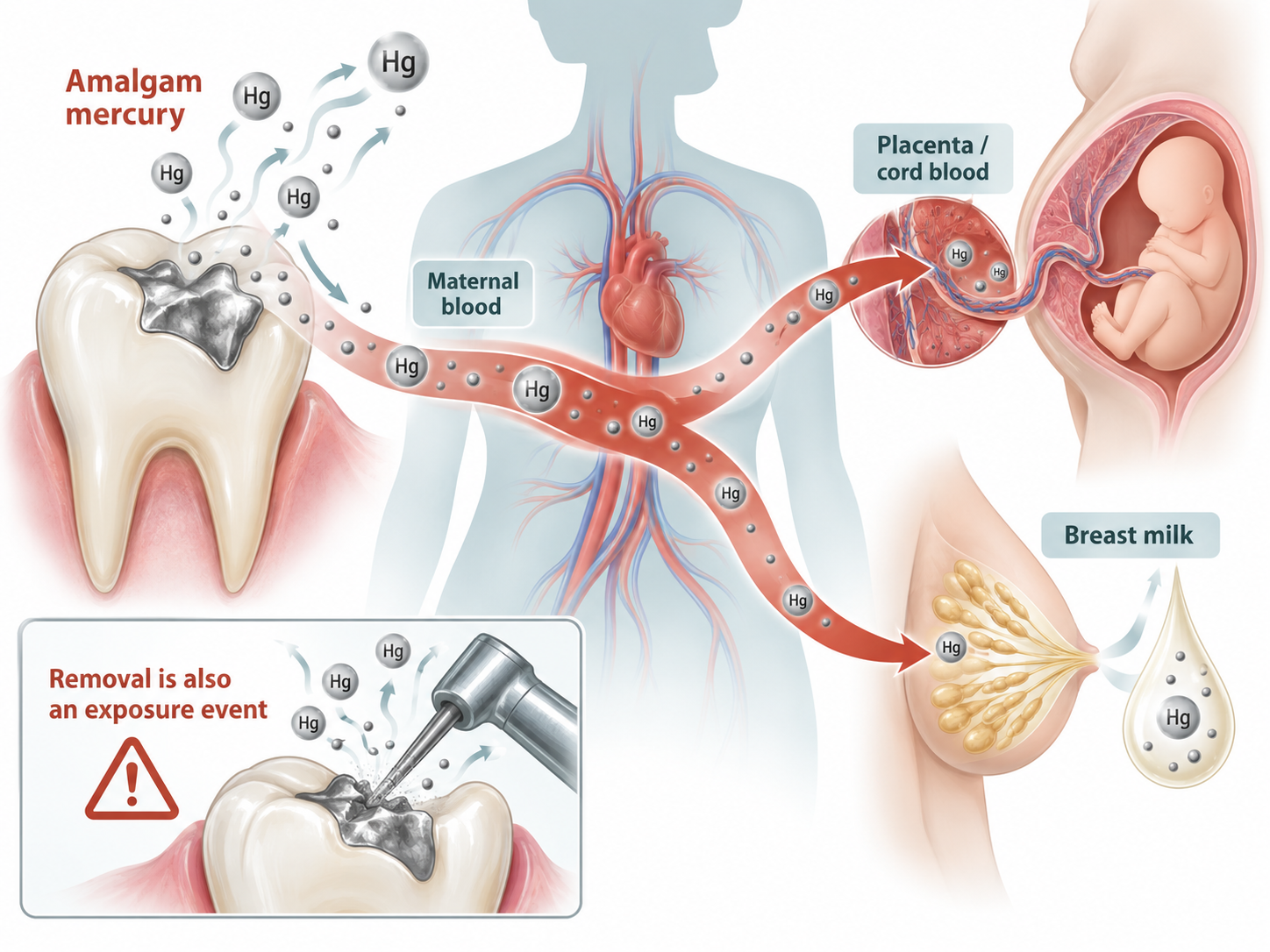
How mercury from amalgam crosses the placenta and enters breast milk, what cord blood and infant studies show, and why the placenta is no barrier to vapor.