Zirconia vs Titanium Implants: Why Ceramic Wins Long Term
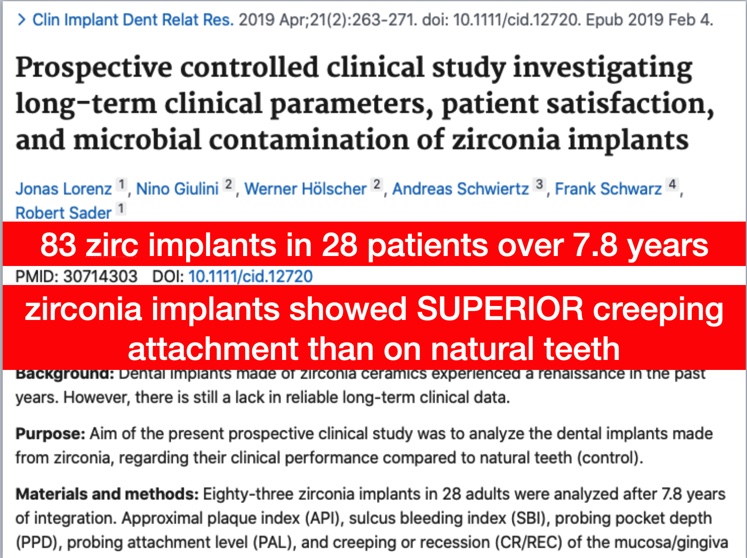
Why zirconia implants, one-piece systems like CeraRoot and SDS, show better long-term success and fewer immune reactions than titanium, and why to test first.
Resource Hub
Why zirconia implants, one-piece systems like CeraRoot and SDS, show better long-term success and fewer immune reactions than titanium, and why to test first.
How the body clears mercury, fluoride, BPA and PFAS after dental exposures, why variants like MTHFR make some more vulnerable, and who needs detox support.
How Dr. Teresa Scott grew a small online community into a 40,000-member movement, why she became a biological dentist, and why OraBiologics was built.
What biological dentistry is, what sets it apart from conventional care, including mercury-free fillings and biocompatibility testing, and what to ask.
Whether graphene oxide or mRNA can be in dental anesthetics like lidocaine, what the investigation actually found, and where nanotoxicology concerns apply.
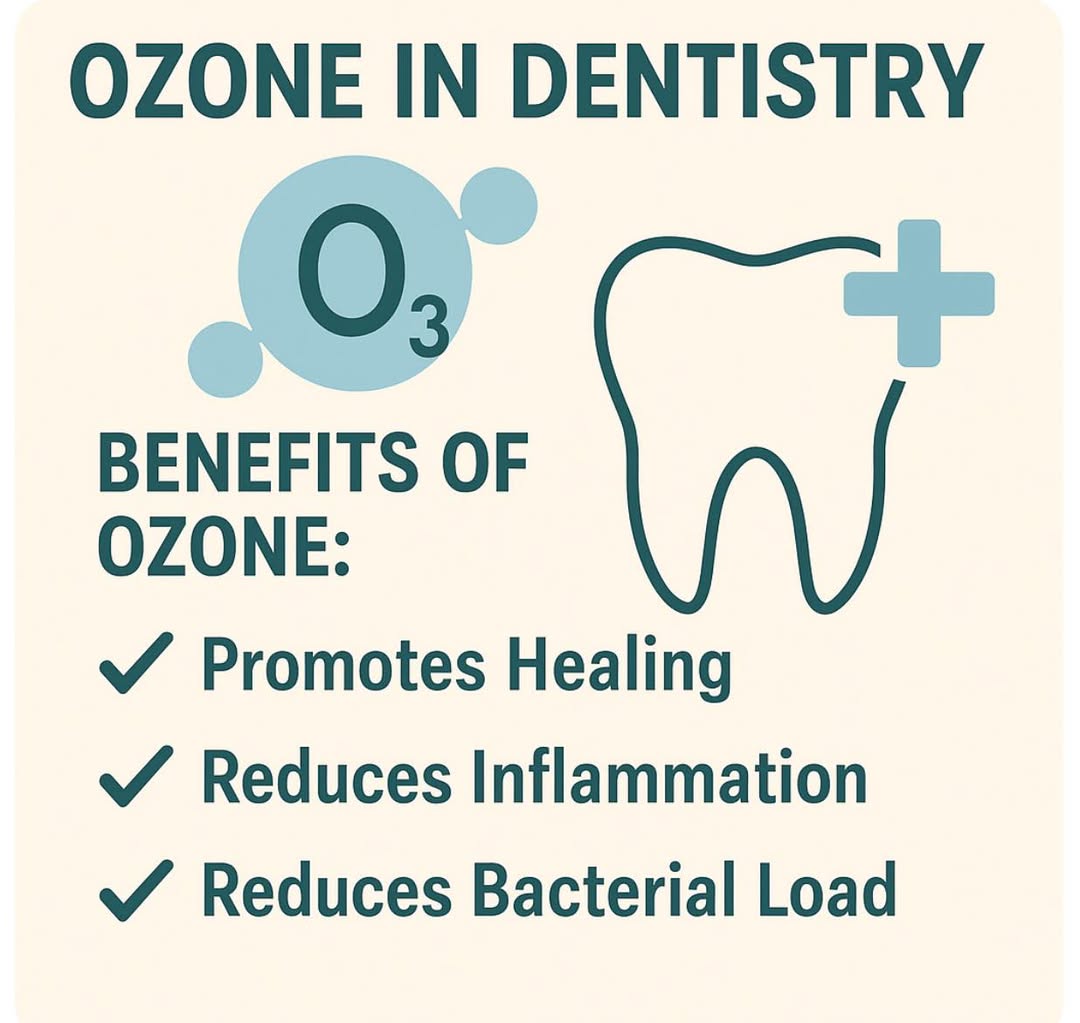
A curated set of peer-reviewed PubMed studies on ozone therapy in dentistry, covering bacterial reduction, wound healing, gum outcomes and its adjunct role.
Why periodontal disease returns after deep cleanings, why it is a chronic condition that is managed rather than cured, and why 90-day maintenance matters.
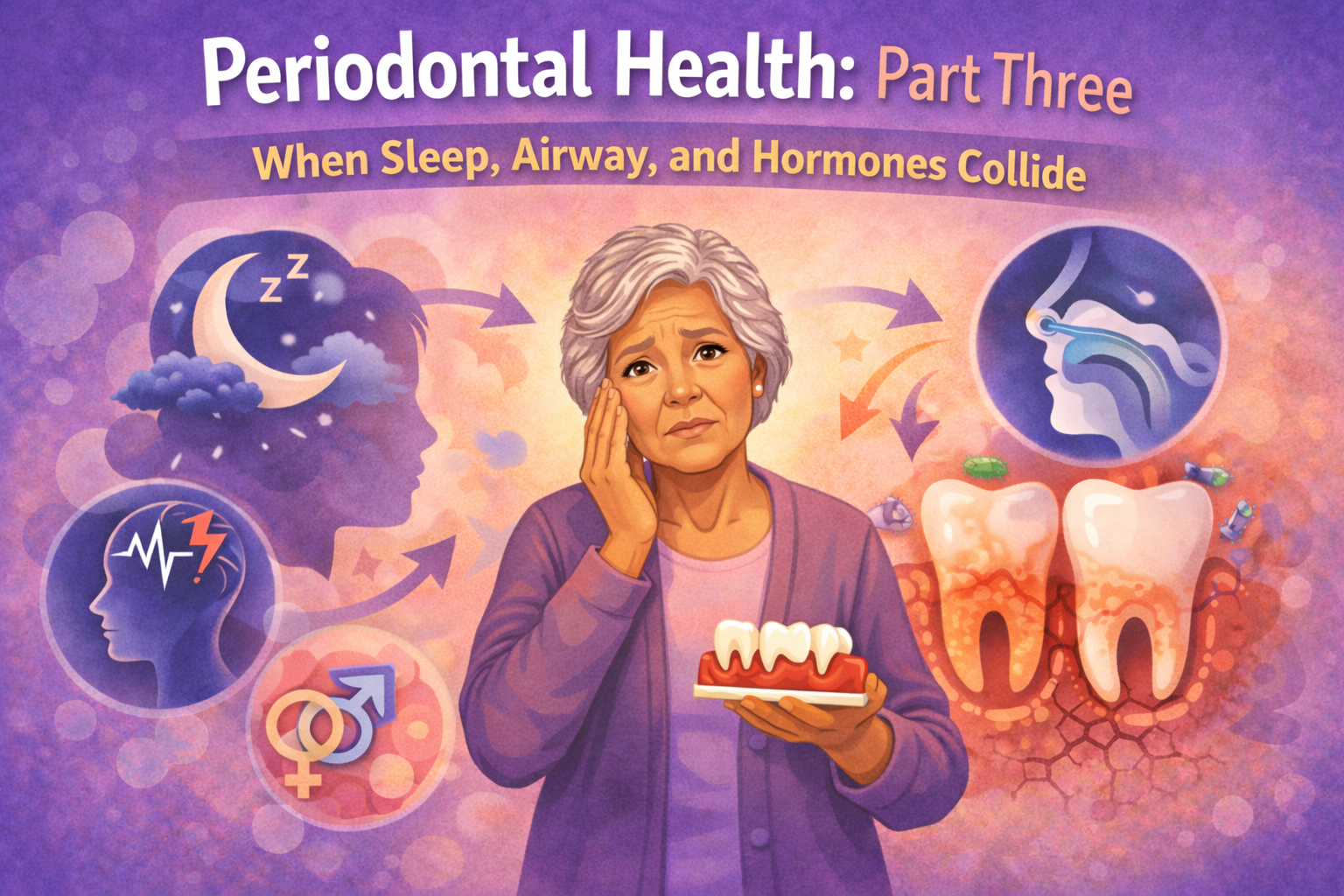
Why gum disease accelerates in menopause, how poor sleep, airway strain and estrogen loss strip the body's reserve, and why women deserve biology, not blame.
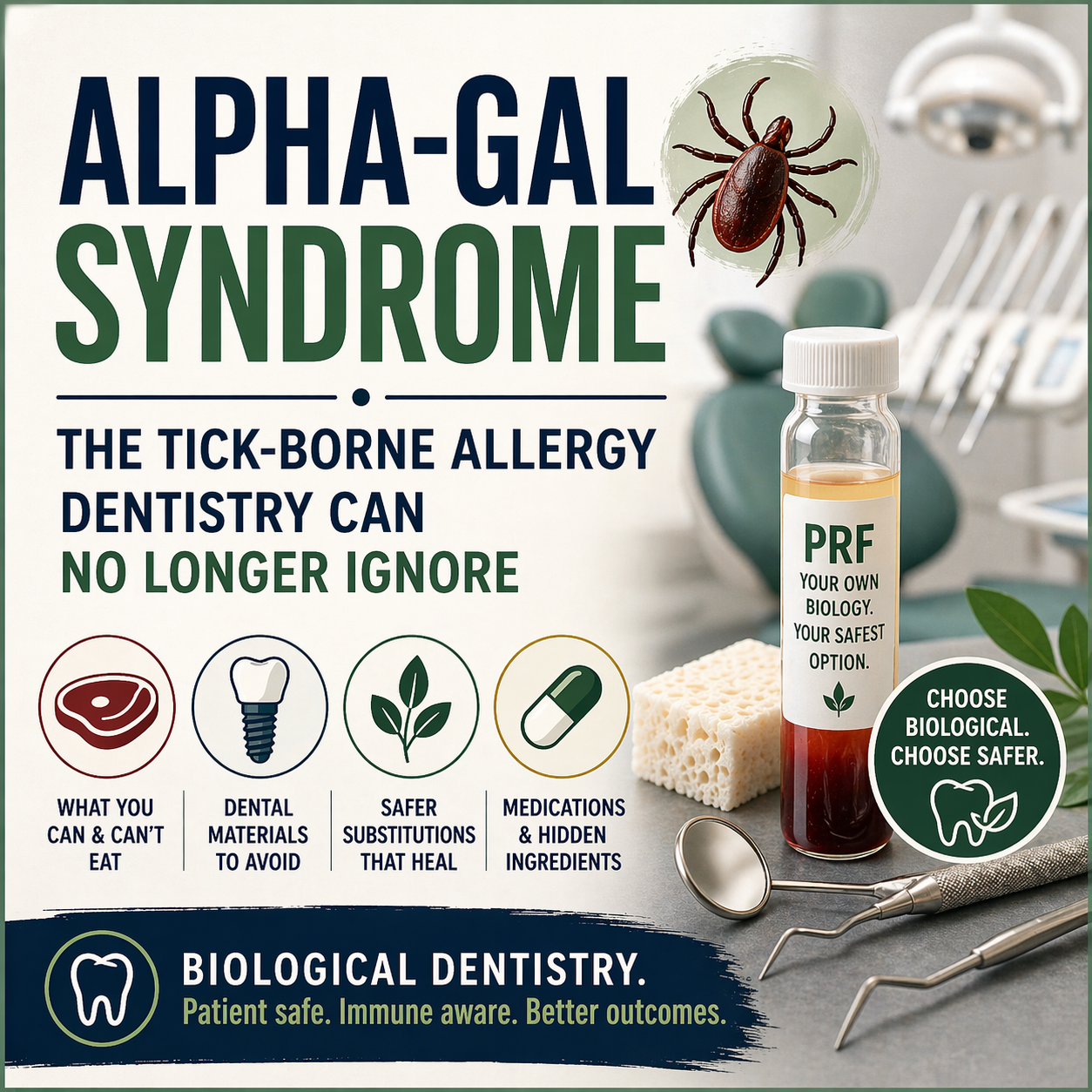
How alpha-gal syndrome, the tick-borne red meat allergy, affects dental care, from bone grafts and collagen membranes to gelatin capsules, and what to ask.
How mercury vapor from amalgam drilling lingers in dental office air, what OSHA calls a safe level, and why a vetted office protects you even without amalgam.
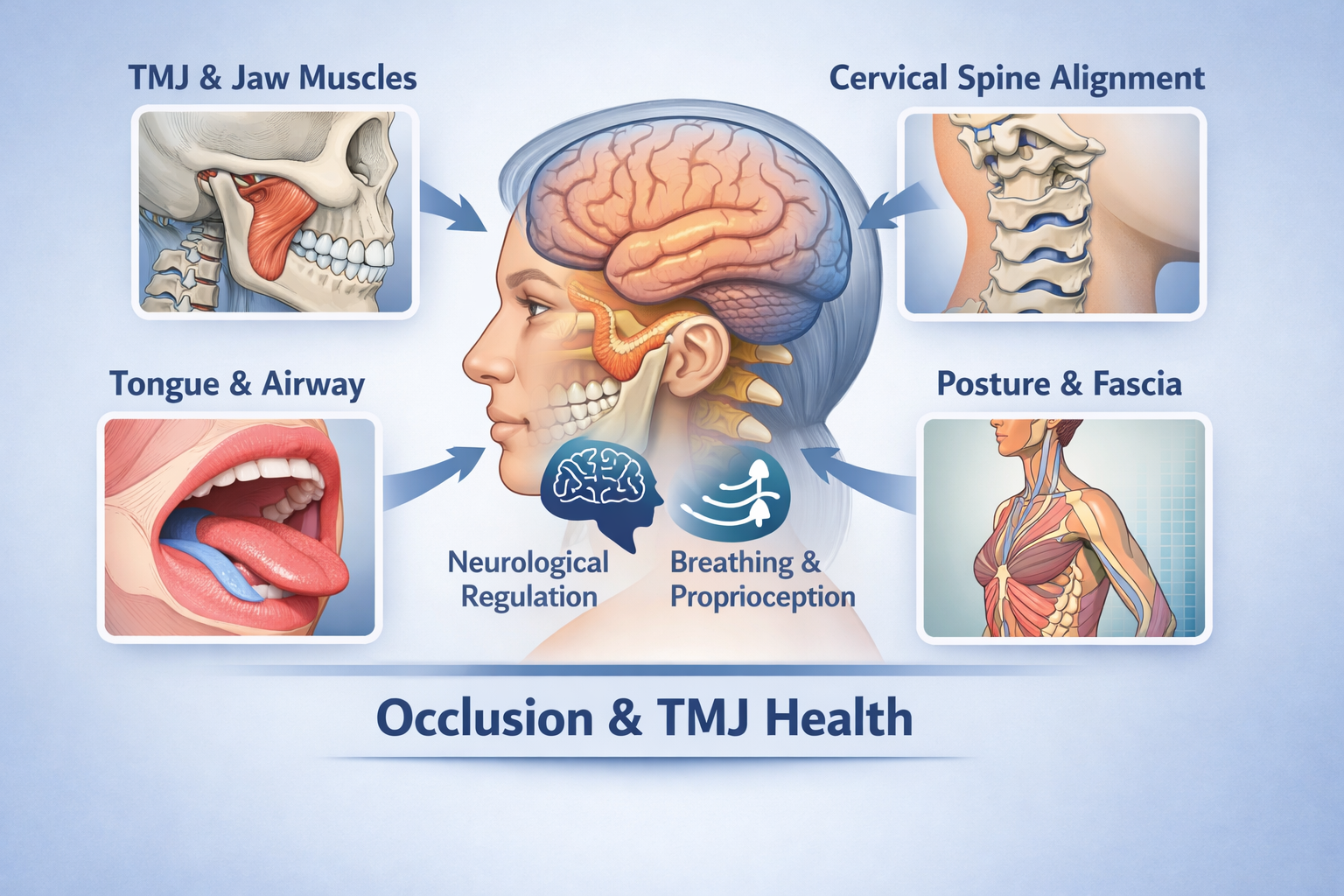
Why TMJ pain and neck pain travel together, how the upper cervical spine and cranial-sacral system shape your bite, and when integrative care helps.
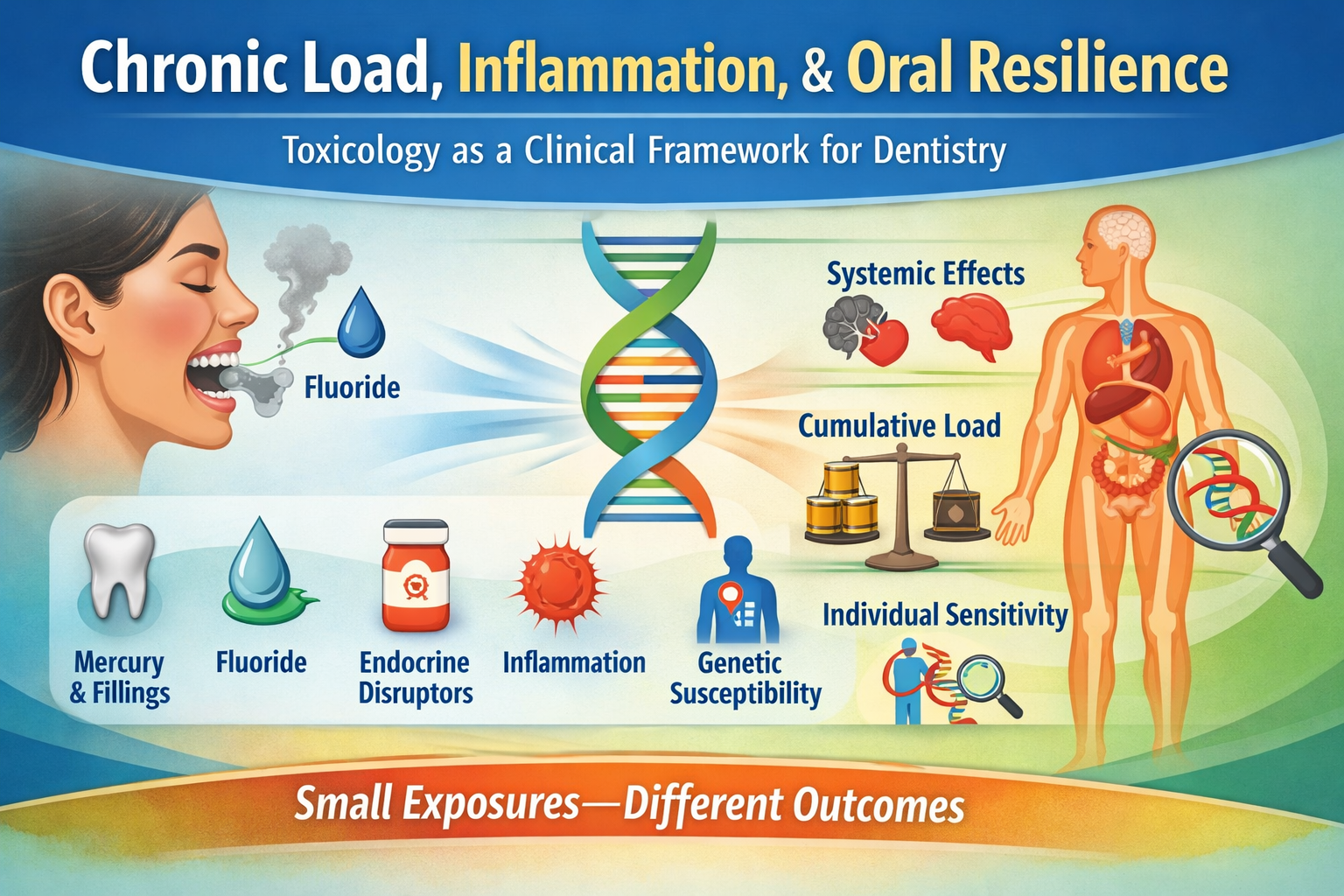
How dental toxicology weighs dose, timing and accumulated load from fluoride, mercury and BPA rather than one exposure, and why resilience shapes the risk.
The airway, facial growth and function principles to know before choosing a palatal expander for your child, and why provider philosophy beats any tool.
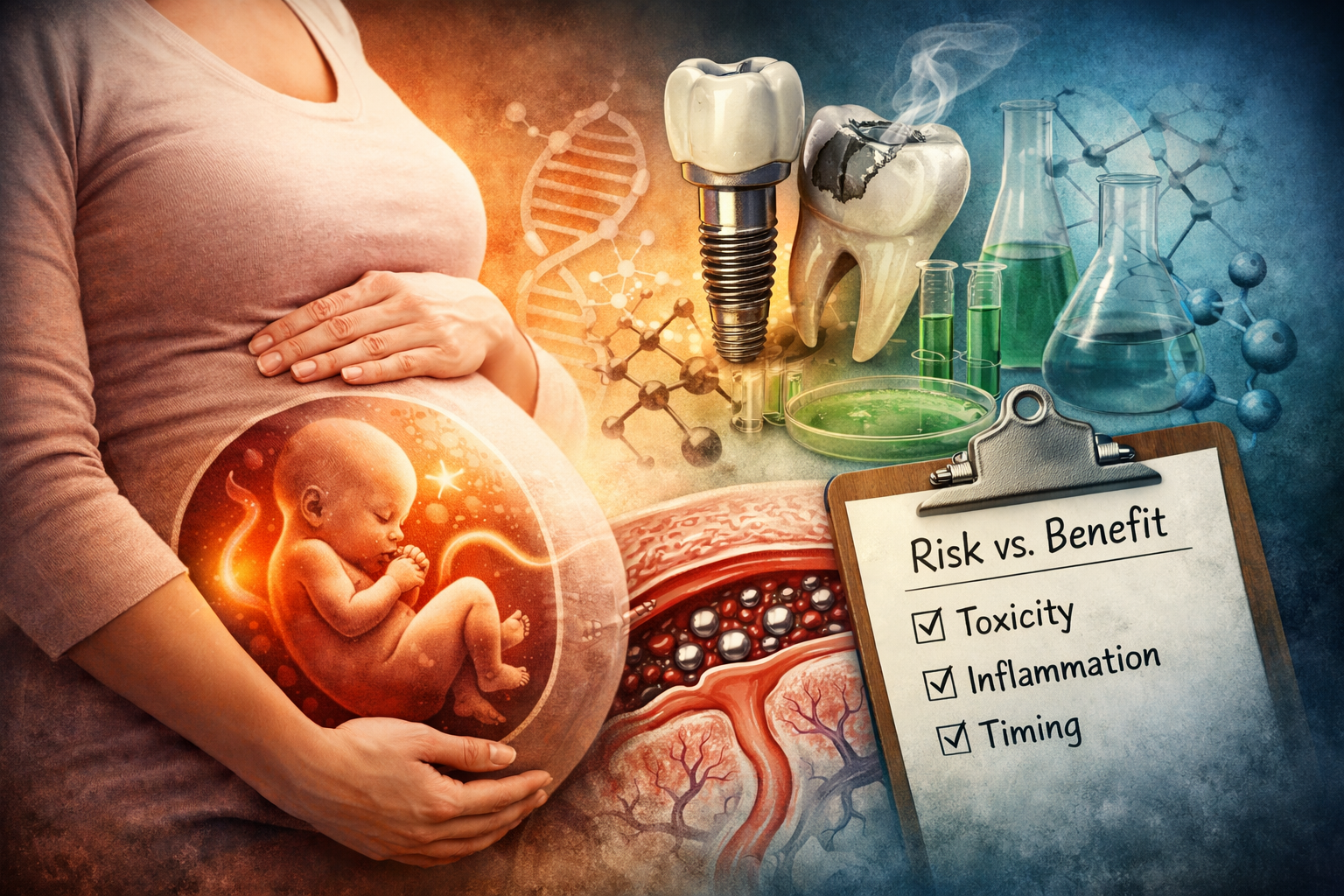
Why amalgam removal is avoided during pregnancy, which materials must be minimized and which can be managed, and why timing by trimester protects the baby.
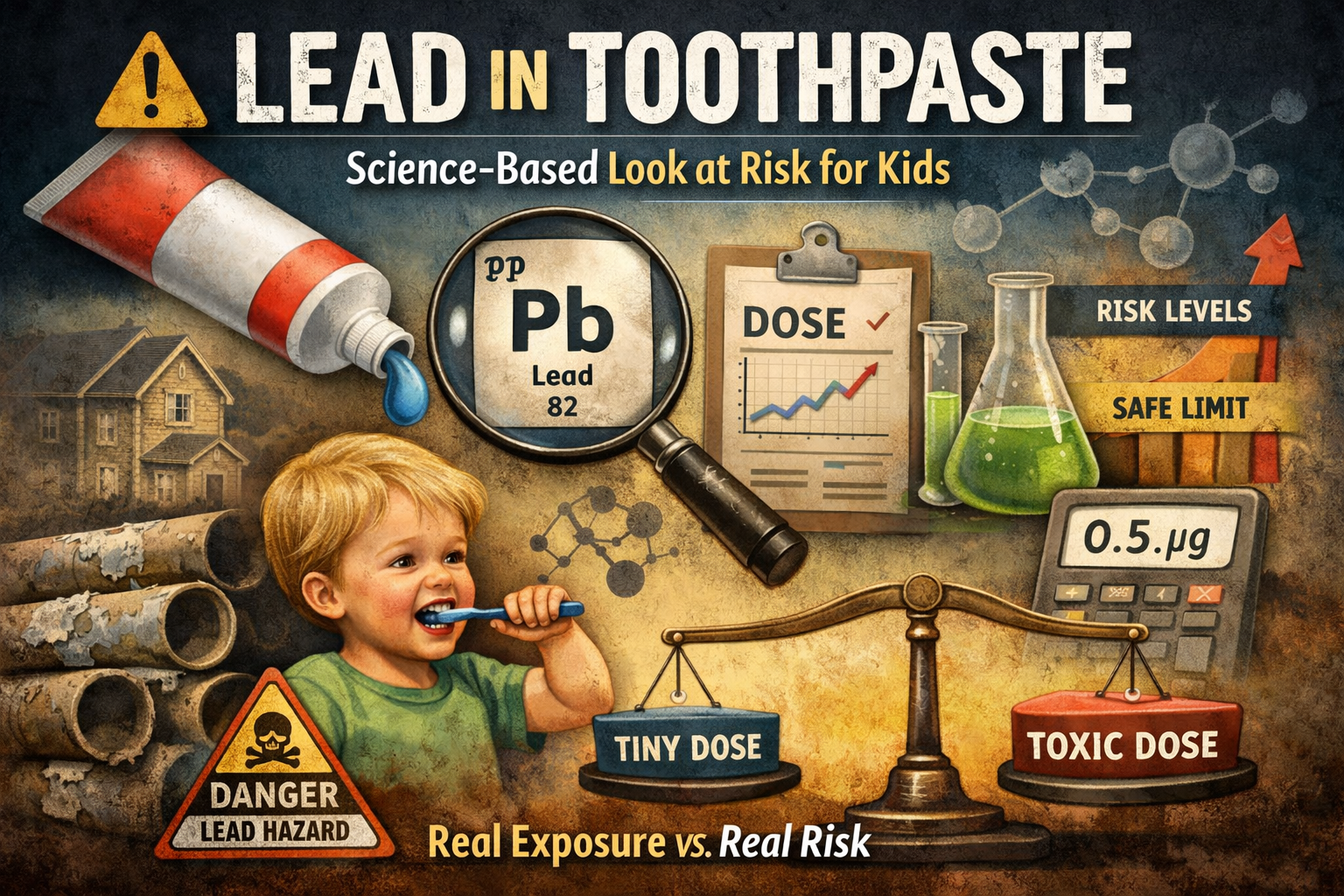
Whether lead in toothpaste and tooth powders is dangerous for children, how exposure, absorption and dose decide risk, and how it compares with lead in water.
Herbal, homeopathic and supplement options such as clove oil and oregano oil for dental pain and infection, and why none replace removing the infected source.