Resource Libraries
Graphene Oxide in Dental Anesthetic: What Research Found
Whether graphene oxide or mRNA can be in dental anesthetics like lidocaine, what the investigation actually found, and where nanotoxicology concerns apply.
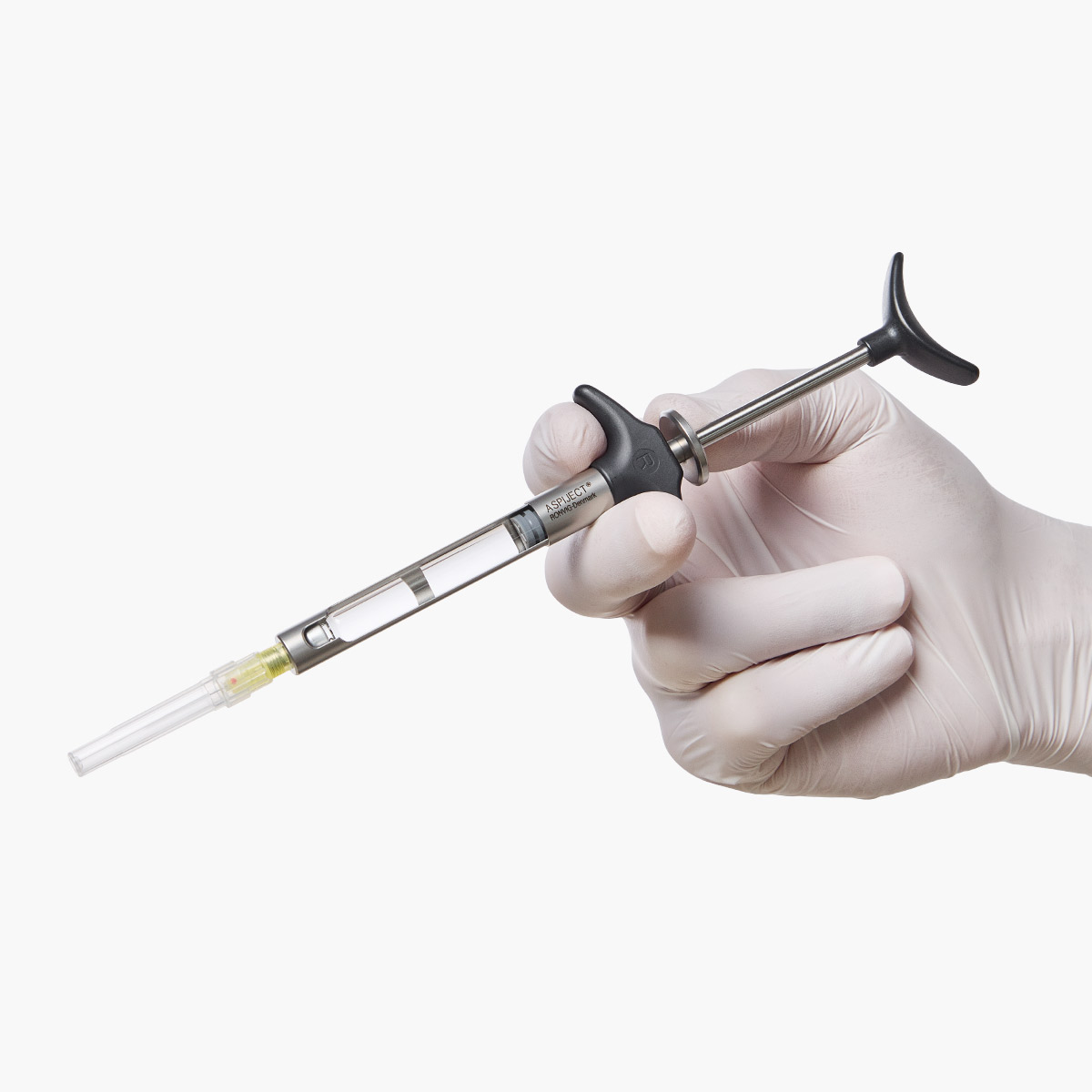
Dental Anesthetics, Graphene Oxide & mRNA: What the Science Actually Found
Independent laboratory investigations, legitimate toxicology concerns, and why frightening misinformation deserves a careful scientific response
I've been hearing some pretty frightening concerns from patients over the past several years. They're worried that the local anesthetics we use in dentistry might contain graphene oxide, mRNA, nanotechnology, or other undisclosed substances. Some have watched videos showing unusual structures under microscopes. Others have read statements from physicians who believe they've discovered self-assembling technology in dental anesthetic solutions.
And recently, I've had parents asking me to perform dental procedures on their CHILDREN without local anesthetic because they're terrified of what might be in those injections. That just bothers the tar out of me, to be honest. I WANT parents to ask questions! I want my patients to understand what we're putting into their bodies, what the risks are, and what alternatives may be available. I've practiced dentistry for more than 30 years, including approximately 15 years in biological dentistry. Questioning the biological effects of dental materials is a fundamental part of what I do.
But imagine being a parent who's been told that a dental anesthetic might contain microscopic technology capable of changing your child's biology. You're probably going to be scared. And if you believe that information, asking your dentist not to use the anesthetic might seem like the most protective decision you could make. I understand that reasoning.
But I also know what happens when a child experiences significant pain during dental treatment. We risk creating a traumatic experience that can affect that child's willingness to receive dental care for years to come. And it's not a hypothetical concern. The American Academy of Pediatric Dentistry recognizes that inadequate pain control can have significant physical and psychological consequences, including effects on future pain experiences. [1]. Parents shouldn't feel forced to choose between protecting their children from an alleged hidden ingredient and protecting them from unnecessary pain.
That's why I want to discuss the actual scientific investigations behind these allegations. Because fortunately, we have something much more useful than competing opinions. We have actual dental anesthetic samples that have undergone INDEPENDENT laboratory testing. We have investigations performed using established analytical techniques. And we have biological dentistry organizations that took these concerns seriously enough to investigate them.
We also have legitimate scientific research demonstrating that graphene oxide has been studied as an experimental anesthetic delivery system. And we have extensive toxicology research examining its biological effects. So let's look at what scientists have actually found.
What Is in a Dental Local Anesthetic?
When I numb a patient's tooth, I'm using a medication that temporarily interrupts the transmission of pain signals through nerves. Common dental anesthetics include lidocaine, articaine, mepivacaine, prilocaine, and bupivacaine. They work primarily by blocking sodium channels in nerve membranes. Those channels are necessary for transmitting the electrical signals that allow nerves to communicate. When they're blocked, pain signals can't travel normally. [2]
These medications aren't all identical. Some contain epinephrine, which constricts blood vessels, helps keep the anesthetic in the area where it's needed, and generally extends its effects. Others contain no epinephrine. Depending on the formulation, there may also be ingredients that adjust acidity, stabilize the solution, or protect epinephrine from degradation. The differences do matter.
For example, some formulations contain sulfites as antioxidants, which can be relevant to patients with documented sulfite sensitivity. Different anesthetics also have different metabolism, duration, and dose-related risks. We can learn a great deal about these medications from their prescribing information. But if you're concerned that a manufacturer might be concealing an ingredient, the manufacturer's own ingredient list isn't going to prove that something undisclosed isn't present.
That's a perfectly reasonable concern. And it's exactly why independent analytical testing is so important. Rather than asking consumers to accept assurances, we can investigate the actual material. Which brings us to the graphene oxide controversy.
Where Did the Claims Come From?
Beginning in 2023, claims circulated that dental local anesthetics contained graphene oxide and other forms of nanotechnology. Some of those claims were promoted by physician Dr. Ana Maria Mihalcea, who shared dark-field microscopy images and videos of dental anesthetic samples. She interpreted some of the structures as evidence of self-assembling nanotechnology. I can understand why the images attracted attention. They show unusual formations, and some appear to change over time.
But there's an important scientific distinction between seeing something under a microscope and determining what it is. Dark-field microscopy is a legitimate tool for visualizing small structures. It can help us observe particles and changes in their appearance. But identifying an unknown material's precise chemical composition generally requires additional analytical techniques.
Consider something as ordinary as salt. When saltwater evaporates, the dissolved salt becomes increasingly concentrated until crystals begin forming. Depending on the conditions, those crystals can develop surprisingly elaborate shapes. Other dissolved substances can behave similarly. An unusual microscopic structure isn't necessarily evidence of an engineered device. It may be a crystal, an aggregate of particles, a contaminant introduced during preparation, or something else entirely. To distinguish among those possibilities, researchers need appropriate reference materials, controls, and analytical methods. And that's where the laboratory investigations become really interesting.
What Did the Actual Laboratory Tests Find?
Biological dentist Dr. Jim Lundstrom coordinated testing of several commercially manufactured dental anesthetics, including Orabloc, Septocaine, and Carbocaine. These investigations involved independent laboratories and methods such as Raman spectroscopy, cryogenic transmission electron microscopy, electron microscopy, and targeted molecular testing. The results are available through his public collection of laboratory reports. [3]. Importantly, not every investigation produced the same result.
An early test reported graphene oxide
In July 2024, an Orabloc sample was examined at the University of Colorado Boulder using Raman microspectroscopy. The laboratory researcher reported findings interpreted as graphene oxide and expressed high confidence in that identification. That result is part of the scientific record. It deserves acknowledgment, because an unexpected laboratory finding is a legitimate reason to investigate further.
Raman spectroscopy examines how light interacts with a material. It can reveal features associated with different molecular structures. Graphene-family materials can produce recognizable Raman patterns. However, different carbon-containing materials can also produce overlapping spectral characteristics. And THAT is where my concern lies. It can make the identification of an unknown material more complicated than it initially appears.
Additional testing produced different findings
In August 2024, a Septocaine sample underwent cryogenic transmission electron microscopy through NanoImaging Services. The laboratory reported that it did not observe distinct lipid nanoparticles, carbon structures, or other nanoparticles in the sample examined. The report also described limitations involving very small particles and low concentrations.
Later Raman testing of Septocaine identified certain carbon-related spectral features, but the investigator could not conclusively identify the material as graphene oxide from that analysis alone. Further testing of Carbocaine in April 2025 also identified some carbon-related signals and tentative matches to environmental mineral materials, without establishing that the substance was graphene oxide.
It's important to recognize that these were different samples and sometimes different anesthetic products. They weren't all exact replications of the original test. Nevertheless, the findings demonstrate why additional analytical confirmation matters. These are the kinds of tests where you really do need hundreds or thousands of random samples from different labs to really get a good, consistent answer. But unfortunately, people accepted as gospel truth something that, at best, needed more investigation.
The original positive interpretation has not developed into consistent, independently reproducible evidence demonstrating graphene oxide in commercially manufactured dental anesthetics. And there's a particularly relevant scientific paper explaining why these kinds of analytical disagreements can occur.
Why Graphene Oxide Can Be Difficult to Identify
In February 2026, three researchers published an extensive review in Chemical Reviews titled: "A Critical Review to Avoid Common Misinterpretations in Characterizing Graphene Oxide." [4]. The authors, Ayrat Dimiev, Christian Halbig, and Alexandr Talyzin, examined common problems researchers encounter when identifying and characterizing graphene oxide. They discussed several analytical techniques, including Raman spectroscopy, infrared spectroscopy, X-ray photoelectron spectroscopy, and X-ray diffraction. Their findings are particularly relevant here.
The researchers explained that some commonly used analytical methods are frequently misinterpreted, even in published scientific research. Certain spectral patterns may be consistent with graphene-family materials without being sufficient to establish the exact chemical composition or structural characteristics of an unknown sample. And when a material is being evaluated at extremely small scales, sample preparation, contamination, instrument settings, and interpretation become especially important.
The review emphasizes the need for appropriate analytical methods and complementary evidence. This provides an important scientific explanation for why an initial laboratory interpretation may not be sufficient to establish the presence of graphene oxide. It also explains why subsequent testing and independent confirmation are necessary. When results are inconsistent or sampling is inadequate, that's a red flag.
The IABDM Took These Concerns Seriously Enough to Investigate Them
As these allegations spread, the International Academy of Biological Dentistry and Medicine (IABDM) began receiving questions from biological dentists and concerned patients. The organization pursued additional investigation rather than relying exclusively on manufacturer statements or the reports already circulating. According to IABDM executive director Dr. Dawn Ewing, dental anesthetic samples were collected from biological dentists in different geographic locations, who ordered their own local anesthetics from different companies, ensuring the most random distribution that could be found with that methodology, and the organization sought expertise in analytical chemistry and toxicology.
The resulting educational investigations examined the evidence supporting the graphene oxide allegations, the analytical methods being used, and whether the proposed substances had actually been identified. One of the central issues concerned the interpretation of microscopic images without adequate comparative standards. To identify an unknown material reliably, researchers need to know whether the observations could arise from the sample itself, the equipment, the preparation process, or the environment. Appropriate controls help distinguish those possibilities.
The IABDM also presented an educational program featuring Dr. Leisha Martin, PhD, a scientist specializing in biomedical nanomaterials and nanotoxicology.
What Dr. Leisha Martin Found
Dr. Martin's continuing education course, Toxicology of Anesthetics in Dentistry, addressed the pharmacology and safety of local anesthetics as well as the concerns about graphene-family nanomaterials. [5]. Her investigation included preliminary analytical work examining possible particulate material in dental anesthetic samples.
Small amounts of unidentified particulate material were observed in some samples. However, the analyses did not establish that these particles were graphene oxide, engineered nanotechnology, or nanobots, as the same particulate matter was found even in the distilled water control. Dr. Martin emphasized the importance of distinguishing the presence of particles from the identification of their chemical composition. She also discussed the analytical challenges of studying nanoparticles at extremely low concentrations, including the possibility of contamination introduced during sampling or preparation.
Her findings did not confirm the alleged presence of graphene oxide in the anesthetics examined. And importantly, the unidentified particles weren't simply assumed to be harmless or assigned a chemical identity without sufficient evidence. Further characterization would be required to determine exactly what they were. I appreciate this distinction because it reflects the purpose of scientific investigation.
When we identify something unexpected, we investigate it. We don't automatically assume that it's dangerous, and we don't automatically assume that it isn't. We determine what it is before drawing conclusions about its biological effects. For patients and dentists who want to explore Dr. Martin's complete findings, the IABDM offers her recorded continuing education course through its educational platform.
IABDM — Toxicology of Anesthetics in Dentistry
https://iabdm.org/product/toxicology-of-anesthetics-in-dentistry-video/
Additional IABDM Educational Review
Another presentation examined the claims using an analytical chemistry and pharmaceutical manufacturing perspective. The presenter reviewed the publicly available testing, explaining the importance of appropriate controls, reference standards, and confirmatory analysis when identifying unknown substances. The review also discussed pharmaceutical manufacturing safeguards and the distinct production processes used for different medications. The overall conclusion was that the reviewed evidence did not reliably establish the presence of graphene oxide or functional nanobots in commercial dental anesthetics. This public presentation is available here:
https://www.youtube.com/watch?v=Ejo2F-SVscs
What Does the IAOMT Say?
The International Academy of Oral Medicine and Toxicology (IAOMT) has also addressed the controversy. In February 2026, the organization published a statement acknowledging that some private investigations had reported what investigators believed was graphene oxide, while other laboratories had been unable to confirm those findings. [6]. The organization emphasized the need for independent, reproducible testing conducted by qualified laboratories. Its conclusion was that the available research was insufficient to establish either the universal presence or universal absence of graphene oxide in dental anesthetics.
That distinction is worth understanding. Testing specific samples can establish what was detected within the methods and detection limits used. It cannot automatically determine what is present in every cartridge manufactured everywhere. But the investigations conducted so far have not provided the consistent, reproducible evidence necessary to establish the broad allegations being circulated. And that's a meaningful finding for patients who are worried about receiving dental treatment.
What About mRNA? Has Anyone Actually Tested for It?
Yes. And this is another important part of the investigation. Messenger RNA, or mRNA, is a molecule that carries genetic instructions cells can use to make proteins. It's biologically different from the small chemical molecules used as local anesthetics. But simply explaining that difference doesn't answer the concern that someone might have added genetic material without disclosure. So investigators arranged molecular testing of actual dental anesthetic samples.
Dr. Lundstrom worked with Kevin McKernan of Medicinal Genomics to examine anesthetic products using molecular methods capable of detecting selected DNA and RNA sequences. These included quantitative PCR and reverse-transcription quantitative PCR. The public investigation records describe three relevant rounds of testing. [3]
September 2023 — Orabloc
A sample of articaine with epinephrine, manufacturing lot 230109, was tested for vaccine-associated genetic material. The laboratory reported no detectable vaccine-derived RNA or DNA.
August 2024 — Septocaine
Another articaine formulation, manufacturing lot D04530B, underwent testing for selected RNA, DNA, and microbial targets. The reported findings were negative for the targets examined.
February 2025 — Carbocaine
A sample of mepivacaine without epinephrine, manufacturing lot D04578G, underwent a panel of molecular tests, including assays targeting selected sequences associated with COVID-19 vaccine constructs. All the reported results were negative.
These investigations are particularly useful because the researchers weren't simply examining the appearance of a substance. They were looking for specific genetic sequences using methods designed to detect those targets. The results apply to the samples and assays tested; they don't constitute a universal survey of every anesthetic product or every conceivable RNA molecule. But they do provide direct experimental information about the allegations involving vaccine-associated genetic material.
And the reported molecular tests did not detect the targeted material in the anesthetic samples examined. That is considerably more informative than relying exclusively on assumptions about what a manufacturer might or might not disclose.
Graphene Oxide Really HAS Been Investigated as an Anesthetic Delivery System
Here's something I think is particularly interesting. In 2021, researchers Weifan Li, Guangqi Zhang, and Xiaoxia Wei published a paper titled: "Lidocaine-loaded reduced graphene oxide hydrogel for prolongation of effects of local anesthesia: In vitro and in vivo analyses." [7]
The researchers developed an experimental hydrogel containing lidocaine and reduced graphene oxide. Their goal was to create a material capable of releasing the anesthetic gradually, potentially extending the duration of pain relief. They used several analytical techniques to characterize the experimental formulation. Their results demonstrated prolonged lidocaine release over approximately ten hours. Animal experiments also supported a sustained anesthetic effect.
This is legitimate published scientific research. And it establishes something important. Researchers HAVE explored graphene-based materials as potential local-anesthetic delivery systems. But there's a critical difference between a technology being studied experimentally and that technology being present in an approved commercial product.
The researchers deliberately created a graphene-containing hydrogel. They weren't examining commercially manufactured dental anesthetic cartridges and discovering a previously undisclosed ingredient. The study demonstrates that such a delivery system can be developed. It doesn't establish that ordinary dental anesthetics contain graphene oxide. And that's why it's important to consider the actual purpose and methods of a research paper rather than relying only on its title.
Is Graphene Oxide Toxic?
Yes. Research has demonstrated that graphene oxide and related nanomaterials can produce toxic effects in biological systems. The people who seek biological dentistry are often specifically trying to reduce their exposure to substances that could contribute to inflammation, oxidative stress, cellular injury, or other unwanted biological effects. They don't want graphene oxide intentionally introduced into their bodies. And I respect that decision.
Fortunately, we have considerable scientific research examining the potential toxicity of graphene-family nanomaterials. In 2016, Ou and colleagues published an extensive review examining the biological effects of these materials in laboratory and animal studies. [8]. The researchers documented several mechanisms of toxicity, including:
-
Oxidative stress: Excessive production of reactive oxygen species that can damage cellular structures.
-
Mitochondrial dysfunction: Interference with the cellular systems responsible for producing energy.
-
Cell membrane damage: Physical and chemical interactions that can compromise cell integrity.
-
DNA damage: Changes that can interfere with normal genetic function and cellular health.
-
Inflammation: Activation of inflammatory signaling pathways and immune responses.
-
Cell death: Activation of processes including apoptosis and necrosis.
These effects have been documented in published laboratory and animal research, providing scientific evidence of the potential biological toxicity of graphene-family nanomaterials. [8]
In 2019, Li and colleagues compared six different graphene derivatives in laboratory and animal experiments. [9]. They found that graphene oxide and certain other derivatives could damage cell membranes, increase oxidative stress, stimulate inflammatory responses, and activate pathways associated with cell death. The degree of toxicity varied depending on the characteristics of the material, the concentration, and the duration of exposure. [9]
A 2015 study by Zhang and colleagues provides another particularly interesting finding. [10]. The researchers examined graphene oxide preparations with different degrees of oxidation and found that the less-oxidized materials produced greater oxidative stress and cellular toxicity under the conditions studied. At higher tested concentrations, the materials caused significant damage to mouse embryonic fibroblast cells, while lower concentrations were better tolerated. [10]
These differences matter scientifically because graphene oxide isn't a single standardized material. Manufacturing methods, particle dimensions, surface chemistry, and chemical modifications can change how it interacts with biological tissues. But here's my perspective as a biological dentist. The fact that researchers may eventually develop a graphene-based formulation with an acceptable safety profile doesn't mean my patients are obligated to accept exposure to it. Nor am I obligated to use it on my patients!
And the absence of definitive human toxicity data for every particular graphene formulation isn't proof of safety, either. If researchers want to develop graphene-based injectable medications, they need to establish the safety of those specific formulations through appropriate testing. That includes understanding where the materials travel in the body, how they're metabolized or eliminated, and whether repeated or prolonged exposure produces adverse effects.
Until those questions are adequately answered, I believe a precautionary approach is reasonable. But that brings us back to the original concern. Are patients actually being exposed to graphene oxide when they receive ordinary dental local anesthetics? That's an entirely separate scientific question.
The laboratory investigations we've discussed have not produced reproducible confirmation that graphene oxide is present in commonly used commercial dental anesthetics.
I don't want my patients exposed to graphene oxide without their knowledge or consent. I also don't want them frightened away from appropriate pain control because of allegations that haven't been substantiated. We can respect the legitimate toxicological concerns, support a patient's decision to avoid graphene-based materials, and recognize that the current evidence doesn't establish their presence in standard dental anesthetic cartridges. Those positions are completely compatible. And that's what I want patients to understand.
What About Exparel and Other Long-Acting Anesthetics?
Some of the graphene oxide discussion has become mixed together with concerns about extended-release anesthetics. Exparel is a long-acting formulation of bupivacaine intended to provide postoperative pain relief. Its drug-delivery system uses multivesicular liposomes, microscopic structures made from lipids. The formulation and manufacturing specifications described in its prescribing information establish that the documented delivery system is lipid-based. [11]
This is different from the experimental reduced-graphene-oxide hydrogel described in the 2021 paper. Exparel is not documented as a graphene-based product.
My personal decision not to use Exparel at all comes from a different consideration. I want to know whether the medication provides enough additional clinical benefit to justify its use for a particular patient and procedure. A 2026 systematic review and meta-analysis examined liposomal bupivacaine following wisdom tooth removal. [12]. The researchers included four studies involving 858 participants.
They found no statistically significant overall improvement in postoperative pain intensity compared with the comparison treatments. Although opioid consumption at 48 hours was statistically lower, the average reduction was considered clinically negligible. These findings don't establish that the medication has no value in any situation. But they do raise reasonable questions about whether it offers meaningful benefits over conventional approaches in routine third-molar surgery. It's kind of like the fluoride question in our article addressing fluoride toxicity - fluoride hasn't actually offered a benefit that was greater than the risks involved.
In my own practice, I emphasize careful surgical techniques, individualized postoperative pain management, and regenerative approaches such as platelet-rich fibrin, or PRF, when appropriate. PRF is prepared from a patient's own blood and contains components involved in wound healing. A 2024 systematic review and meta-analysis of 33 randomized trials found that PRF was associated with improvements in several postoperative outcomes after lower wisdom tooth removal, including pain, swelling, and dry socket. [13]
That research supports the potential value of PRF as part of surgical care, although it doesn't establish that PRF and long-acting anesthetics are interchangeable. My preference is to use established local-anesthetic techniques along with PRF and grafting and an individualized plan that supports healing and minimizes unnecessary discomfort.
What Are the Legitimate Safety Considerations With Dental Anesthetics?
This is another important part of the conversation. Local anesthetics are medications, and like all medications, they have potential adverse effects. The most appropriate choice depends on several factors, including the patient's age, body weight, medical history, medications, and the procedure being performed.
Dose-related systemic toxicity is a genuine concern. If excessive anesthetic enters the bloodstream, or if a medication is inadvertently injected into a blood vessel, patients can develop neurological or cardiovascular complications. Different formulations also carry different risks. For example,
- prilocaine and benzocaine can contribute to methemoglobinemia, a condition that interferes with the blood's ability to carry oxygen.
- Certain epinephrine-containing formulations contain sulfite antioxidants, which may be relevant to patients with documented sensitivity.
- The use of vasoconstrictors also needs to be individualized for patients with certain cardiovascular conditions or medication interactions.
These are established considerations worth discussing with your dentist. And they are considerably more actionable than an allegation that hasn't been confirmed through appropriate testing.
Why I use plain anesthetic first
In my own practice, I frequently begin with a plain local anesthetic and then reinforce it with an anesthetic containing epinephrine at a concentration of 1:200,000. That approach allows me to individualize the patient's anesthesia and limit epinephrine exposure. Epinephrine can be beneficial because it slows the absorption of the anesthetic into the bloodstream and helps prolong its effects. But it isn't necessary in every formulation or every situation. And an anesthetic without epinephrine isn't automatically safer for every patient. In some cases, the vasoconstrictor actually reduces the rate at which the anesthetic enters the circulation.
The important consideration is selecting the appropriate drug and dose for the individual. We aren't cookie cutters. That's the kind of informed decision-making I want my patients to be involved in.
What If a Parent Is Still Uncomfortable With Local Anesthetic?
I understand that some parents may still feel uncomfortable with dental local anesthetics, even after reviewing the scientific investigations. I absolutely respect their right to ask questions, request additional information, and make informed decisions about their child's healthcare. But if a child needs a dental procedure that requires local anesthesia, I will not perform that procedure without it. Period. You can't pay me enough to torture a child. PERIOD. I've spent more than 30 years caring for patients, and I've seen the lasting effects that painful or frightening dental experiences can have.
Account required
Sign in to see more
Create an account or sign in to unlock the full list.