Resource Libraries
Orthodontist Wants to Pull My Child's Teeth: What to Do
What to do when an orthodontist wants to pull your child's teeth for crowding, why extraction can shrink the airway, and why to ask about expansion first.
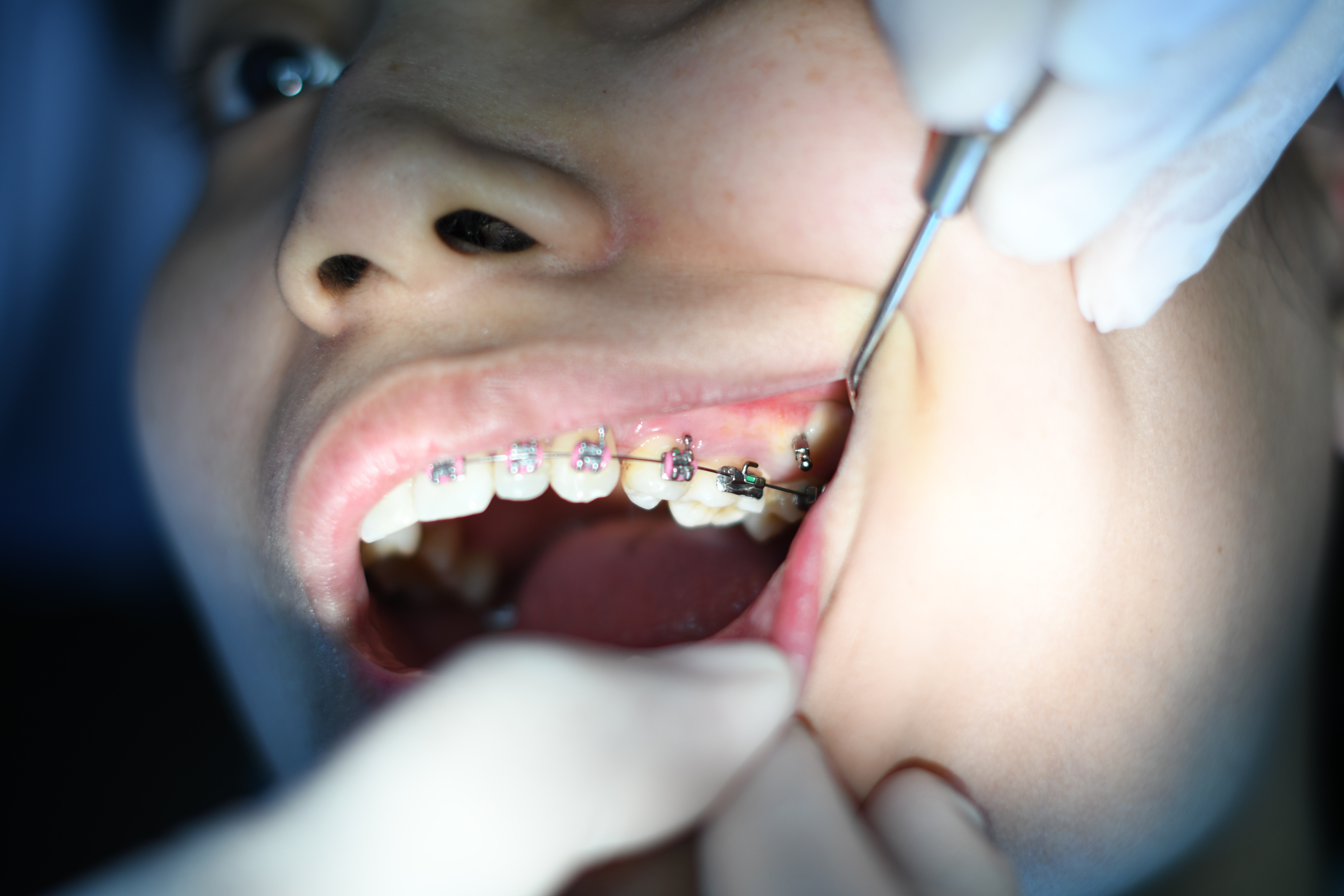
My Orthodontist Says My Child Needs Teeth Pulled. What Should I Do?
The answer depends on several factors, but the first question to ask is surprisingly simple:
Are they talking about baby teeth or adult teeth?
This distinction matters.
Sometimes orthodontists remove baby teeth to help adult teeth come in more easily.
Normally, as a permanent tooth develops underneath, it slowly dissolves the root of the baby tooth. The baby tooth loosens, falls out, and the adult tooth erupts into place.
But when the jaws aren’t growing with enough space, crowding can start early. The adult tooth may begin developing out of position — sometimes appearing as a second row behind the baby tooth or becoming entirely blocked out by a baby tooth that still has a full root.
In these situations, removing the baby tooth can create an open pathway so the permanent tooth can come into position more easily.
When this is recommended, it should usually be part of a larger orthodontic plan — often alongside treatments that support jaw development, such as expansion. Removing the baby tooth alone rarely solves the underlying space issue.
When the recommendation is to remove adult teeth
If the recommendation involves permanent teeth, it’s important to understand the reasoning.
For many years, orthodontic treatment often focused on making the teeth fit within the existing size of the jaw. If there wasn’t enough room, removing a few teeth allowed the remaining teeth to line up properly.
This approach is sometimes called retraction orthodontics — reducing the number of teeth and bringing the remaining teeth closer together so everything fits within the available space. The goal is often to avoid pushing teeth outside the supporting bone, which could increase the risk of gum recession or bone loss.
Today, some providers approach the problem differently.
Instead of asking: “How can we make the teeth fit the jaw?”
They ask: “How can we help the jaw grow large enough to fit the teeth?”
This approach may involve expansion, which focuses on creating more space by supporting jaw development rather than removing teeth.
Expansion isn’t appropriate for every child, but it can be very helpful while children are still growing. Some expansion options may also be available later in life.
(For more information, see my article: “Understanding Expanders and Airway Appliances.”)
What does research say about extractions and airway health?
You may see claims online suggesting that removing teeth causes breathing problems later in life. This topic is still debated within dentistry.
As of 2026, the American Association of Orthodontists states that there is not enough evidence to prove that orthodontic extractions directly cause airway obstruction.
In other words, current research has not shown that removing teeth alone causes breathing problems.
While we cannot say extractions themselves cause conditions like sleep apnea, when extractions are recommended it often reflects a situation where the jaws have not developed large enough to fit all the teeth. This raises an important question: what else might be affected when the jaw bones themselves are smaller than expected?
Research is ongoing to better understand the role dentistry may play in preventing or helping manage breathing problems, either alone or as part of a broader treatment approach.
Jaw development and breathing
The jaws do more than hold teeth — they also form the structure around the nose, nasal passages, and upper airway.
Researchers have noticed that many children today develop narrower upper jaws than previous generations. Modern lifestyle factors such as diet, oral habits, and breathing patterns may contribute to this shift.
Account required
Sign in to see more
Create an account or sign in to unlock the full list.