How to Brush Toddler Teeth When They Refuse
How to brush a toddler's teeth when they refuse, including the knee-to-knee position, sensory strategies for neurodivergent toddlers, and how to keep it calm.
Resource Library
How to brush a toddler's teeth when they refuse, including the knee-to-knee position, sensory strategies for neurodivergent toddlers, and how to keep it calm.
What research says on fluoride and health, including the 2024 NTP review linking exposure to lower IQ in children, thyroid disruption and skeletal fluorosis.
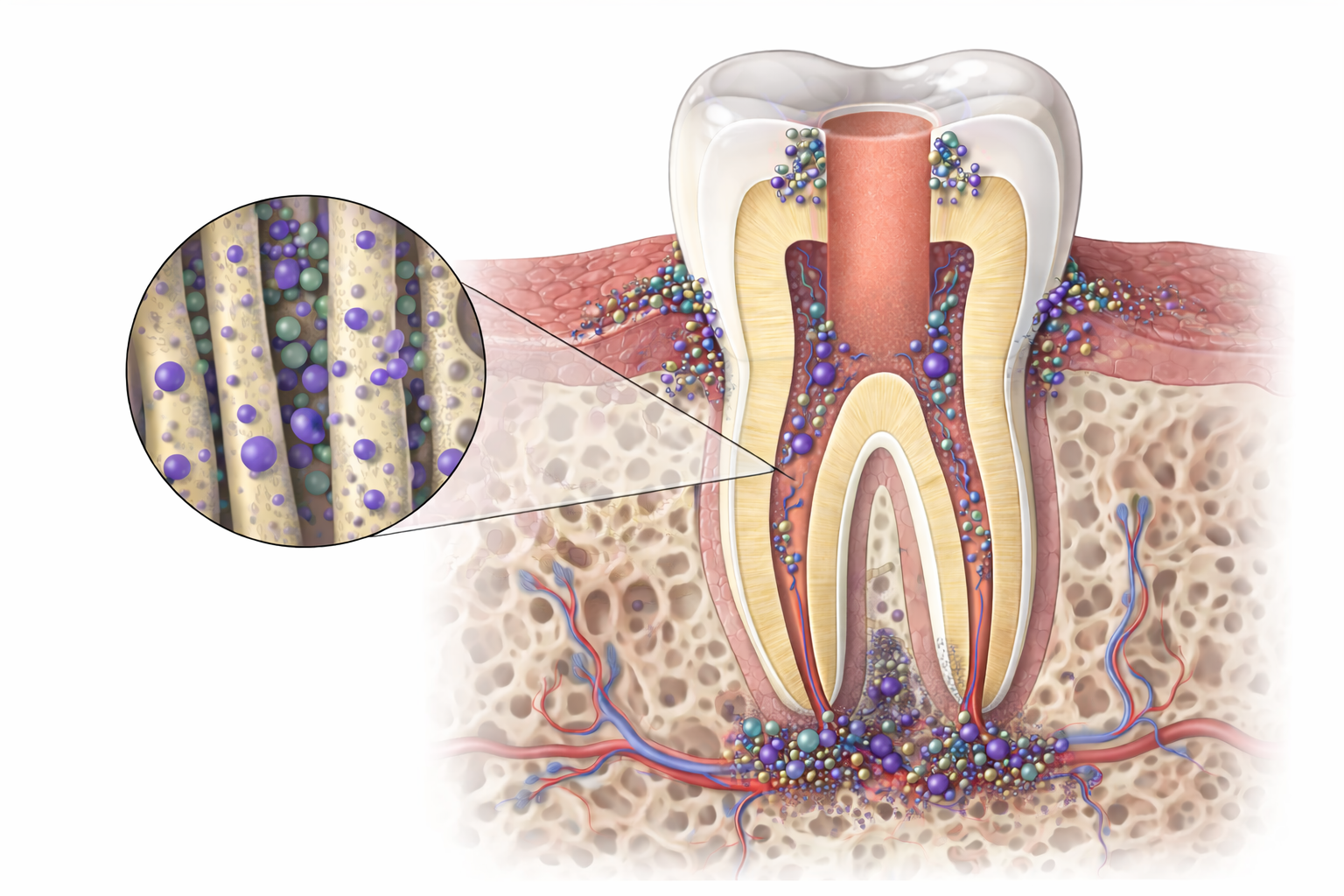
What MTA (mineral trioxide aggregate) does inside a root canal, why it heals bone better than older sealers, and why local healing is not systemic safety.
Answers to common root canal questions, why a root canal tooth can never be biologically equal to a living tooth, and dozens of peer-reviewed studies.
How the body clears mercury, fluoride, BPA and PFAS after dental exposures, why variants like MTHFR make some more vulnerable, and who needs detox support.
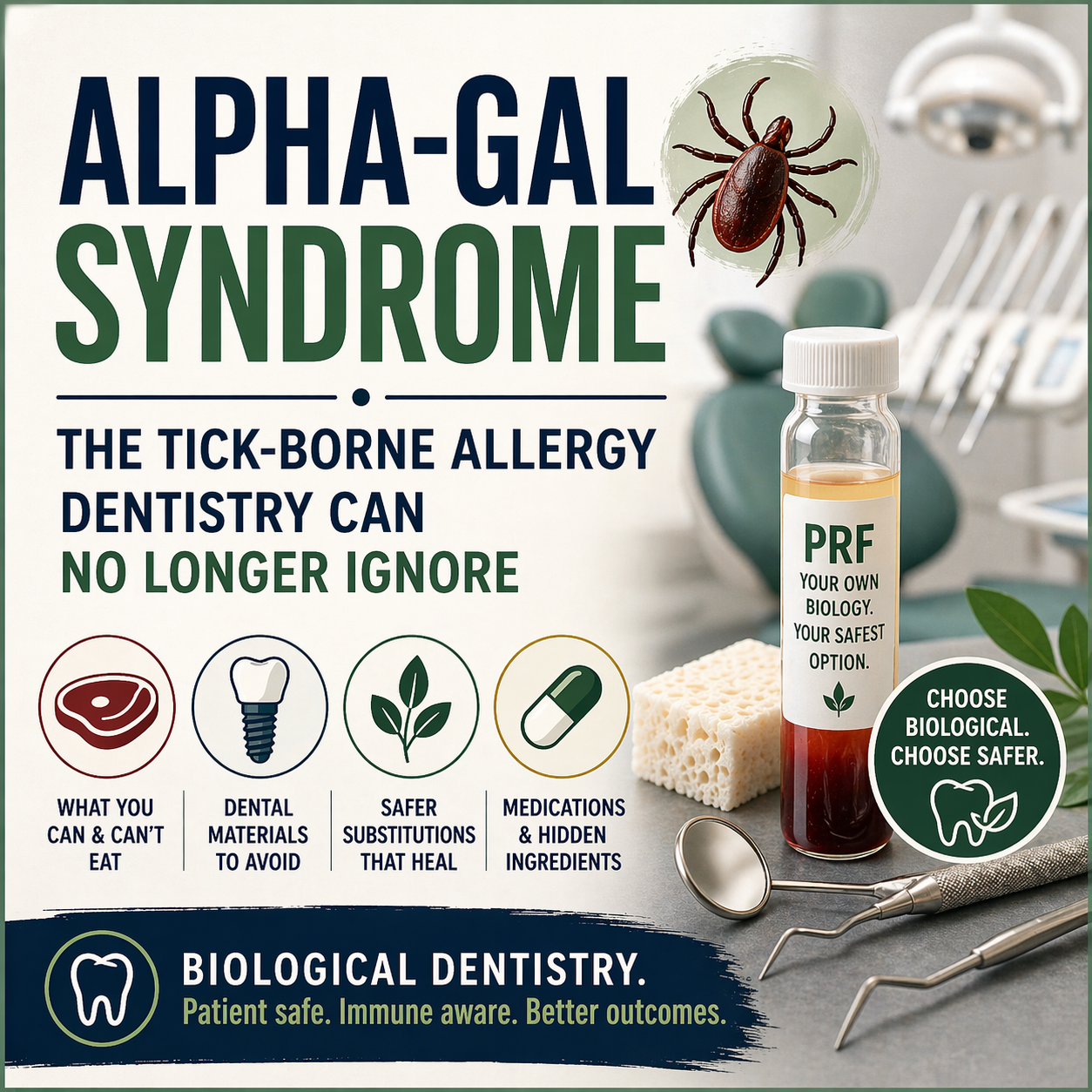
How alpha-gal syndrome, the tick-borne red meat allergy, affects dental care, from bone grafts and collagen membranes to gelatin capsules, and what to ask.
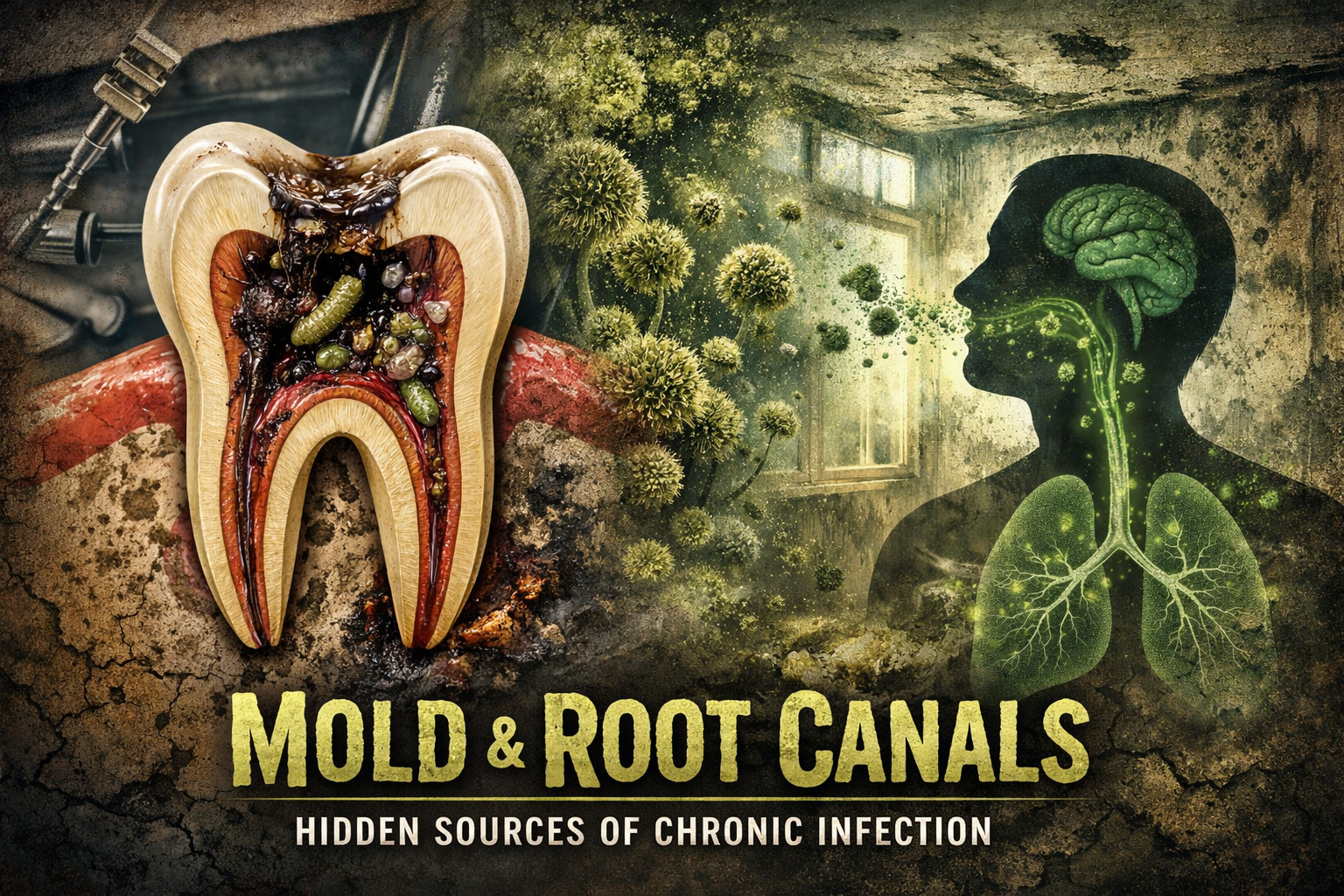
Why mold illness symptoms and mycotoxin labs plateau after remediation, how root canal teeth with no blood supply harbor fungi, and what to evaluate next.
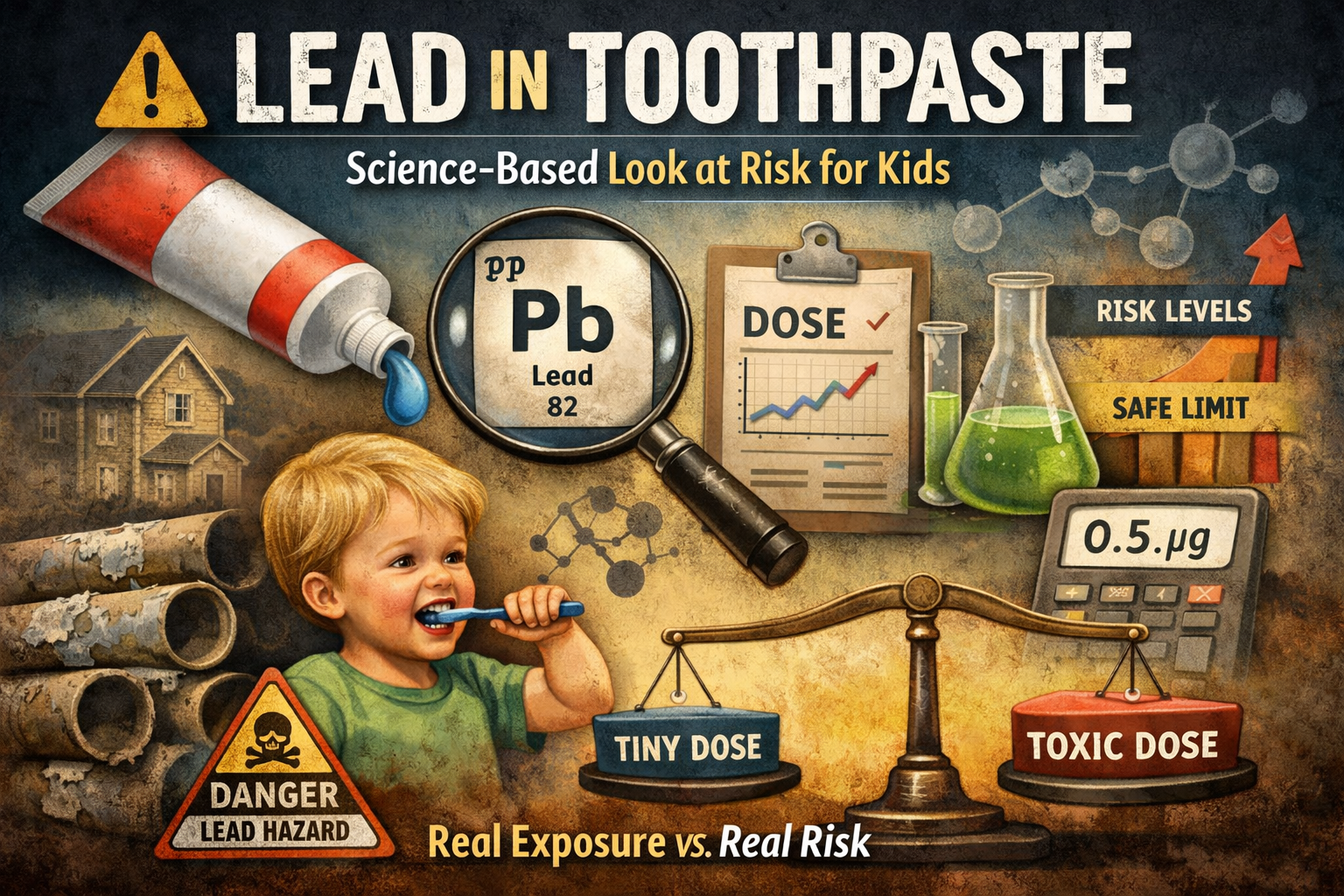
Whether lead in toothpaste and tooth powders is dangerous for children, how exposure, absorption and dose decide risk, and how it compares with lead in water.
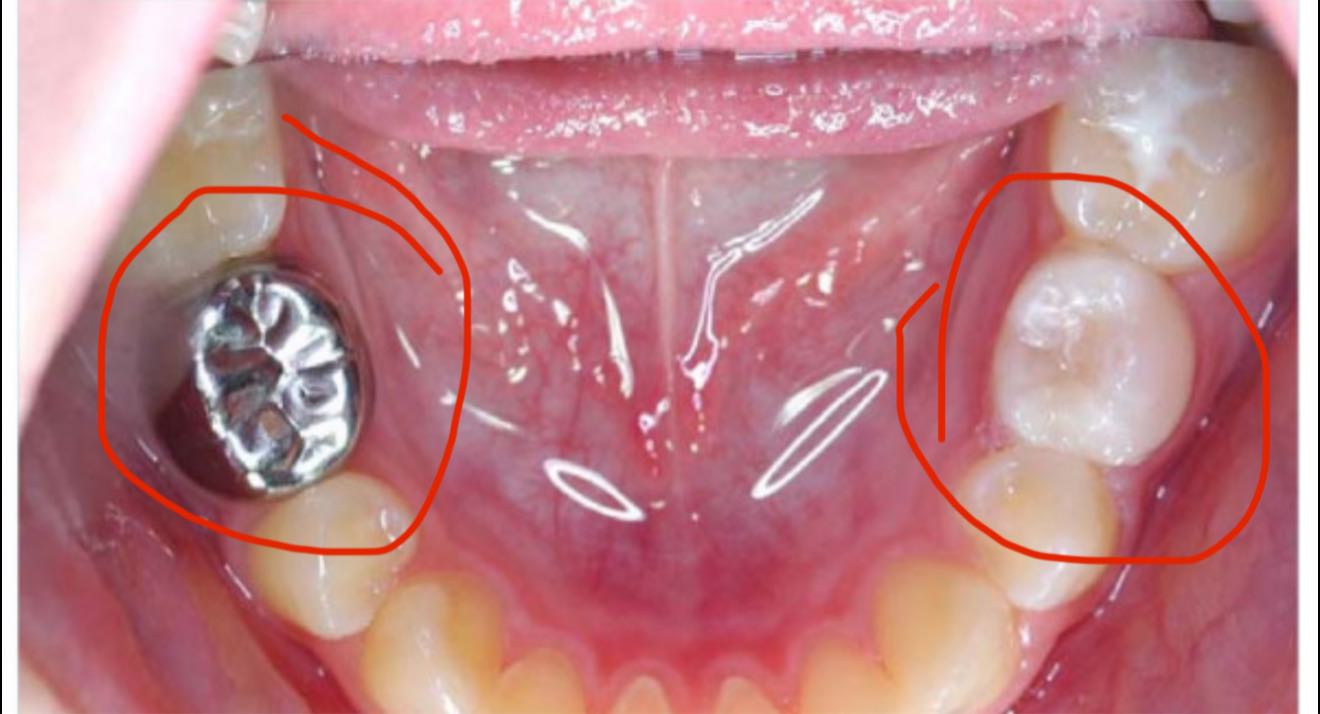
Why baby teeth need crowns, how stainless steel crowns with nickel compare with metal-free zirconia, and how airway, ties and biocompatibility shape outcomes.
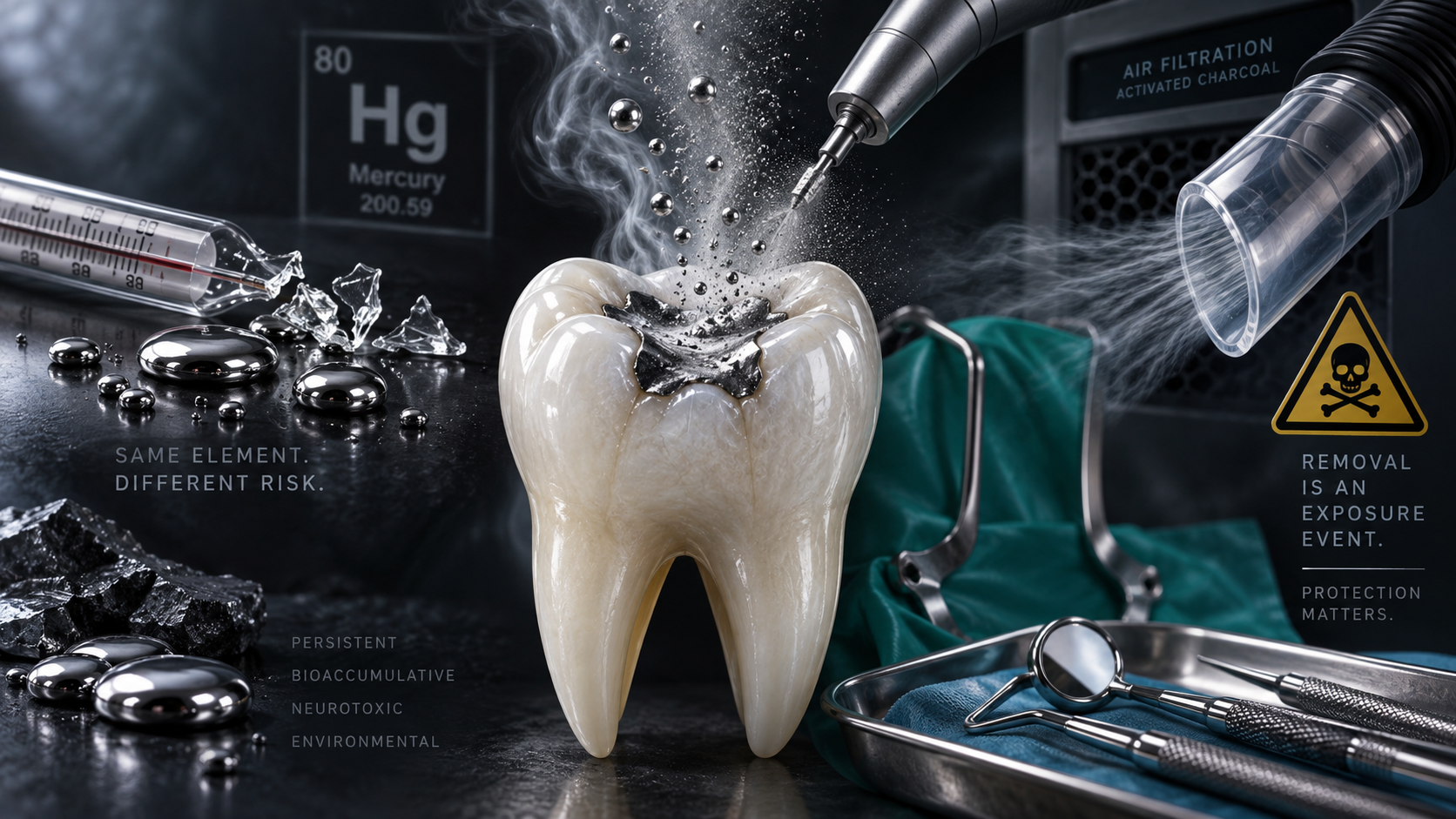
Whether mercury in amalgam fillings is dangerous, how much vapor a filling releases each day, and why the removal method matters as much as the decision.
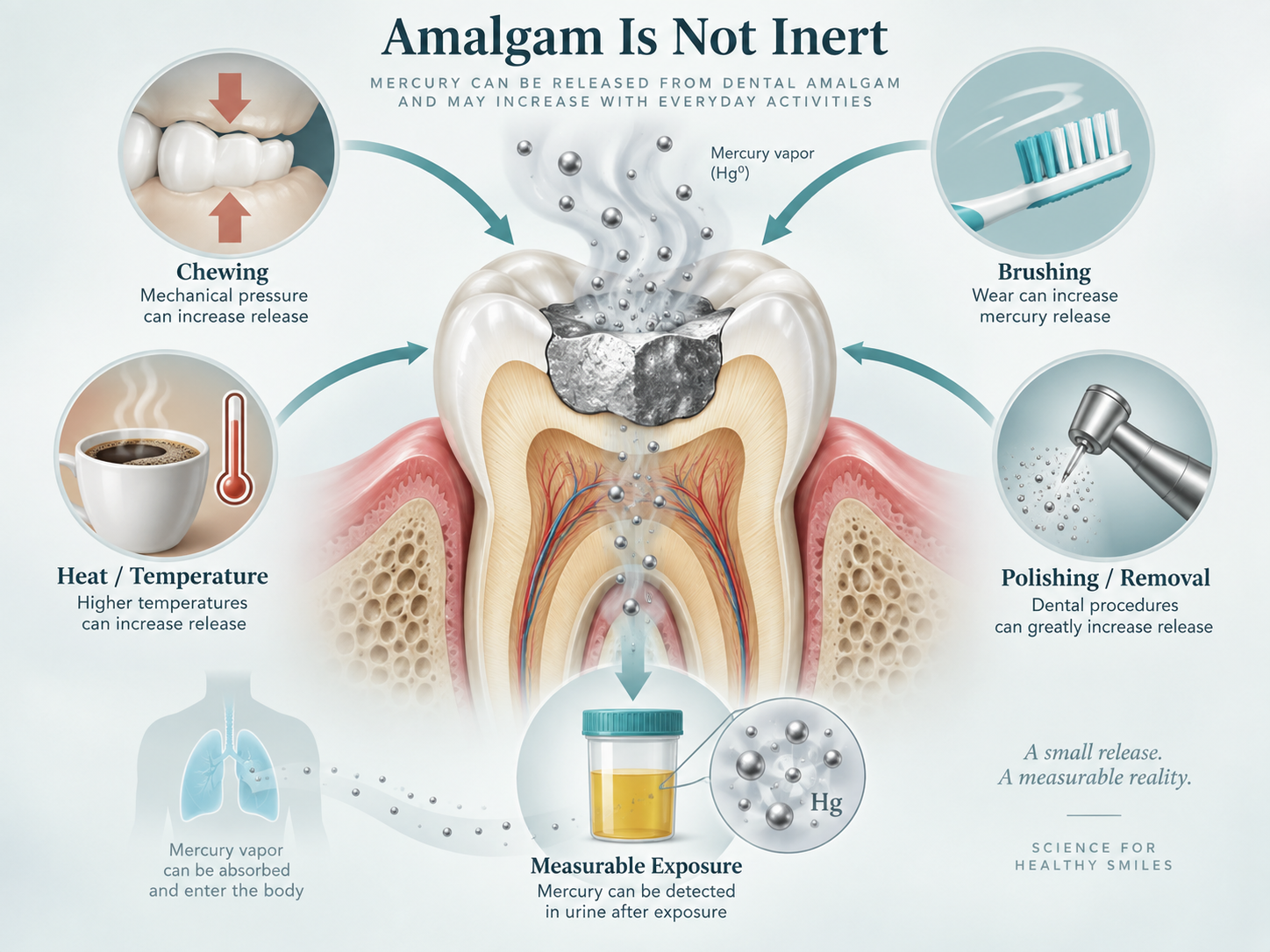
Whether mercury leaks from amalgam fillings, how chewing, grinding and brushing raise vapor release, and why a 50 percent mercury filling is never inert.
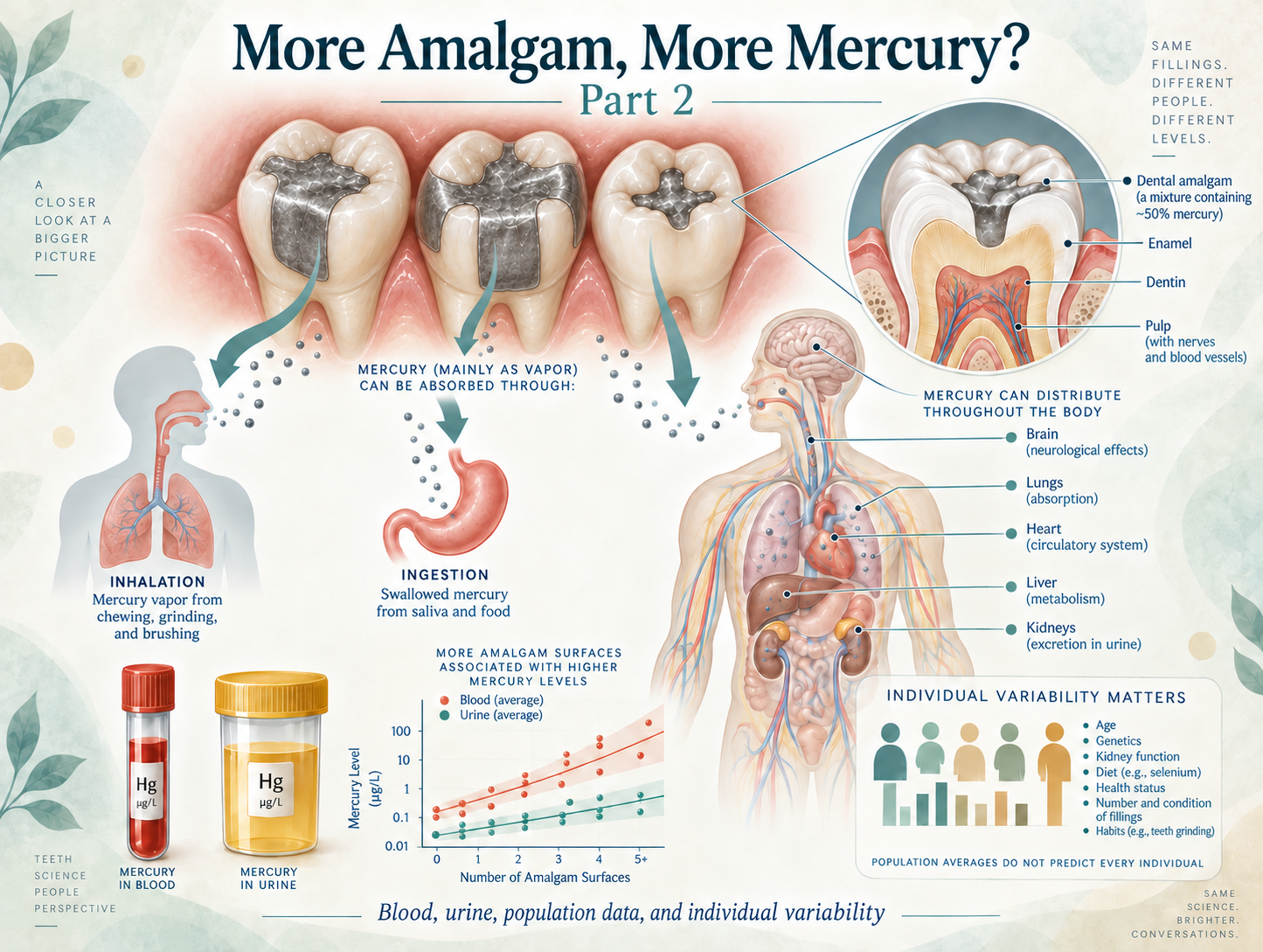
What biomonitoring shows about amalgam fillings and mercury in blood, urine and brain tissue, and why more filling surfaces means measurably more mercury.
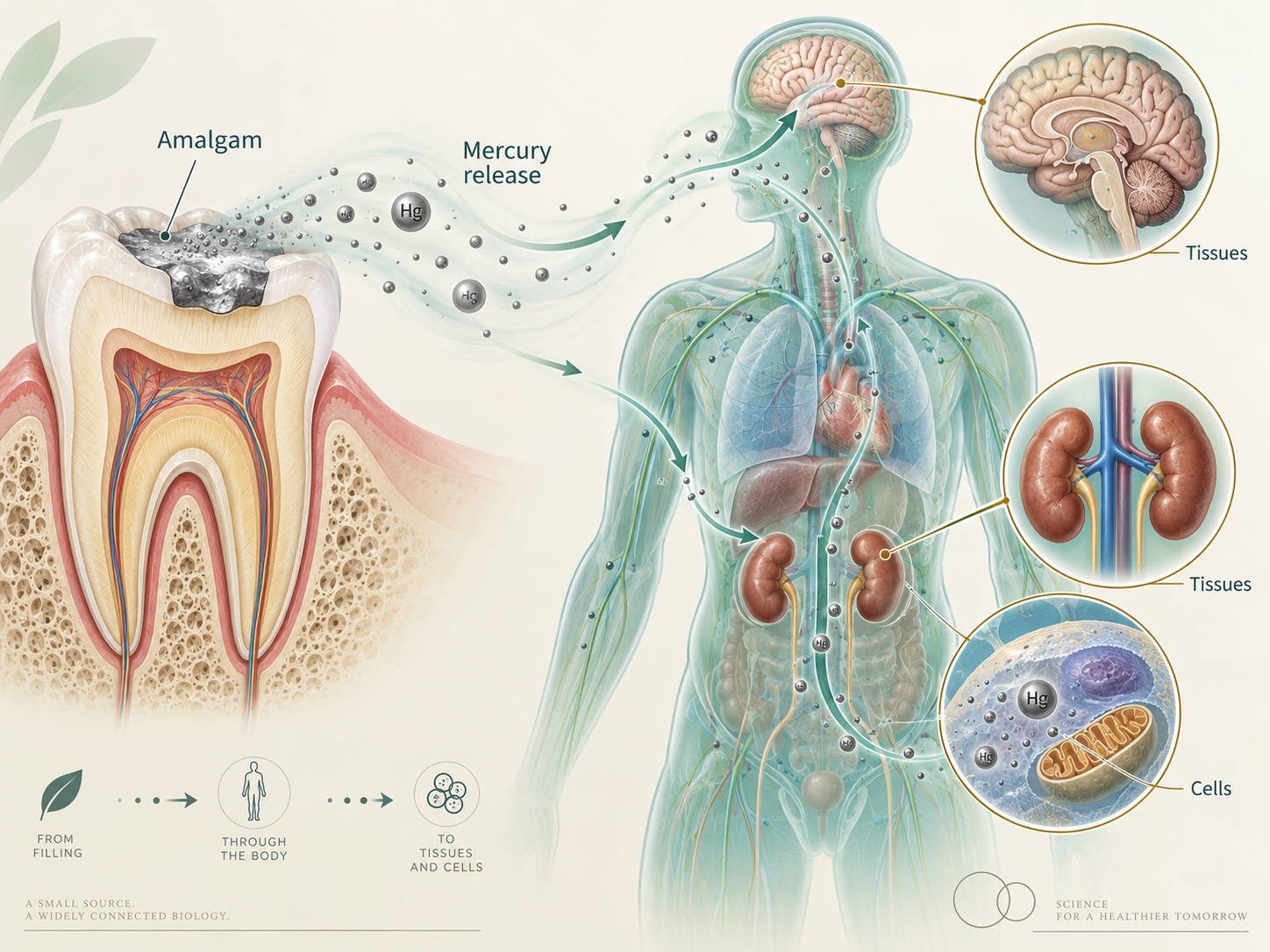
Where mercury vapor from amalgam fillings travels once inhaled, how it crosses into the brain and kidneys, why it stays for years, and what it does to cells.
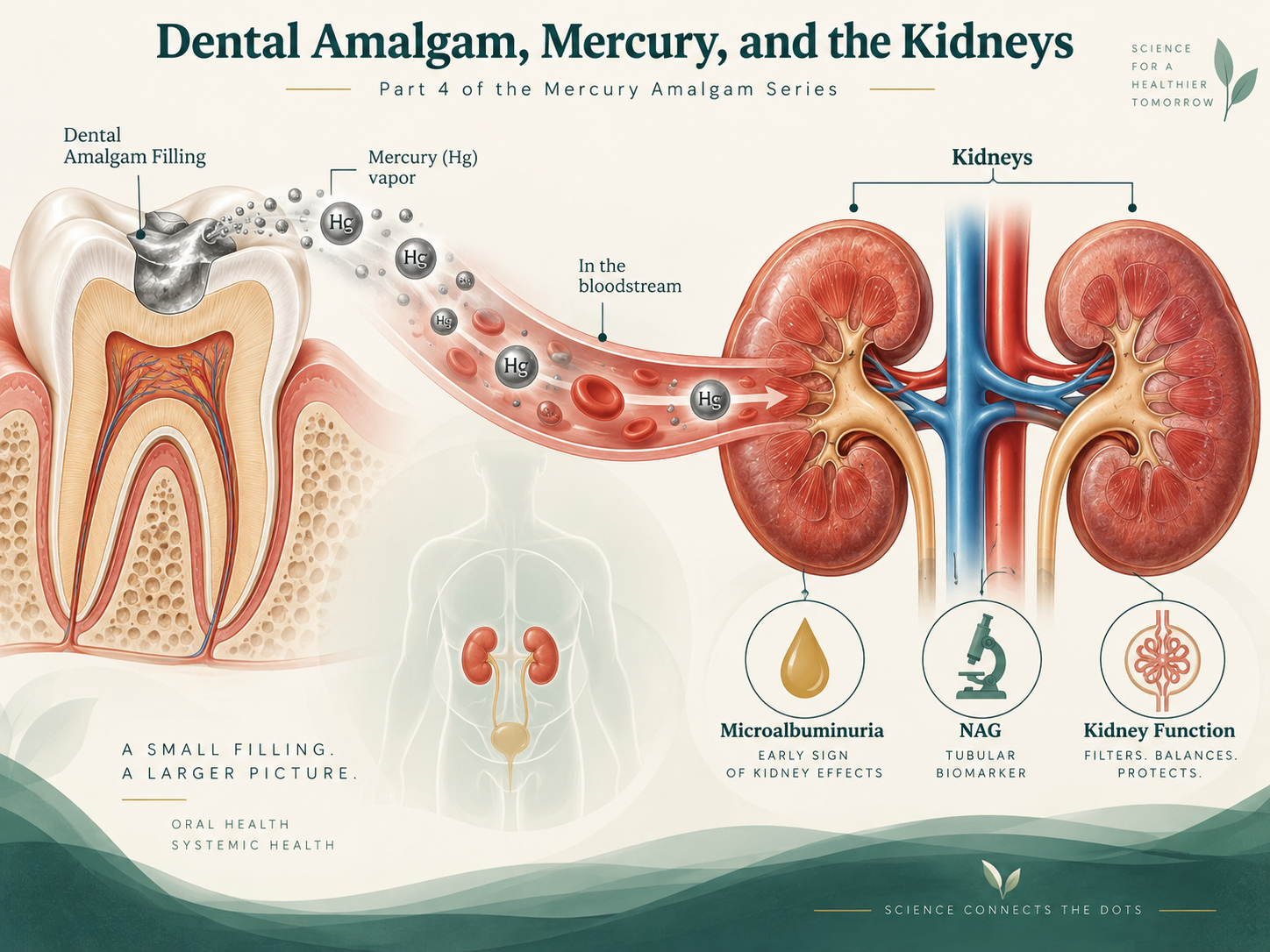
Whether amalgam fillings damage the kidneys, why the kidney is the main organ that stores inorganic mercury, and what urinary mercury and kidney studies show.
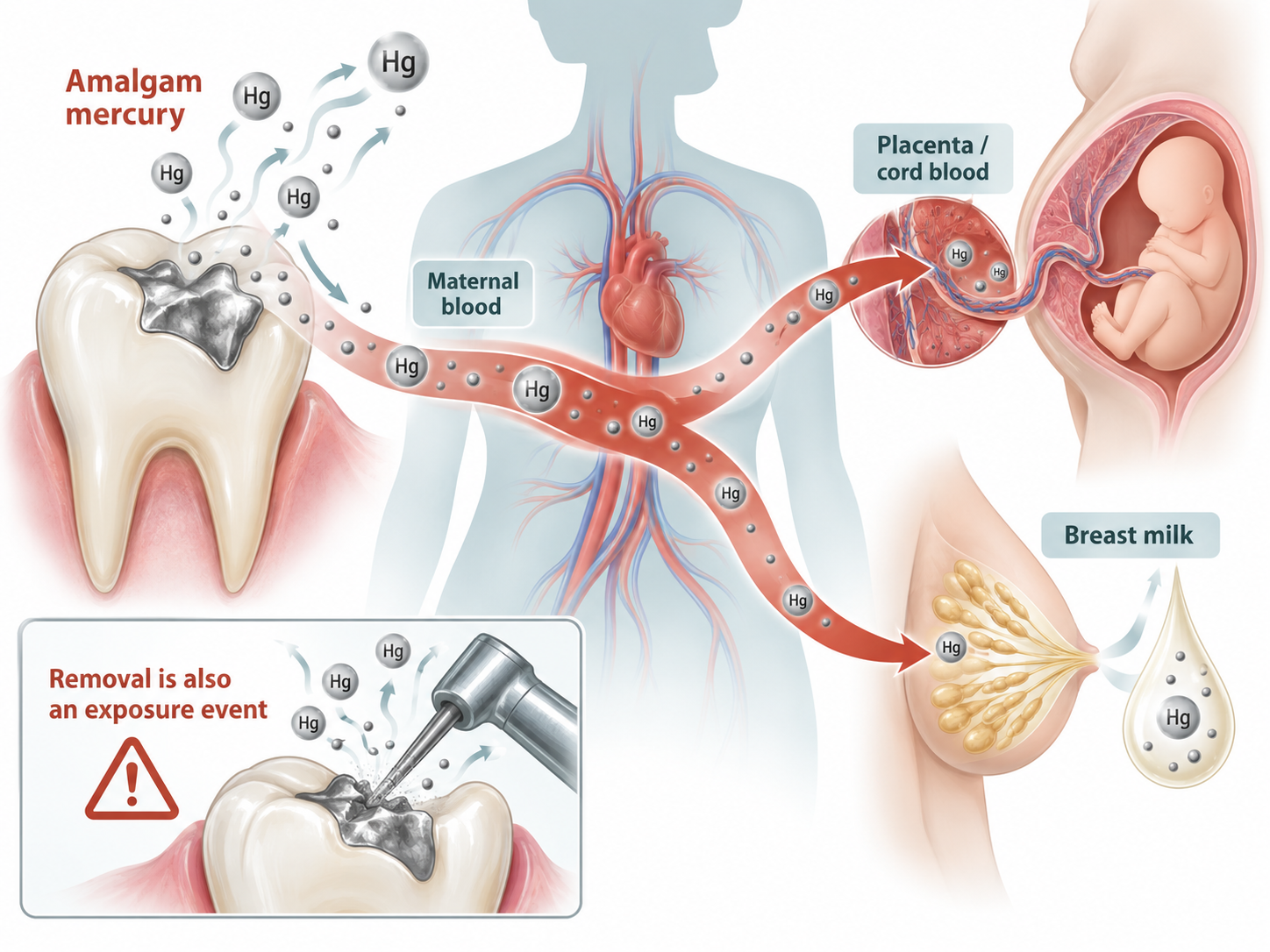
How mercury from amalgam crosses the placenta and enters breast milk, what cord blood and infant studies show, and why the placenta is no barrier to vapor.
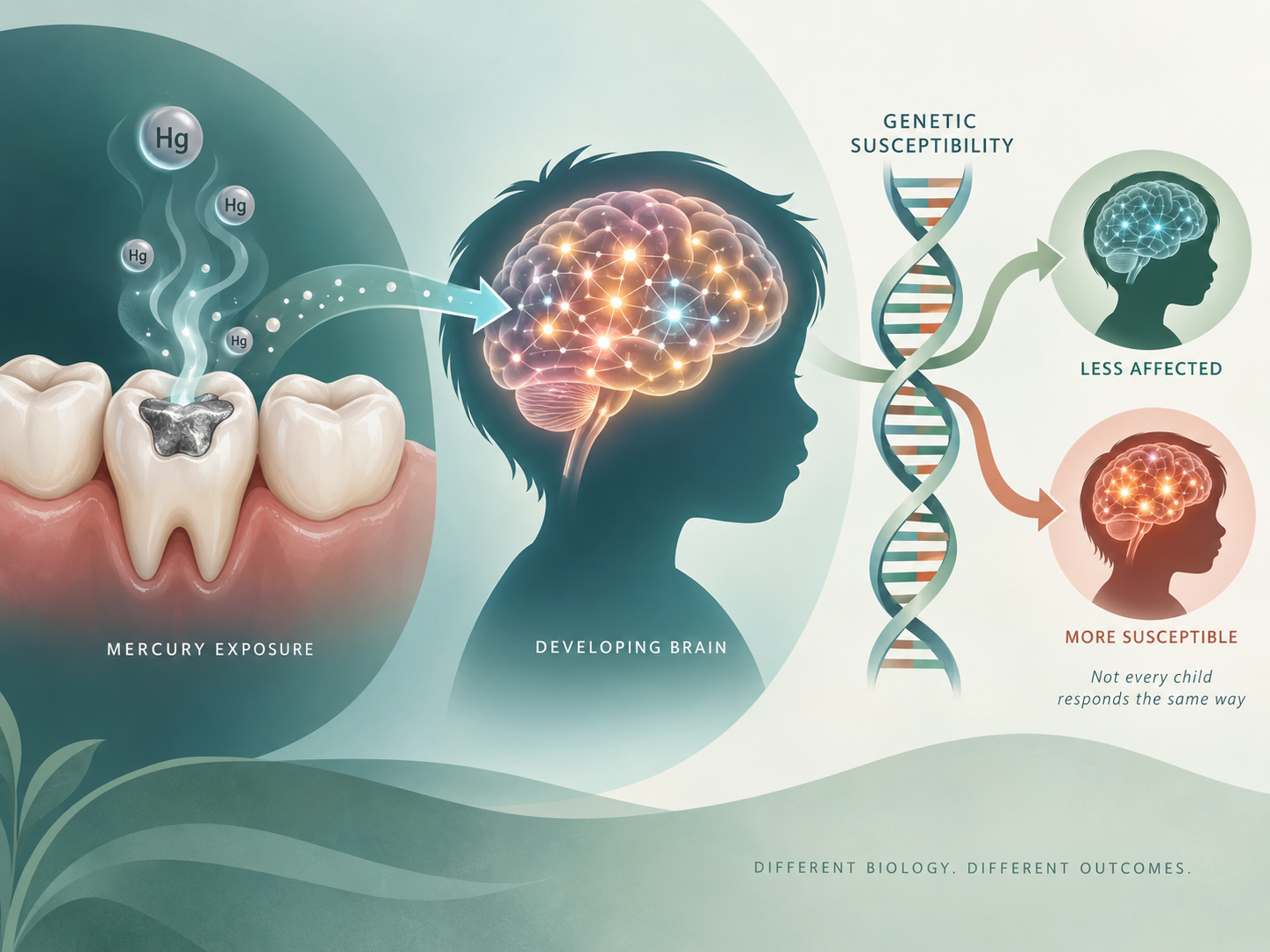
Whether amalgam fillings are safe for children, what the Casa Pia and New England trials missed, and why variants like APOE4 make the average child a myth.