How to Brush Toddler Teeth When They Refuse
How to brush a toddler's teeth when they refuse, including the knee-to-knee position, sensory strategies for neurodivergent toddlers, and how to keep it calm.
Resource Library
How to brush a toddler's teeth when they refuse, including the knee-to-knee position, sensory strategies for neurodivergent toddlers, and how to keep it calm.
The causes of receding gums, from periodontal disease and bite trauma to airway dysfunction, orthodontics and hormones, and how to find the root cause first.
How chronic gum disease raises the risk of heart disease, diabetes and stroke via systemic inflammation, and why microbial testing and GBT cleanings matter.
How Ehlers-Danlos syndrome affects the mouth, from TMJ instability and fragile gums to bleeding and local anesthetic failure, and how to plan safer care.
Why teenagers' gums bleed despite good brushing, how estrogen and testosterone in puberty change the gum's response to plaque: same plaque, different biology.
Why 75 percent of adults have some form of gum disease yet most go undiagnosed, how rushed cleanings miss it, and why diagnosis needs more than a polish.
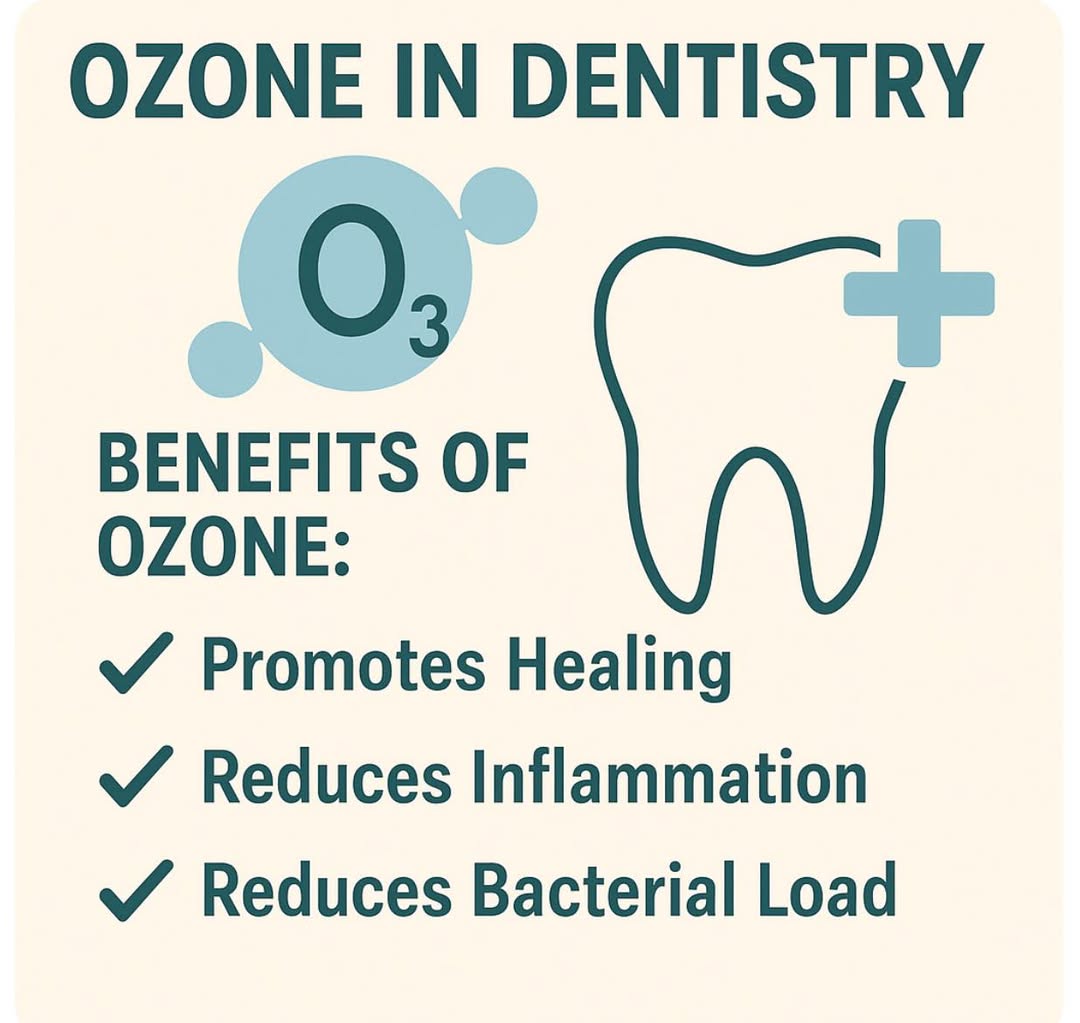
A curated set of peer-reviewed PubMed studies on ozone therapy in dentistry, covering bacterial reduction, wound healing, gum outcomes and its adjunct role.
Why periodontal disease returns after deep cleanings, why it is a chronic condition that is managed rather than cured, and why 90-day maintenance matters.
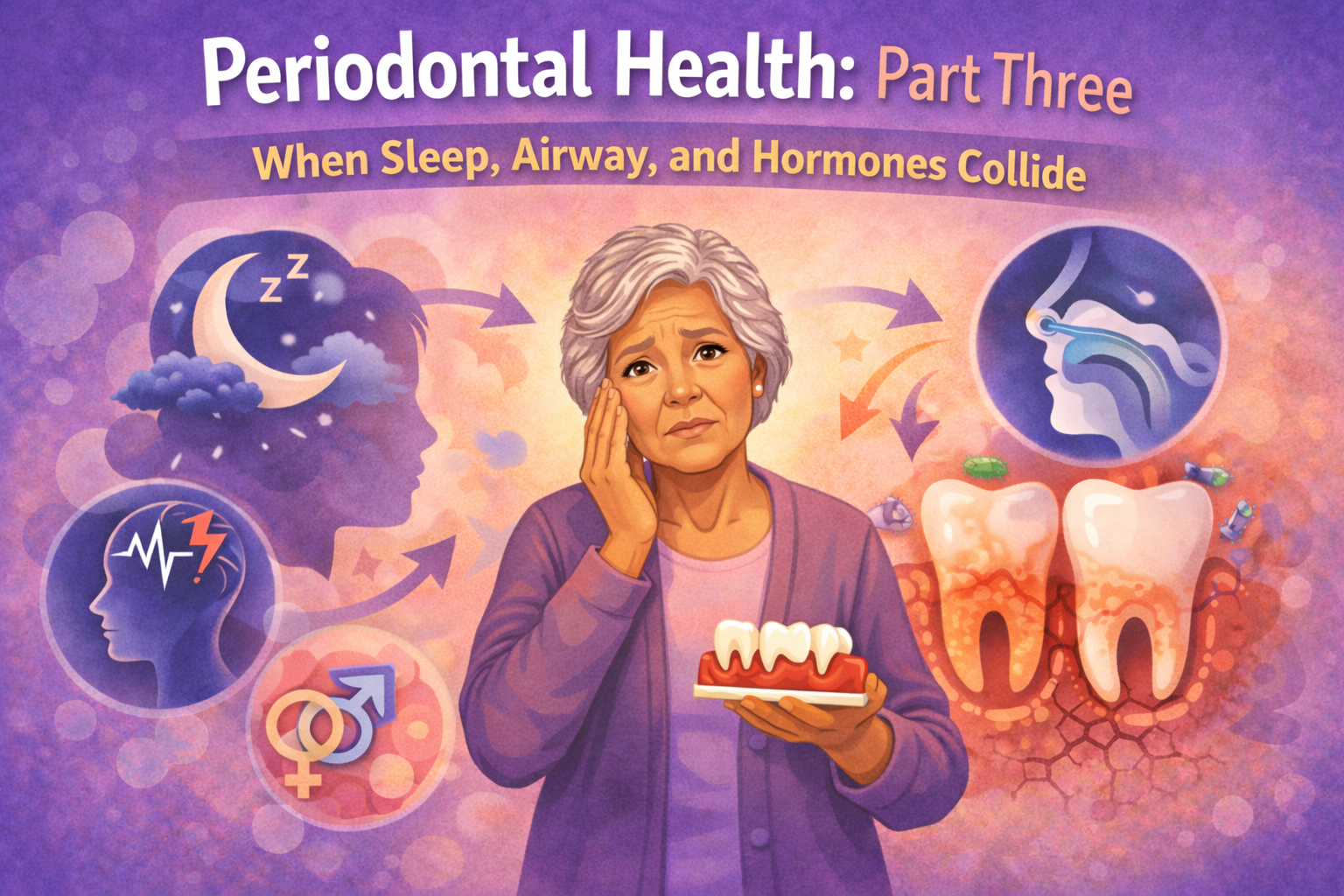
Why gum disease accelerates in menopause, how poor sleep, airway strain and estrogen loss strip the body's reserve, and why women deserve biology, not blame.
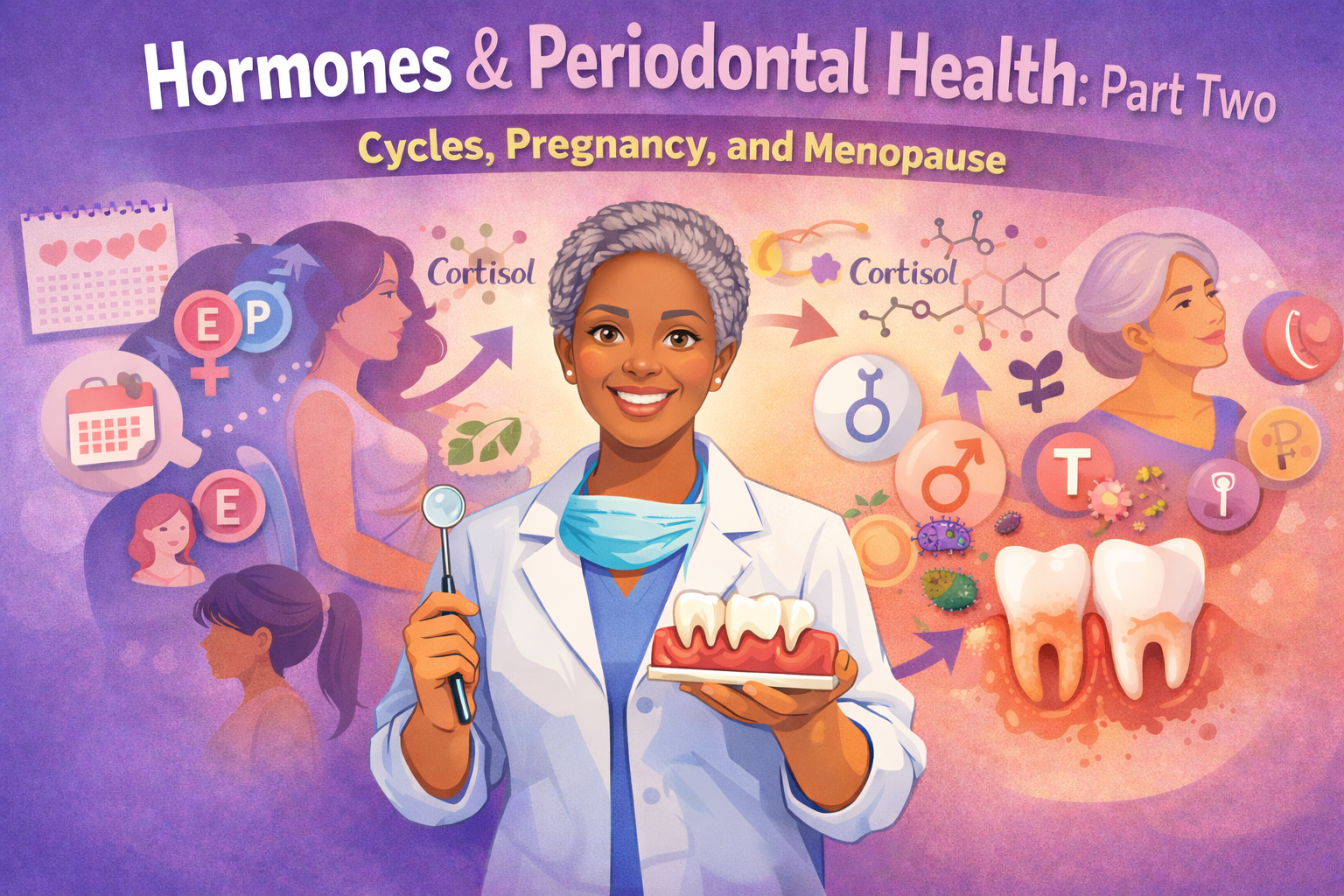
How hormone shifts across the menstrual cycle, pregnancy and menopause change gum inflammation, healing and bone loss, and why gum care must account for them.
The best diet for gum disease, including vitamin C, vitamin D, omega-3 fats and CoQ10, how sugar feeds harmful bacteria, and how food reshapes the microbiome.
Can silver support a healthier mouth? What lab studies and clinical trials show about silver, oral bacteria and the microbiome, plus key safety facts.
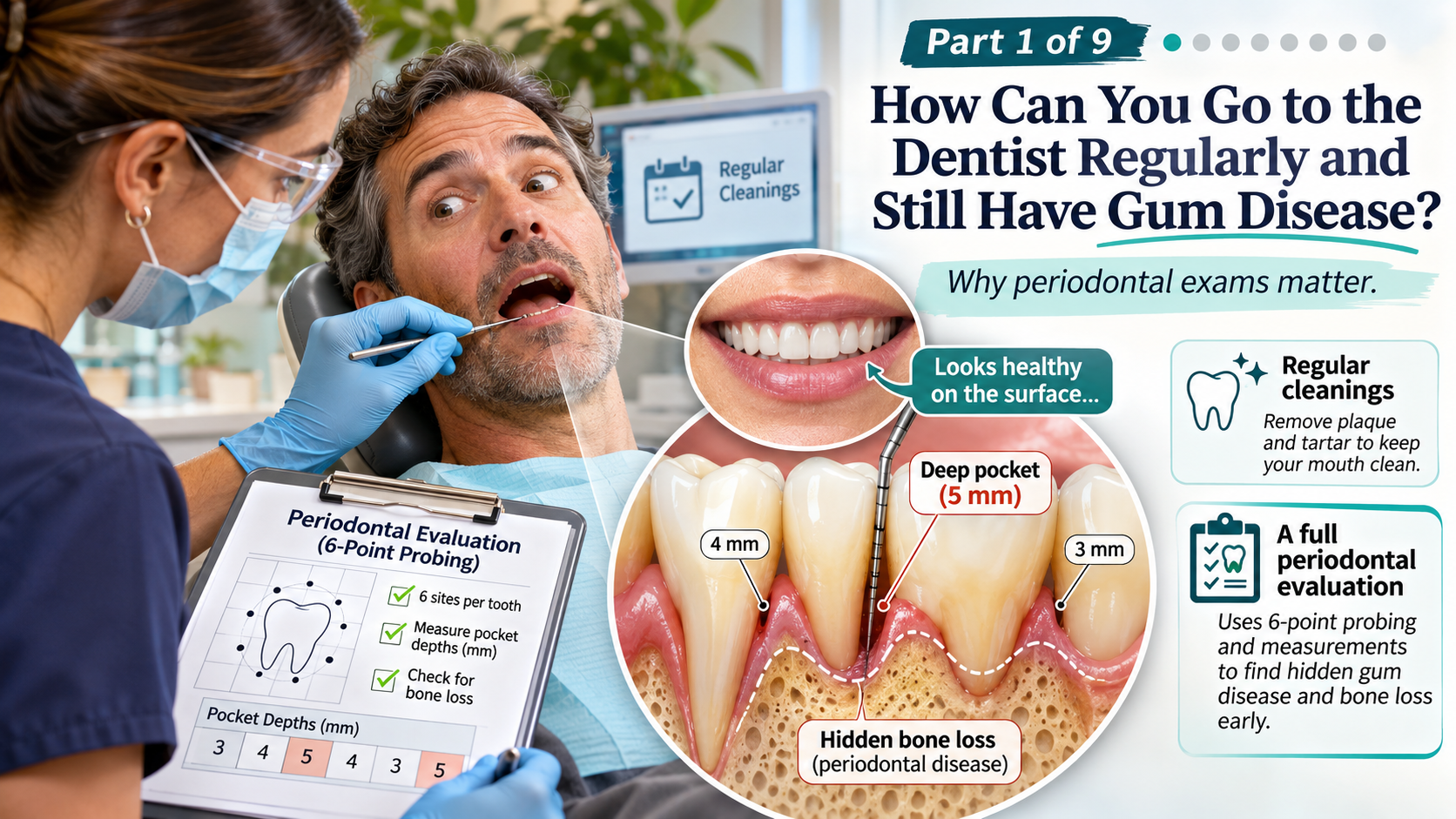
Can you visit the dentist every six months and STILL have serious gum disease without knowing it? In Part 1 of this 9-part series, we explore why periodontal disease is so often missed, what a comprehensive gum examination should include, and how early detection can help prevent devastating bone loss and tooth loss.
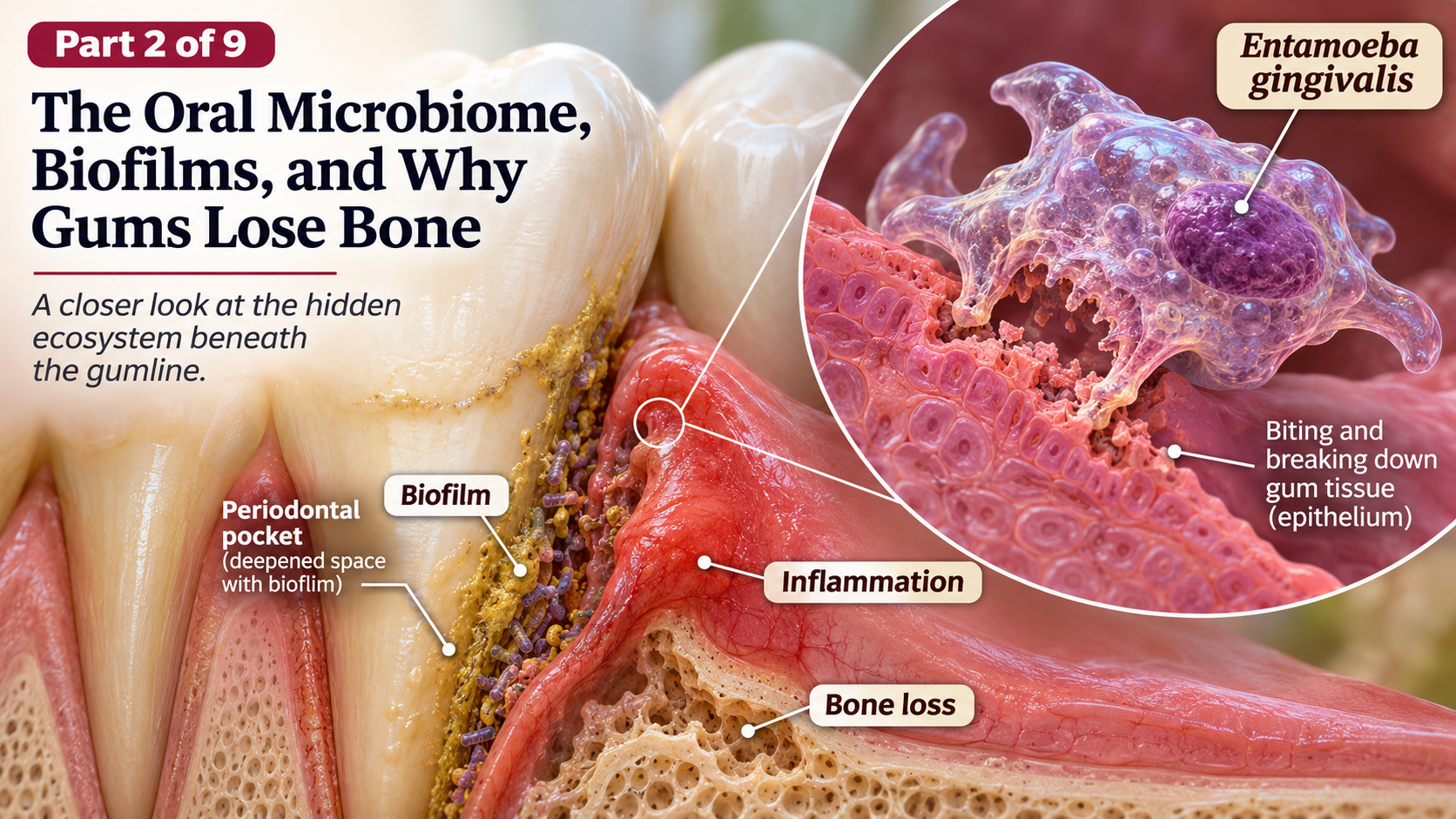
Your mouth is home to hundreds of different microorganisms, and some can actually help create the conditions that destroy the bone supporting your teeth! In Part 2 of our periodontal disease series, we explore the oral microbiome, organized bacterial biofilms, protozoa that damage living gum cells, and the surprising ways our own immune systems contribute to periodontal destruction.
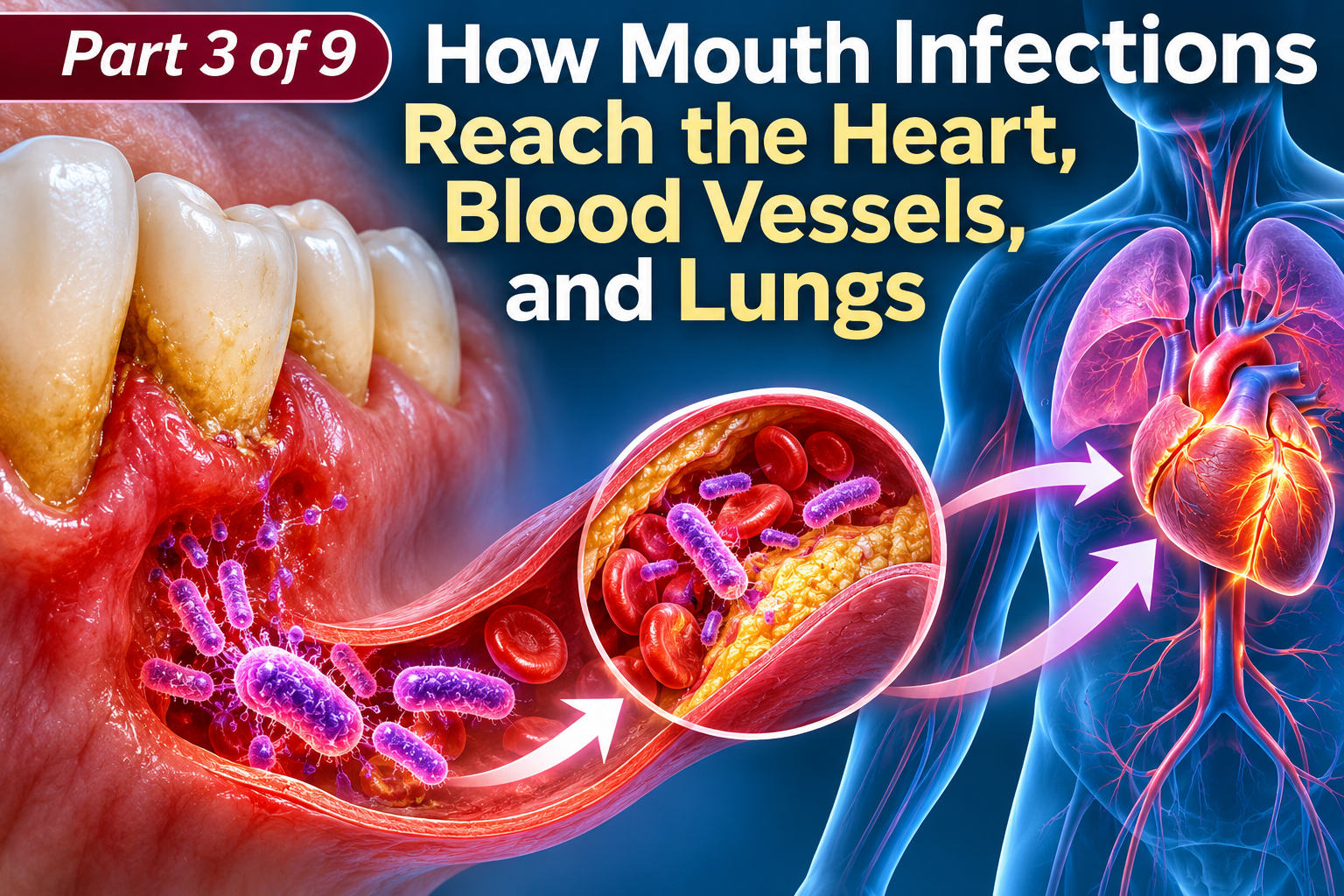
Can gum disease affect your heart, blood pressure, and risk of stroke? Discover what researchers have found about oral infections and cardiovascular health.