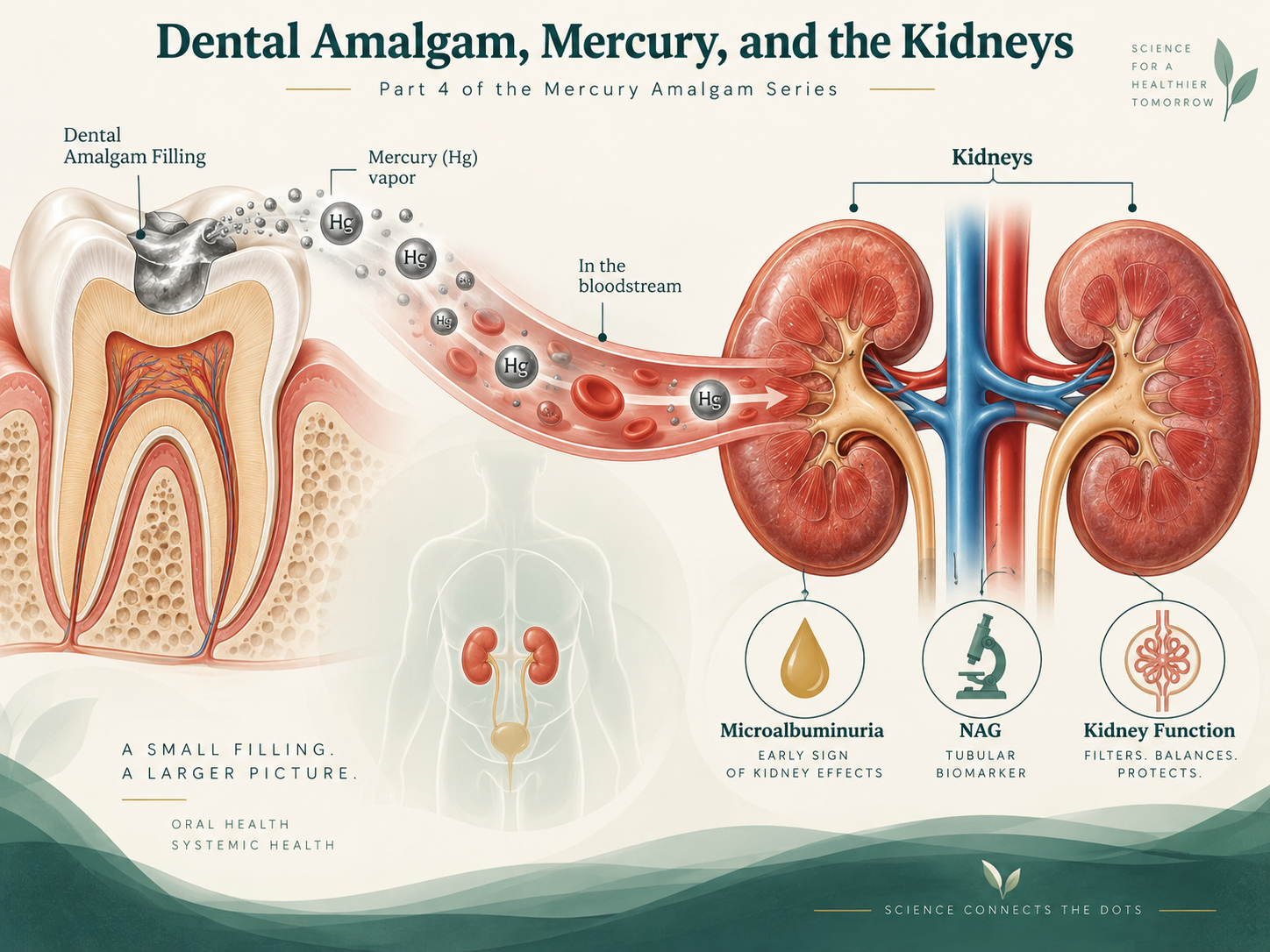
Do Amalgam Fillings Damage Kidneys? What the Evidence Shows
Whether amalgam fillings damage the kidneys, why the kidney is the main organ that stores inorganic mercury, and what urinary mercury and kidney studies show.
Resource Hub
Whether amalgam fillings damage the kidneys, why the kidney is the main organ that stores inorganic mercury, and what urinary mercury and kidney studies show.
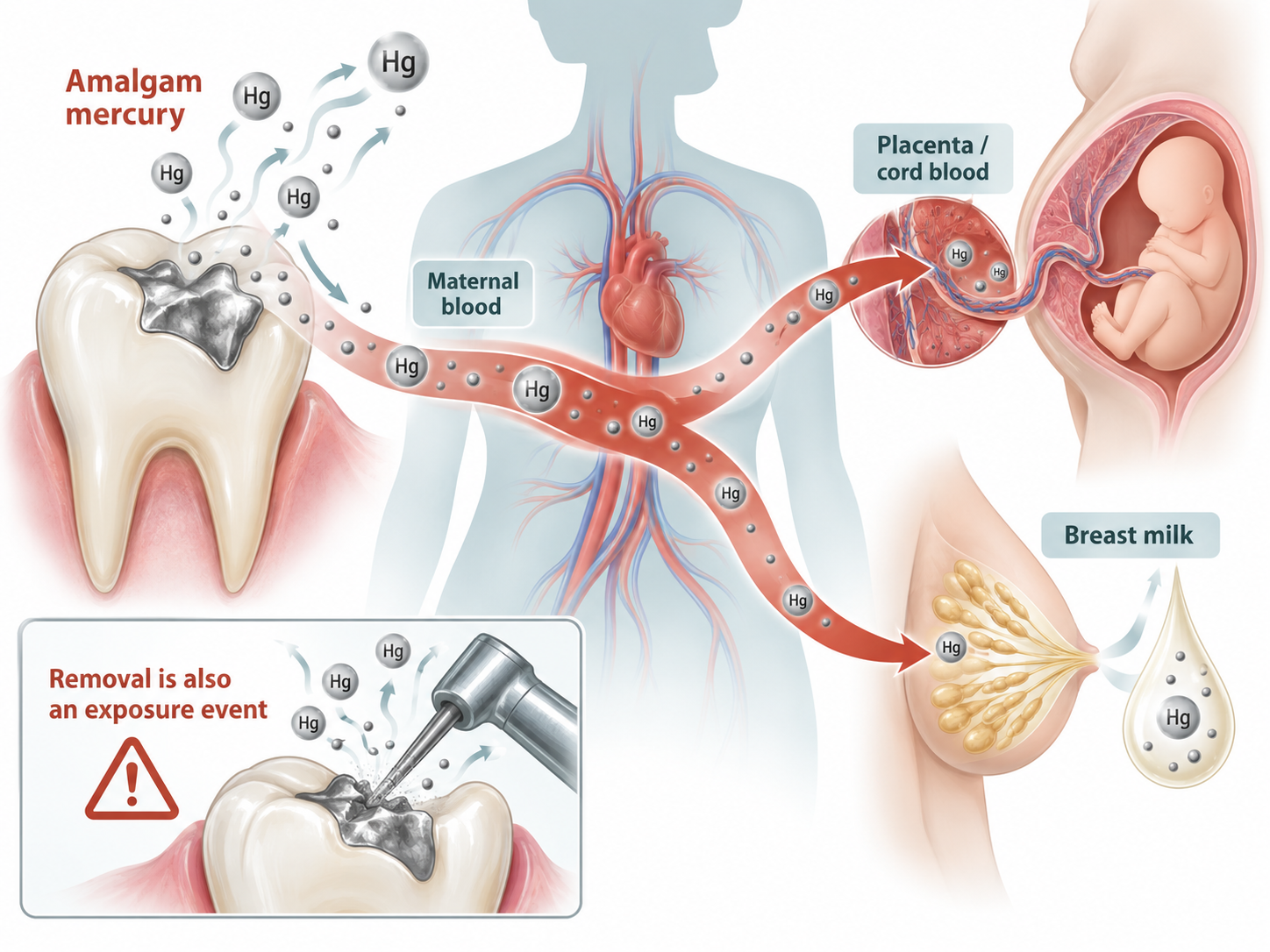
How mercury from amalgam crosses the placenta and enters breast milk, what cord blood and infant studies show, and why the placenta is no barrier to vapor.
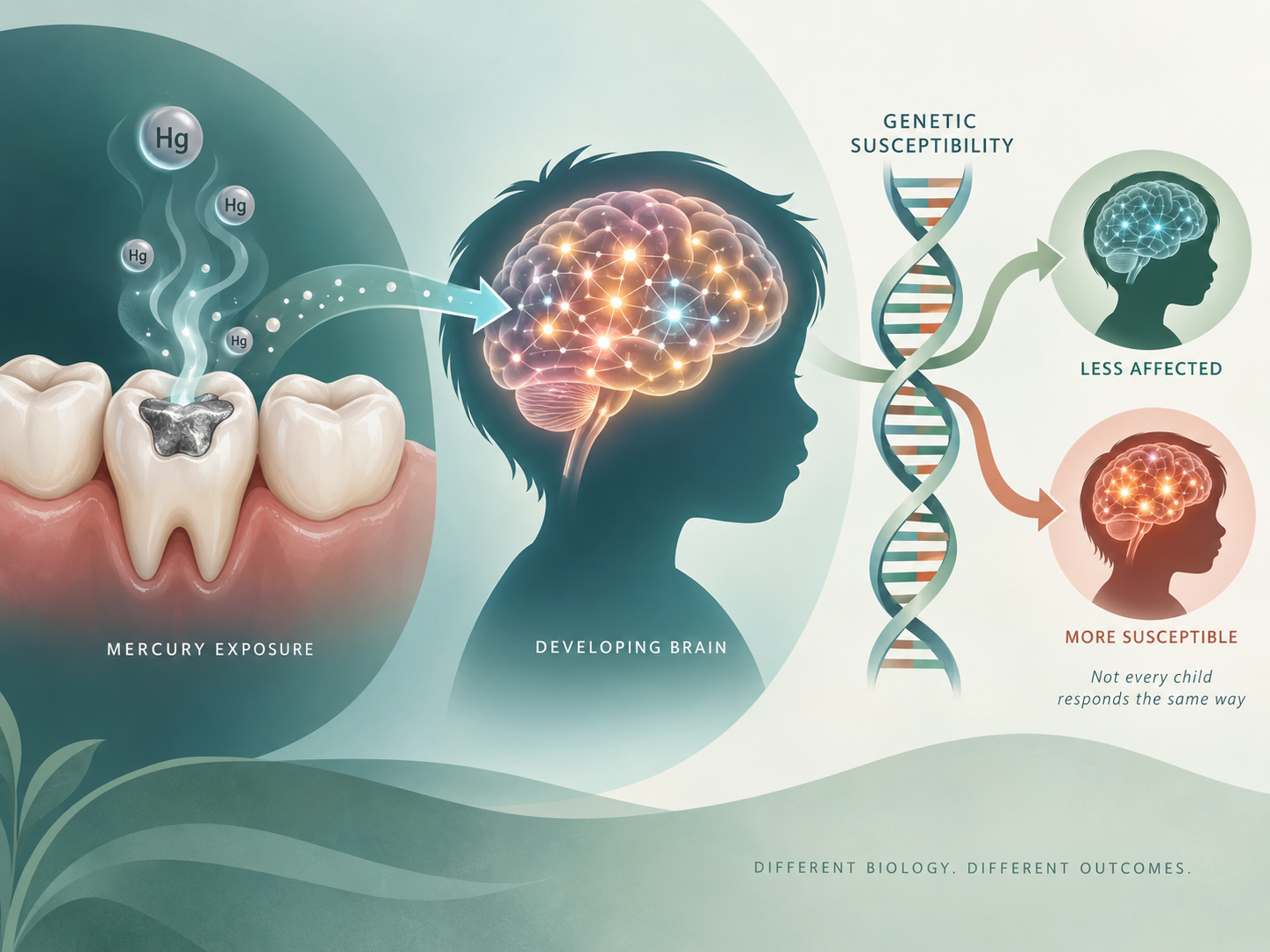
Whether amalgam fillings are safe for children, what the Casa Pia and New England trials missed, and why variants like APOE4 make the average child a myth.
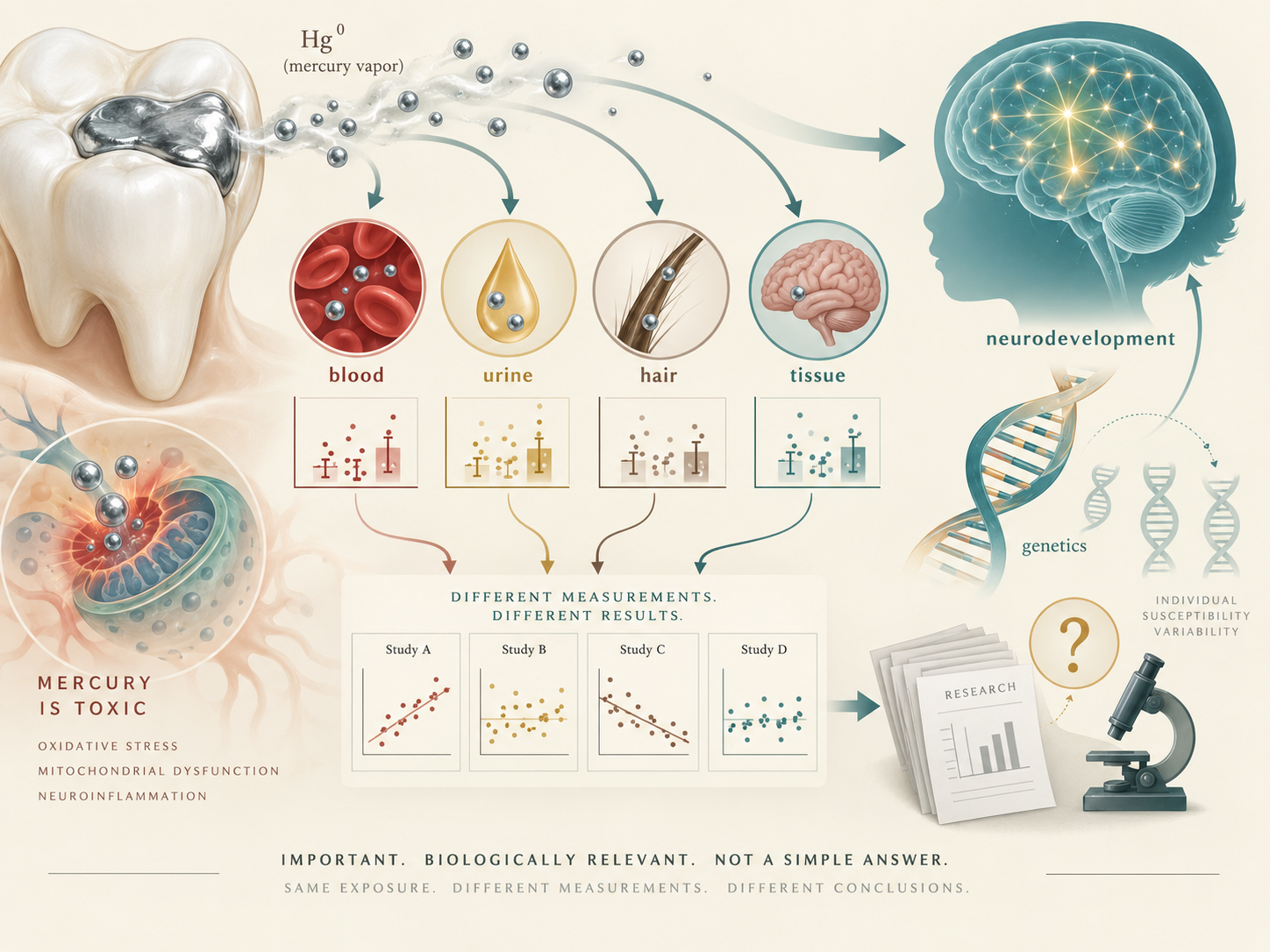
What research shows on mercury and autism, from maternal amalgam studies to thimerosal, where evidence is strong, where it is weak, and what to stop claiming.
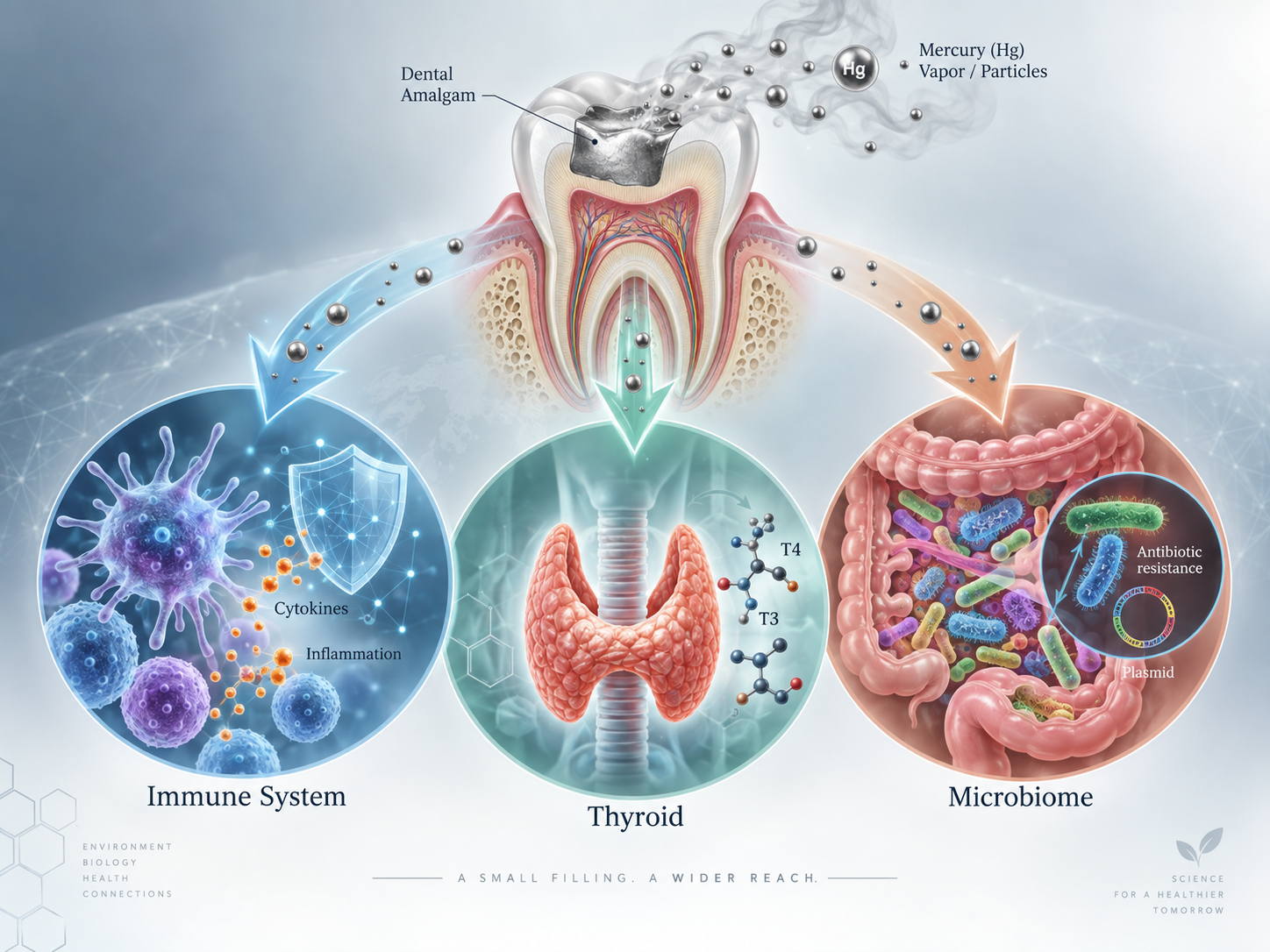
How mercury from amalgam affects the thyroid, immune system and gut microbiome, including links to Hashimoto's, autoimmunity and antibiotic resistance.
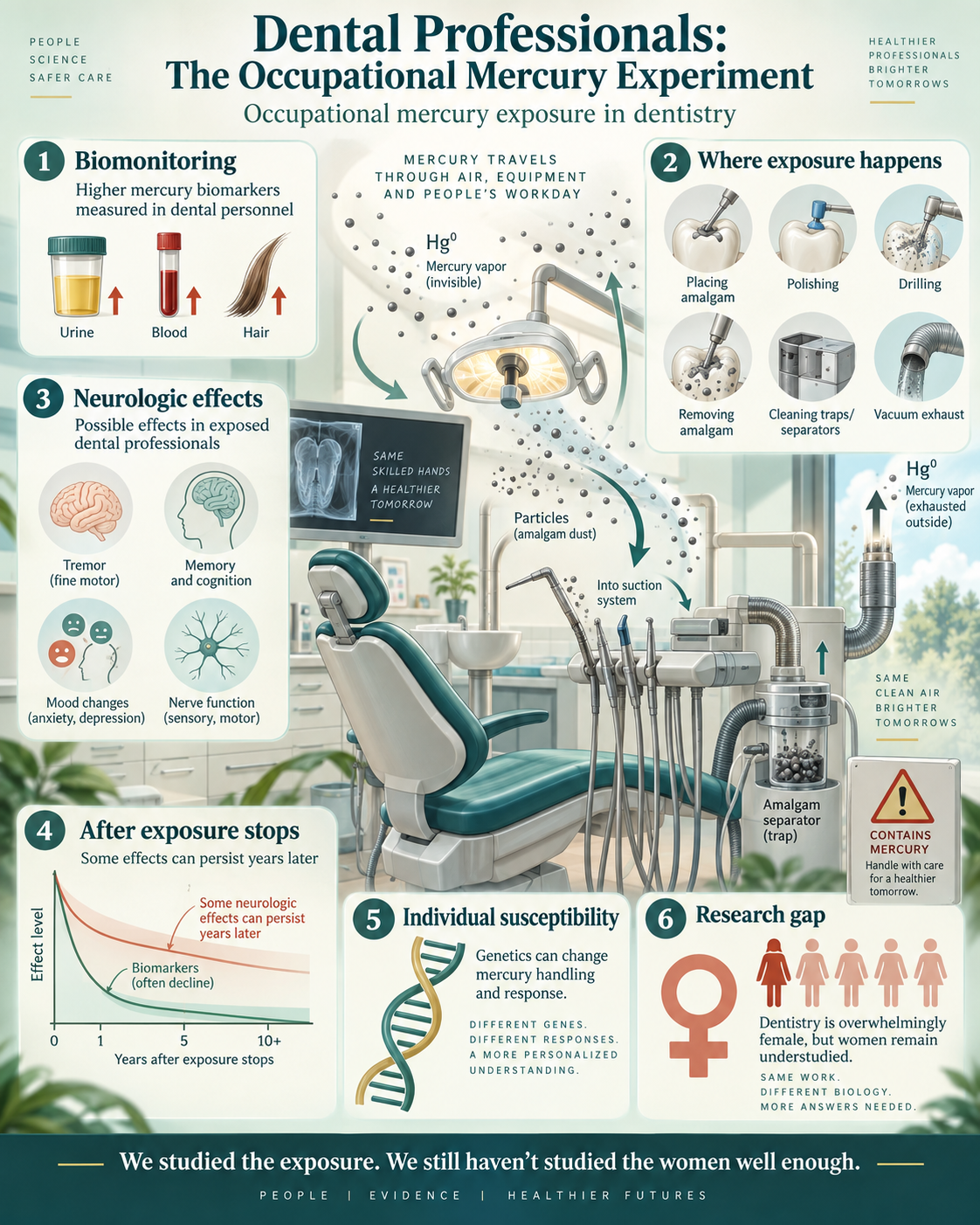
What decades of studies show about mercury exposure in dental hygienists and dentists, including tremor, memory and fertility effects, and why it was ignored.
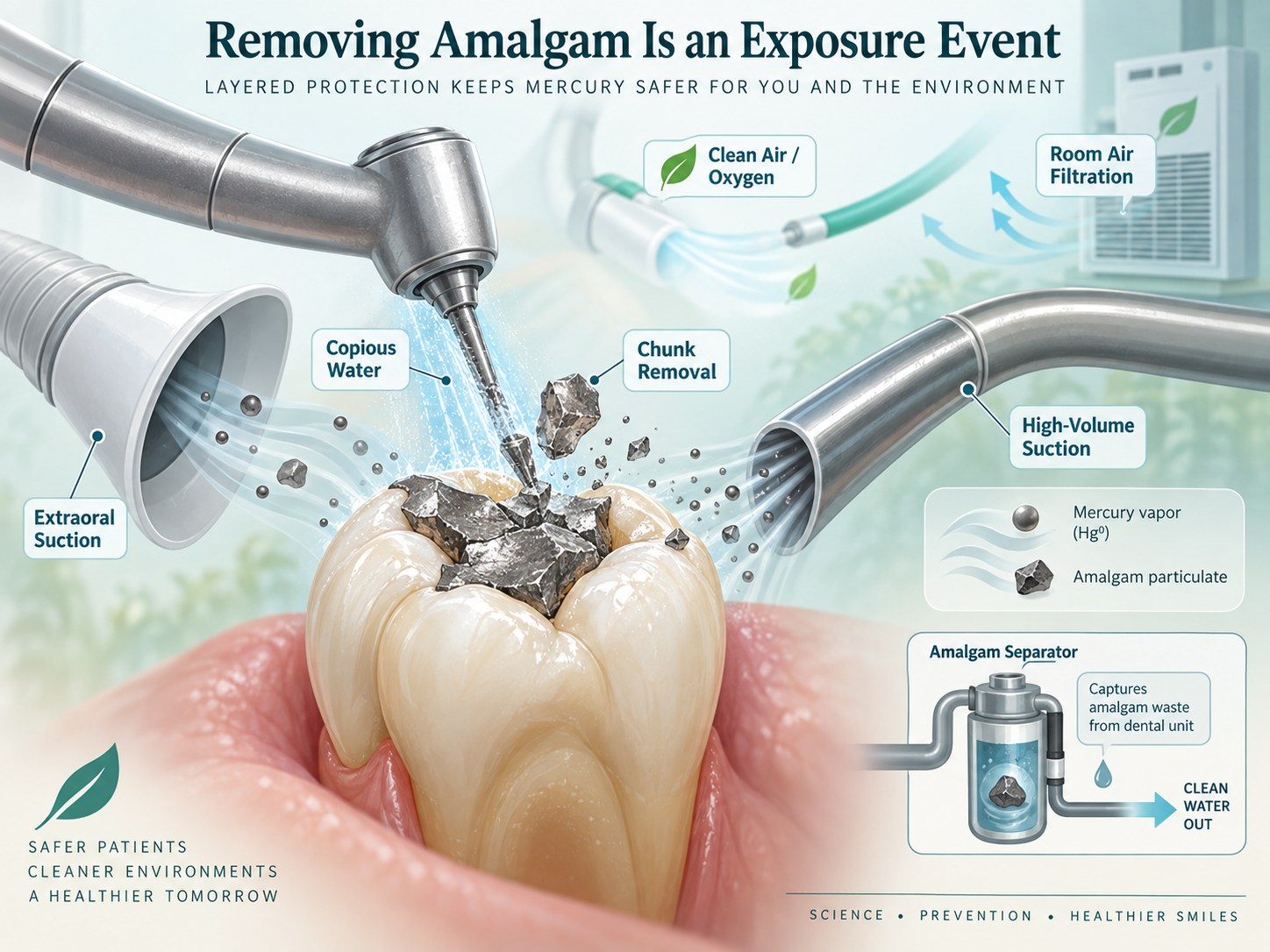
Why removing amalgam is a mercury exposure event, how drilling without protection can spike blood mercury, and which SMART and PROTECT steps lower the dose.
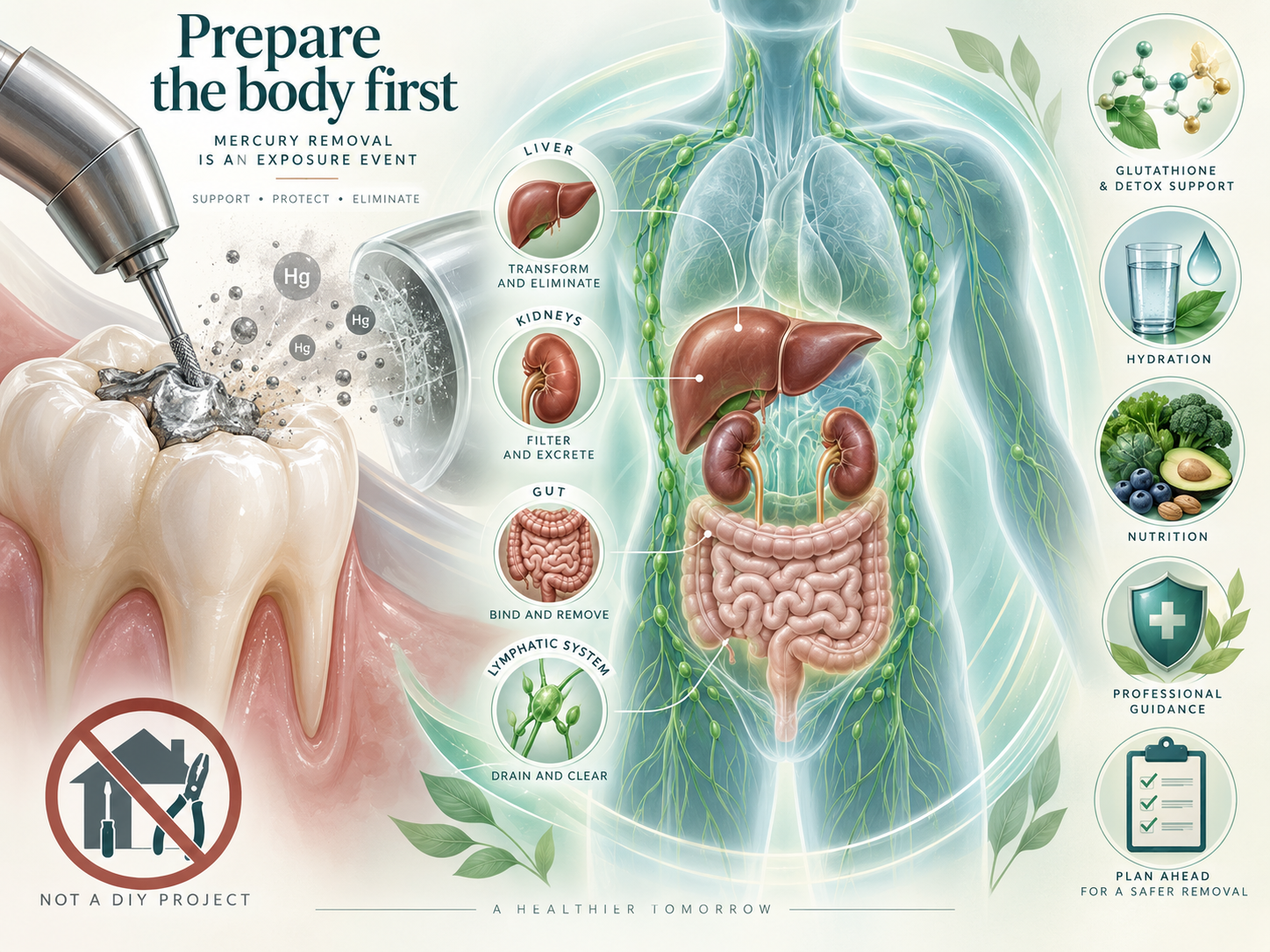
How to prepare the body before amalgam removal, from bowel regularity and glutathione to minerals and timing, and why mobilizing mercury too soon backfires.
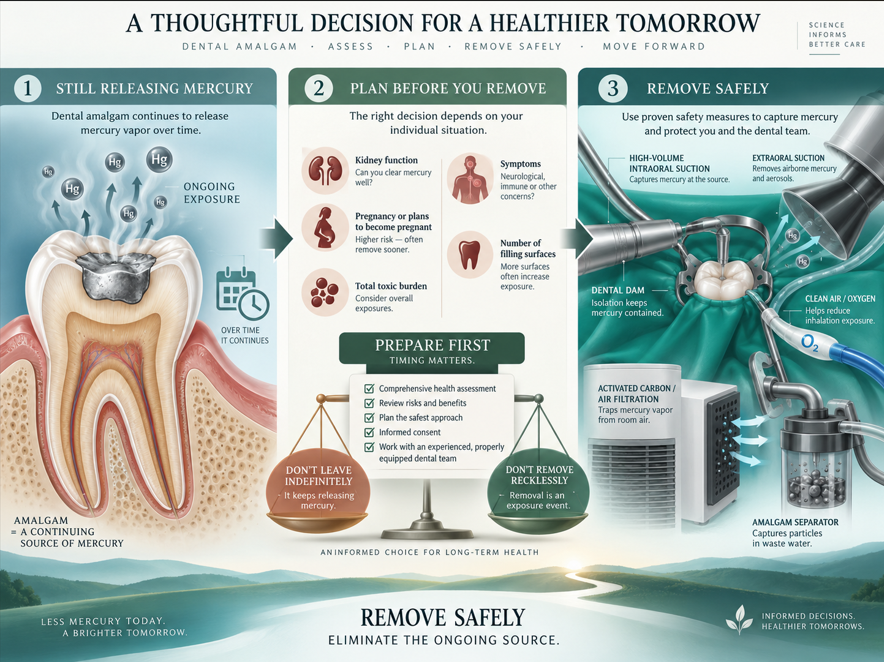
Whether everyone with amalgam should have it removed, who benefits most, when removal can do more harm than good, and how to weigh your own exposure history.