Resource Libraries
SMART vs PROTECT Amalgam Removal: What Is the Difference?
How the IAOMT SMART protocol and IABDM PROTECT compare for safe amalgam removal, what SMART requires, what PROTECT adds, and which your dentist follows.
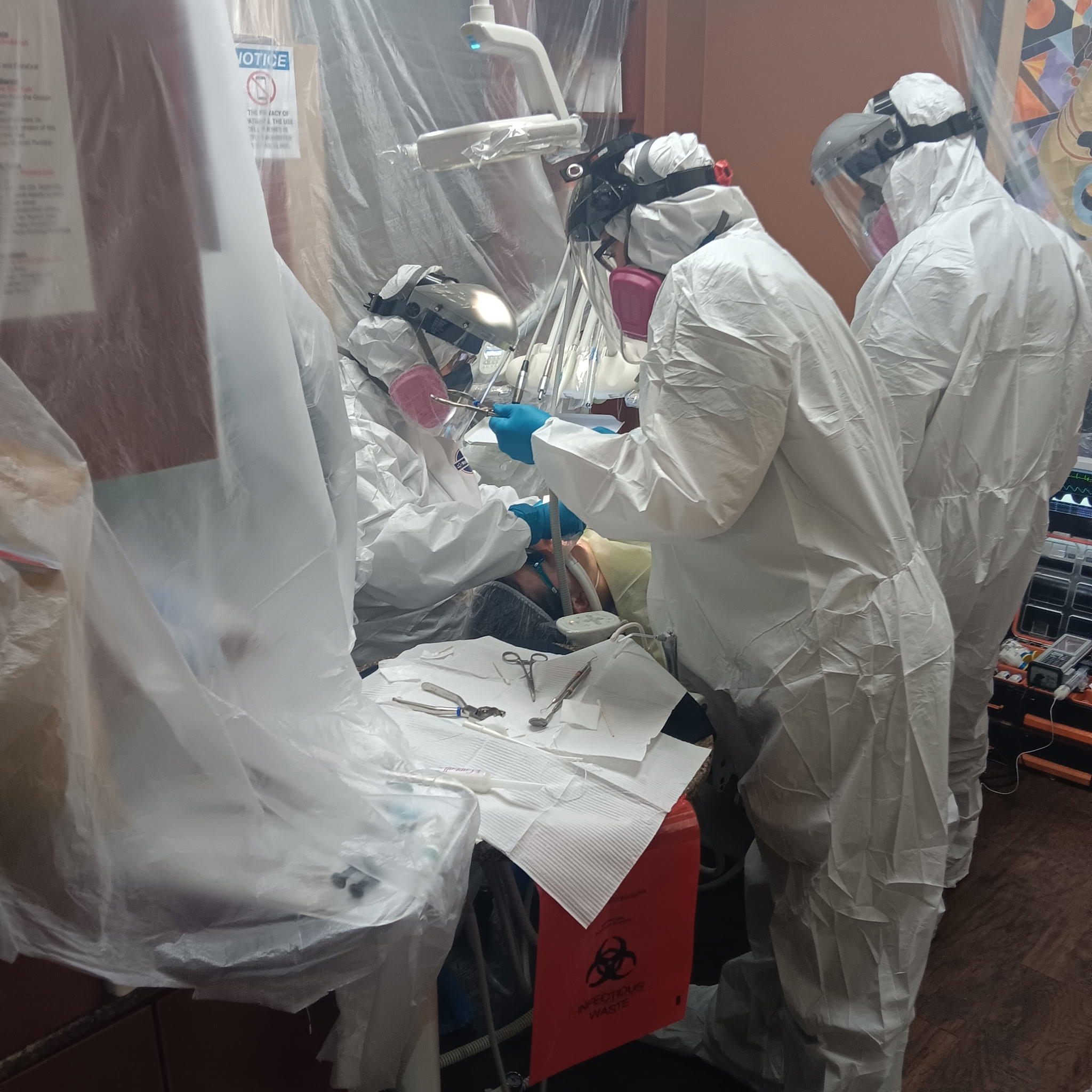
What is SMART? What is PROTECT? What's The Difference?
SMART vs PROTECT
Understanding Safe Mercury Amalgam Removal — And What The different Standards Mean
Mercury dental amalgam is approximately 50% elemental mercury. Mercury is a known neurotoxin, nephrotoxin, immunotoxin, and mitochondrial poison, with no established safe level of exposure in toxicology—especially for pregnant women, children, and genetically susceptible individuals. Because mercury is biologically active and continuously released from amalgam fillings, how amalgams are removed matters just as much as whether they are removed.
This is why safety protocols exist.
Two of the most widely recognized biological dentistry standards for mercury-safe amalgam removal are SMART and PROTECT. They are not competitors. They are related frameworks with different scopes, designed for different clinical realities. Understanding both allows patients to ask better questions—and allows dentists to practice ethically within their capabilities.
Part 1: What Is SMART?
The SMART Protocol (IAOMT)
SMART stands for Safe Mercury Amalgam Removal Technique and was developed by the International Academy of Oral Medicine and Toxicology (IAOMT). SMART exists to reduce mercury exposure during amalgam removal by applying engineering controls and protective barriers grounded in occupational safety and toxicology. SMART was a pivotal advancement. It formally acknowledged that mercury vapor released during drilling poses a risk to patients, staff, and the environment—and that protection is necessary.
Core SMART Elements:
According to the IAOMT public checklist, SMART requires:
Rubber dam isolation to prevent ingestion or tissue exposure
Sectioning of amalgam fillings instead of grinding
High-volume suction placed close to the tooth
Additional air filtration in the operatory
Protective coverings for patient and staff
Proper hazardous waste handling
SMART focuses on reducing exposure during the removal event, particularly mercury vapor and particulate matter generated by drilling. SMART certification has helped shift dentistry away from unprotected removals and raised awareness across the profession. For many offices, SMART represents a significant and meaningful improvement over conventional practices. For more information on SMART, please visit https://thesmartchoice.com/smart-safe-mercury-removal-resources/
Part 2: What Is PROTECT?
The PROTECT Protocol (IABDM)
PROTECT is an advanced mercury safety protocol developed by the International Academy of Biological Dentistry and Medicine (IABDM). PROTECT includes everything required by SMART, but goes further. Where SMART focuses primarily on the removal event, PROTECT takes a systems-level view of mercury exposure, accounting for:
cumulative exposure over time
individual patient vulnerability
chronic staff exposure
environmental contamination
physiologic stress during removal
Here is the IABDM PROTECT Protocol Public Checklist. PROTECT was designed for dentists who want to operate at the highest level of biological and occupational safety, even when that level feels demanding.
Core PROTECT Principles:
PROTECT emphasizes:
Full rubber dam isolation
Sectioning of amalgam to reduce vapor
Aggressive internal and external suction
Advanced air filtration strategies
Clean or supplemental air delivery to the patient whenever possible
Enhanced respiratory and barrier protection for staff
Strict mercury handling and disposal
Consideration of patient health status and resilience
Importantly, PROTECT recognizes that removal itself is a biologic stressor. While it is not a detox protocol, it acknowledges variability in patient tolerance and aims to minimize physiologic burden. Basically, those of us who are PROTECT Protocol Certified are going to ask our patients to work with their functional medicine doctors to prepare their bodies for removal before, because they are also going to be the ones who are going to detox and chelate their patients after the removal. For more information on PROTECT, please visit https://iabdm.org/the-protect-protocol/
Account required
Sign in to see more
Create an account or sign in to unlock the full list.