Journal
Sedation & Sleep Dentistry: Safety, Science, and Trauma-Informed Care
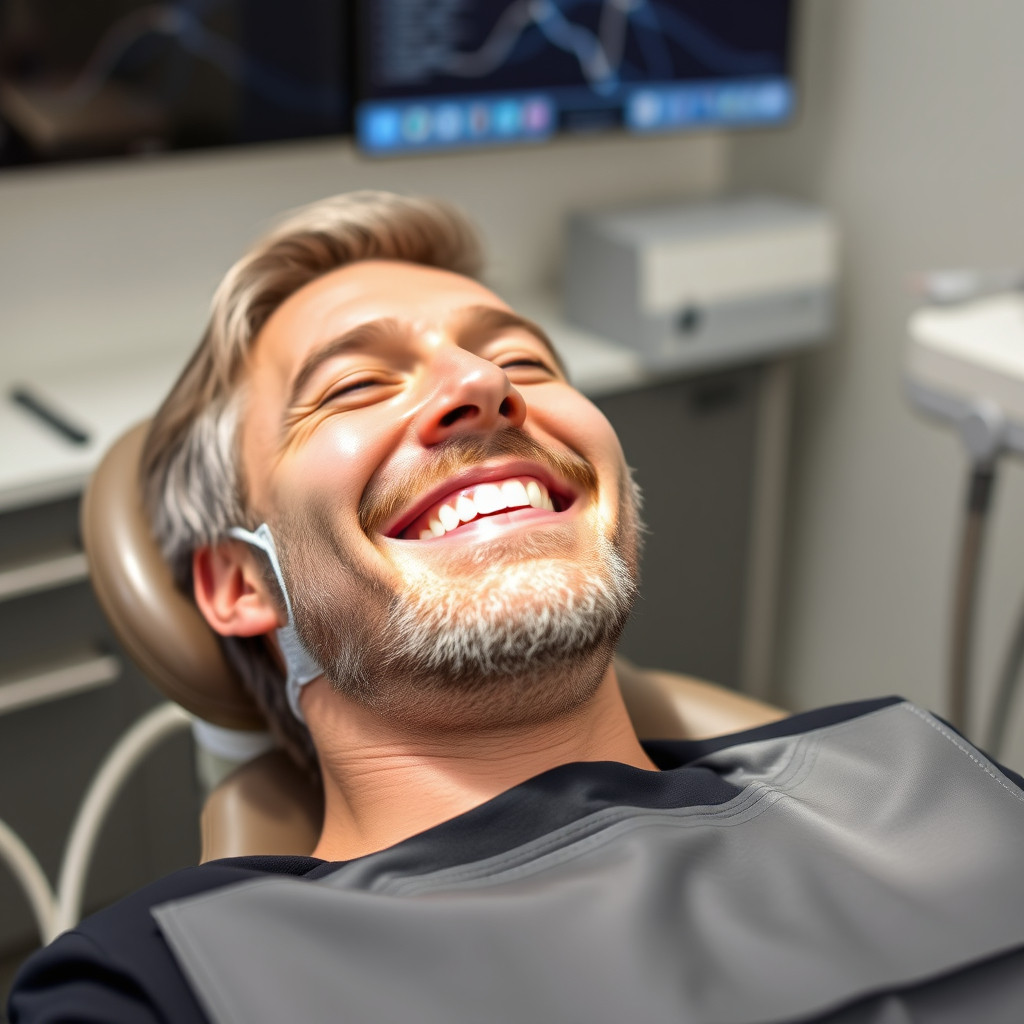
Sedation dentistry, sometimes referred to as “sleep dentistry,” has become an increasingly important part of modern dental care. For children who cannot developmentally tolerate lengthy procedures and adults carrying unresolved dental trauma, sedation can make necessary treatment possible. Yet despite its widespread use, sedation is often misunderstood, frequently discussed through the lens of fear rather than evidence.Within biological dentistry, sedation is not rejected, nor is it used casuall
- Feb 28
- 4 min read
Sedation dentistry, sometimes referred to as “sleep dentistry,” has become an increasingly important part of modern dental care. For children who cannot developmentally tolerate lengthy procedures and adults carrying unresolved dental trauma, sedation can make necessary treatment possible. Yet despite its widespread use, sedation is often misunderstood, frequently discussed through the lens of fear rather than evidence.
Within biological dentistry, sedation is not rejected, nor is it used casually. Instead, it is approached with discernment, emphasizing nervous system safety, medical oversight, and strict adherence to evidence-based protocols. When performed correctly, sedation dentistry is not only safe, but protective of long-term physical and emotional health.
Where Risk Actually Comes From
Sedation itself is not inherently dangerous. Critical incident analyses of serious pediatric sedation events point to inadequate monitoring, lack of an independent observer, medication errors, inadequate resuscitation and failure to rescue, rather than the medications themselves, as the recurring contributing factors. [4] In many tragic cases, the dentist was attempting to perform dentistry while simultaneously managing anesthesia, airway monitoring was inadequate or handled by an unqualified provider, or essential monitoring equipment was missing.
When sedation is delivered by trained anesthesia professionals using hospital-level standards, the safety profile changes dramatically. Biological and conventional dentists who work with board-certified anesthesiologists use the same medications, monitoring systems, emergency protocols, and airway safeguards found in accredited outpatient surgical centers. Under these conditions, sedation dentistry functions as a medically controlled procedure, not an experimental or alternative one.
The Medications Used in Modern Dental Sedation
Mobile dental anesthesia teams typically rely on short-acting, non-fluorinated medications such as propofol, ketamine, dexmedetomidine, midazolam, and triazolam. These drugs are chosen specifically for their rapid onset, predictable depth of sedation, and fast clearance from the body. They are cleared quickly after short procedures and do not build up in the body with occasional use.
The medications most often associated with online controversy, such as fluorinated inhaled anesthetic gases, are used less often in office-based dental sedation than in hospitals, and it is always reasonable to ask exactly what will be used. While rare exceptions exist, responsible practices encourage patients to ask questions and understand exactly which agents are being used and why.
The Nervous System Is Central to Safety
From a biologic perspective, the nervous system matters as much as the pharmacology. Young children are not developmentally capable of tolerating prolonged dental procedures while awake, regardless of behavior modification techniques. Likewise, adults with unresolved dental trauma often enter a fight-or-flight response before treatment even begins, elevating cortisol, destabilizing the airway, and reinforcing traumatic memory patterns.
When sedation is used appropriately, it may help prevent the nervous system from encoding the experience as danger. Children do not store the procedure as a traumatic event, and adults are spared the physiological reactivation of past fear. In this way, sedation functions as a protective intervention, reducing the long-term burden of dental trauma rather than adding to it.
What the Research Shows About Safety
Large-scale outcome data consistently demonstrate that office-based dental sedation is extremely safe when performed by trained anesthesia providers using proper monitoring and protocols. Studies involving tens of thousands of cases report low rates of serious complications when sedation is delivered by trained anesthesia teams; in one prospective study of 34,191 office-based oral surgery patients, complications occurred in 1.3 per 100 cases, nearly all minor and self-limiting, with two patients requiring hospitalization. [1]
Pediatric studies of office-based deep sedation and general anesthesia delivered by dentist anesthesiologists show low rates of airway events (laryngospasm in about 0.5 percent of 7,041 cases in one registry analysis) and no deaths or other serious complications when care is delivered under appropriate supervision. [2] Cross-specialty pediatric sedation data, including more than 30,000 cases outside the operating room, reinforce the same conclusion: when organized sedation systems are in place, serious harm is rare, and safety depends on the team's ability to manage less serious events. [3]
This body of evidence supports a clear conclusion. Risk is not inherent to sedation. Risk arises when sedation is performed without adequate training, monitoring, or respect for the airway and nervous system.
Detox Concerns and Recovery
A common concern surrounding sedation involves the idea of “detoxing” afterward. With the medications used in modern dental sedation, no specialized detox protocol is required. These drugs are rapidly metabolized and cleared from the body without persistence or accumulation.
Supportive recovery practices such as hydration, adequate protein intake, rest, sunlight exposure, and basic mineral support are sufficient for most patients. Additional wellness therapies may be used at the discretion of the patient and provider, but they are supportive rather than necessary. From a biologic standpoint, preventing trauma and stress has a far greater impact on long-term health than attempting to “detox” medications that are already efficiently eliminated.
The Biological Dentistry Perspective on Sedation
Biological dentistry evaluates sedation through the lens of whole-body health rather than fear-based avoidance. When sedation is medically appropriate, properly supervised, and delivered with full physiologic monitoring, it aligns with biologic principles by protecting the nervous system, reducing inflammatory stress responses, and allowing comprehensive care to be completed safely.
In this context, sedation is not a shortcut. It is a therapeutic tool used thoughtfully, sparingly, and with respect for both the body and the mind.
Featured Vetted Provider: Dental Arts & Wellness
At Dental Arts & Wellness in Lake Oswego, Oregon, patients receive biologic and holistic dental care guided by experience, precision, and a commitment to whole-body wellness. Led by Dr. Yamaguchi, the practice integrates advanced technology with biologically informed treatment planning to support both health and comfort.
With more than twenty-five years of clinical experience, Dr. Yamaguchi provides personalized care that includes comprehensive examinations, digital imaging, gum disease therapy, crowns, bridges, veneers, laser dentistry, sleep apnea therapy, and safe mercury removal. Every treatment decision is made with attention to biocompatibility, nervous system regulation, and long-term outcomes.
Dental Arts & Wellness exemplifies the standards OraBiologics looks for in vetted providers. Their approach demonstrates that biologic dentistry can be both medically rigorous and deeply patient-centered, offering care that prioritizes safety, comfort, and lasting wellness.
Final Thoughts
Sedation dentistry is not something to fear when it is done correctly. Decades of outcome data confirm that when delivered by trained anesthesia professionals with proper monitoring and protocols, sedation is overwhelmingly safe. From a biologic perspective, protecting the nervous system and preventing trauma are essential components of whole-body health.
When sedation is appropriate, supervised, and evidence-based, it serves not as a risk, but as a safeguard.
Ready to go deeper? Explore our educational webinars, find a vetted biologic dental practice near you, and register for your free OraBiologics membership here.
Recent Posts
See AllThe Importance of Choosing the Right Biologic Dentist Exploring Orabiologics in Biologic Dental Wellness The Case Against Fluoride in Dental Care: A Biological PerspectiveReferences
- Perrott DH et al. Office-based ambulatory anesthesia: outcomes of clinical practice of oral and maxillofacial surgeons. Journal of Oral and Maxillofacial Surgery. 2003. PMID 12966471
- Spera AL et al. Office-Based Anesthesia: Safety and Outcomes in Pediatric Dental Patients. Anesthesia Progress. 2017. PMID 28858554
- Cravero JP et al. Incidence and nature of adverse events during pediatric sedation/anesthesia for procedures outside the operating room: report from the Pediatric Sedation Research Consortium. Pediatrics. 2006. PMID 16951002
- Coté CJ et al. Adverse sedation events in pediatrics: a critical incident analysis of contributing factors. Pediatrics. 2000. PMID 10742324
Membership
Go deeper with member-only resources
Access webinars, coaching, and curated wellness guidance backed by our vetting standards.