Journal
Biological Extractions: Why How a Tooth Is Removed Matters Years Later
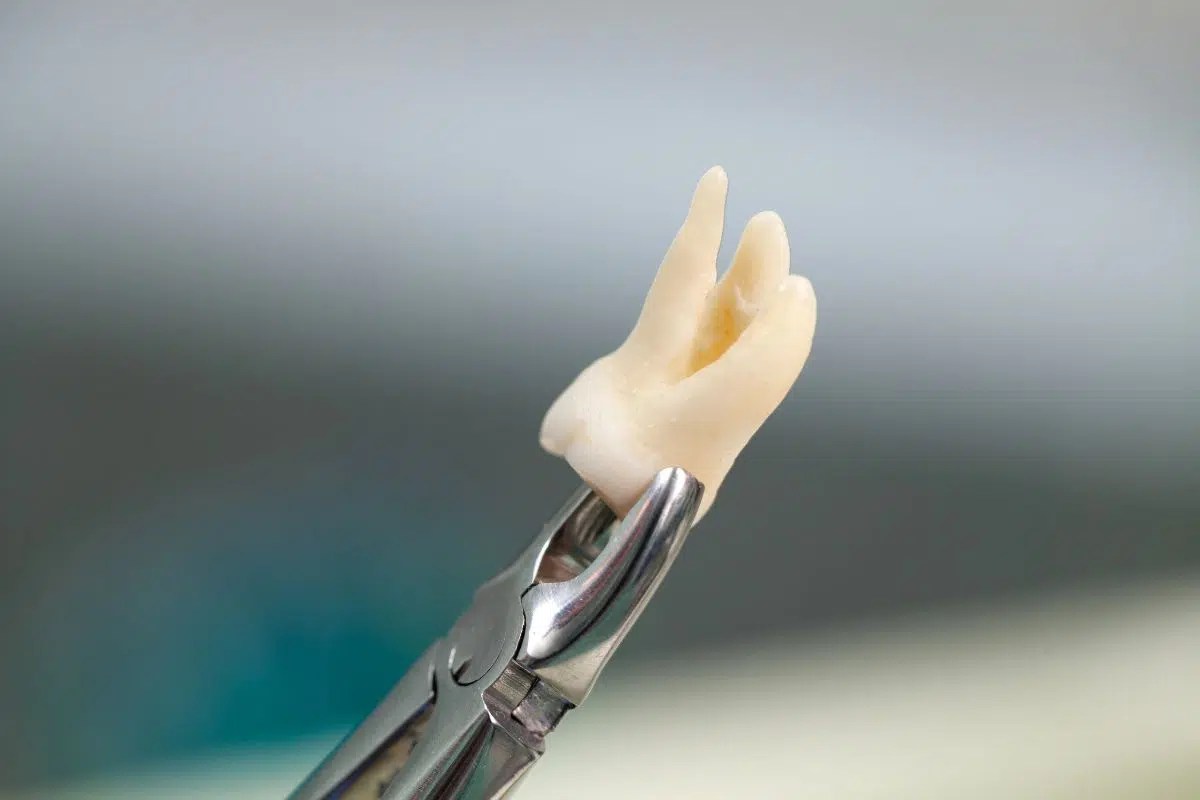
The consequential decision is not what replaces a lost tooth, it is how the tooth came out and what happened to the socket afterward. Here is what a biological extraction involves, why complete debridement matters, and what incomplete healing costs later.
When a tooth cannot be saved, attention naturally goes to what replaces it. The more consequential decision often happens earlier, in how the tooth is removed and what is done with the socket in the minutes afterward. That short window shapes how the bone heals, and bone that heals incompletely can cause problems for years without ever producing a symptom that points back to it.
This article explains what a biological extraction involves and why the technique matters. It features Dr. Toni Carr of Inspiring Smiles in Mansfield, Texas.
What is a biological extraction?
A biological extraction is a tooth removal performed with the goal of complete healing, using atraumatic technique to preserve surrounding bone, thorough debridement of the socket, and supportive therapies that reduce bacterial load and encourage regeneration.
The contrast is with a conventional extraction, where the objective is achieved once the tooth is out. Both remove the tooth. Only one treats the socket as a surgical site that needs actively managing.
The three elements that define the technique
Atraumatic removal
Conventional extraction often uses the surrounding bone as leverage to work a tooth loose, which damages the bone that will be needed later for healing or for an implant. Atraumatic technique instead eases the tooth out along its own axis using specialized instruments, sometimes sectioning a multi rooted tooth so each root can be removed separately. It takes longer, and it preserves the bone.
Complete debridement
This is the step most often skipped, and arguably the most important. The periodontal ligament is the fibrous tissue attaching a tooth root to the bone. When a tooth is removed, that ligament can remain lining the socket.
The concern in biologic dentistry is that a socket still lined with ligament may not receive the biological signal to fill in with new bone, since the bone reads the space as still occupied. The result can be a socket that closes over at the gum while the bone underneath remains incompletely healed. In biological extraction, the ligament and any infected tissue are deliberately and completely removed, so the socket is clean bone before anything else is done.
Supportive therapy
Ozone is applied to disinfect the site. Platelet rich fibrin, made from a small sample of the patient's own blood spun in a centrifuge, is packed into the socket to provide a scaffold and a concentrated source of growth factors. Some cases also use grafting material or laser treatment, depending on the site.
Why incomplete healing matters later
A socket that does not fill in properly can leave an area of compromised bone, sometimes called a cavitation. These areas are often symptom free and are frequently invisible on conventional flat x-rays, which is why they are commonly discovered years later during 3D imaging taken for an unrelated reason.
The practical consequence is straightforward. If an implant is planned for that site, the bone has to be sound. If it is not, the site needs surgical cleaning and regeneration before reconstruction can proceed, which adds time, cost and another procedure. Doing the extraction properly the first time is by a wide margin the cheaper path.
What to expect on the day
- 3D imaging beforehand to assess the root anatomy, bone and any existing infection
- A small blood draw for PRF preparation, usually while you are being made comfortable
- Local anesthesia, with sedation available depending on the case and the practice
- Atraumatic removal of the tooth, sectioned if it has multiple roots
- Thorough debridement of the socket, removing ligament and any infected tissue
- Ozone application to disinfect
- PRF, and grafting material if indicated, placed into the socket
- Closure and a clear set of aftercare instructions
Supporting the body around the procedure
Extraction is a surgical event, and preparation improves how the body meets it. Nutritional support beforehand, attention to inflammation, and a considered recovery plan afterward all contribute. This sits in coaching territory rather than chairside work, and it is worth arranging before the appointment rather than scrambling afterward.
Practice highlight: Inspiring Smiles, Dr. Toni Carr DDS Mansfield, Texas
Inspiring Smiles is a Mansfield, Texas practice built around whole body wellness, where holistic dentistry meets genuine, faith guided care.
Dr. Toni Carr, DDS, holds IAOMT and IABDM credentials and is listed with the Holistic Dental Association. She and her team look beyond the tooth in front of them, using biocompatible materials and gentle, minimally invasive technique to treat the root cause of dental issues rather than only the symptoms.
The practice's range runs from routine cleanings and cosmetic work through specialized services including mercury safe amalgam removal, ozone therapy and biological extractions, with every visit designed to support the body's natural ability to heal. That grouping is worth noting, since biological extraction and ozone therapy belong together in exactly the way this article describes.
Patients come to Inspiring Smiles for healthier smiles and stay for the warm, honest, judgment free experience. For a procedure many people approach with real apprehension, the character of the practice is not a secondary consideration.
Registered specialties cover airway, sleep and orthodontics, biocompatibility, cosmetic and aesthetic care, exams and prevention, oral surgery, extractions and implants, periodontal and soft tissue, regenerative therapies, and restorative and prosthetics.
View the full directory listing here:
https://orabiologics.com/vetted-practices/inspiring-smiles
Inspiring Smiles is a vetted OraBiologics practice. Visit the full directory listing to see the doctors, the services it was verified for, and to request an appointment. Free membership opens the listing, and it is free to create an account.
Questions to ask before an extraction
- Do you perform biological extractions, and what does that include in your practice?
- Will the periodontal ligament be fully removed from the socket?
- Do you use ozone and PRF, and will they be used in my case?
- Will you take a 3D scan beforehand?
- What is the plan for the site afterward, and does it affect future implant options?
- How should I prepare nutritionally, and what does recovery look like?
Frequently asked questions
What makes an extraction biological?
Atraumatic removal that preserves surrounding bone, complete debridement of the socket including the periodontal ligament, and supportive therapies such as ozone and PRF to reduce bacterial load and support regeneration.
Why must the periodontal ligament be removed?
Biologic practice holds that a socket still lined with ligament may not receive the signal to regenerate bone, which can leave the site incompletely healed beneath gum tissue that has closed over.
What is a cavitation?
An area of compromised, incompletely healed bone, most often found at old extraction sites. It is frequently symptom free and typically requires 3D imaging to identify.
Does a biological extraction cost more?
It usually takes longer and includes additional therapies, so fees can be higher than a conventional extraction. Weigh that against the cost of surgically correcting a poorly healed site later.
Can I have a biological extraction if the tooth is already infected?
Infection is common in teeth requiring removal and is one reason thorough debridement and disinfection matter. Your provider will assess the site and may adjust the sequence accordingly.
Finding a provider
Extraction technique is not something most patients think to ask about in advance, and it is one of the decisions that quietly determines what remains possible later. Every practice in the OraBiologics directory has been vetted against biologic protocol standards, and free membership opens the full network, the resource library and the live Ask The Experts sessions.
If you have an extraction scheduled and want to prepare properly, health coaching covers surgical preparation and recovery, and an Oral Wellness Review can give you a second read on the plan itself.
Membership
Go deeper with member-only resources
Access webinars, coaching, and curated wellness guidance backed by our vetting standards.