Journal
LANAP Laser Gum Treatment: A Less Invasive Path Through Gum Disease
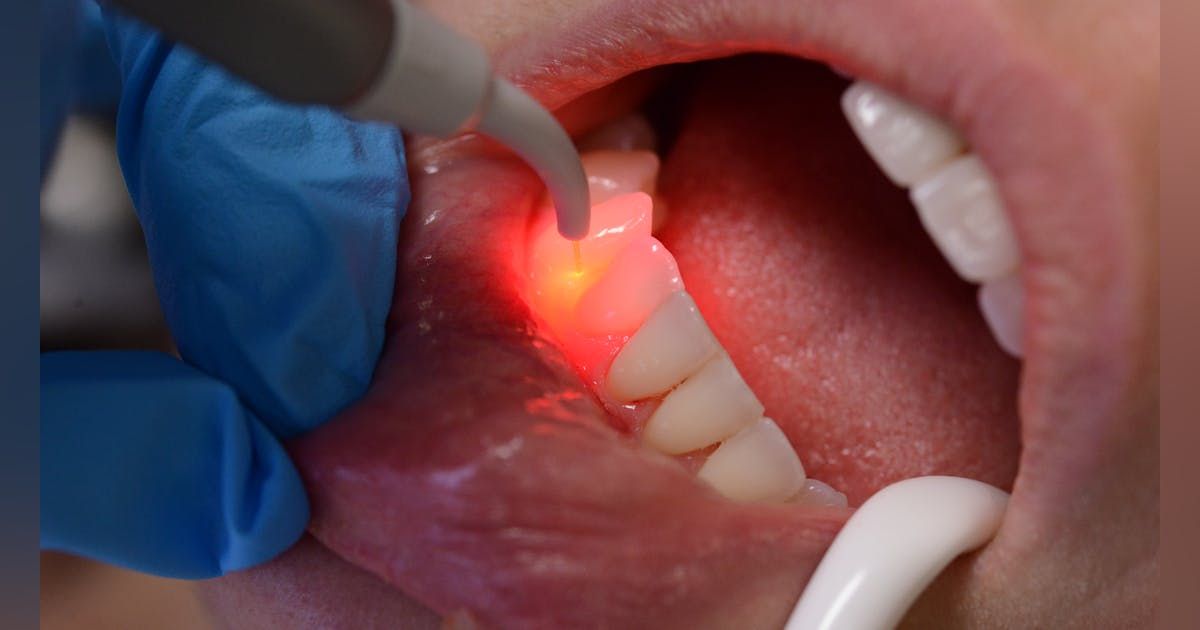
Conventional gum surgery means incisions, sutures and weeks of recovery, and many patients delay because of it. LANAP is an FDA cleared laser protocol that treats periodontal disease without cutting. Here is how it works and what recovery involves.
Being told you need gum surgery tends to land badly, and for understandable reasons. The conventional image involves cutting the gums, folding them back, cleaning the root surfaces underneath, and stitching everything closed again, followed by a recovery measured in weeks. Many patients delay, and gum disease is not a condition that rewards delay.
This article explains laser gum treatment as an alternative approach, what LANAP is, and how it compares with conventional surgery. It features Gateway Biologic Dentistry in St. George, Utah, and Dr. Matthew Geddes and Dr. Andy Mohlman.
What is periodontal disease?
Periodontal disease is a chronic bacterial infection of the tissues supporting the teeth, including gum, ligament and bone. It progresses from gingivitis, which is inflammation of the gum tissue alone and is reversible, to periodontitis, in which the supporting bone begins to be lost. Bone loss does not reverse on its own.
It matters beyond the mouth. The bacteria involved and the inflammatory response they provoke have been studied for their associations with cardiovascular disease, diabetes and other systemic conditions, which is why biologic practices treat gum disease as a whole body issue rather than a local one.
What is LANAP laser gum treatment?
LANAP stands for Laser Assisted New Attachment Procedure. It is an FDA cleared protocol that uses a specific wavelength of laser light to treat periodontal disease without cutting the gum tissue away from the tooth.
The laser is passed between the gum and the tooth into the periodontal pocket. It targets diseased tissue and bacteria while leaving healthy tissue intact, which is the property that makes the procedure possible. The root surface is then cleaned, and the laser is used again to form a stable clot that seals the pocket, allowing the tissue to reattach to the root.
How it differs from conventional surgery
The difference is what is not done. Conventional flap surgery requires incising and reflecting the gum tissue, then suturing it back. LANAP involves no scalpel incision and no sutures, so there is far less to recover from. Gateway Biologic Dentistry reports a recovery window of roughly twenty four to forty eight hours, compared with weeks for traditional methods.
There is a second difference. Conventional surgery frequently addresses pocket depth by removing gum tissue, which can leave teeth looking longer and more sensitive afterward. The laser approach aims to preserve tissue and encourage reattachment instead.
What to expect
- Assessment with full periodontal charting and imaging to establish where the disease has reached
- Treatment usually completed across one or two appointments, often by half of the mouth at a time
- Local anesthesia, with most patients reporting the experience as comfortable
- A soft diet for a short period afterward while the seal stabilizes
- A follow up maintenance schedule, since periodontal disease is chronic and managed rather than cured
That final point deserves emphasis. No procedure, laser or conventional, ends the need for maintenance. What treatment does is halt active progression and create conditions in which good ongoing care can hold ground.
Where it fits in biologic practice
Laser gum therapy sits naturally alongside the other tools biologic practices use for periodontal care, including ozone to reduce bacterial load, salivary testing to identify which specific organisms are present, and nutritional support for the inflammatory picture. The laser addresses the infected site directly. The supporting measures address the environment that allowed the infection to establish, and both halves are needed.
Practice highlight: Gateway Biologic Dentistry, St. George, Utah
Gateway Biologic Dentistry serves St. George, Utah, with a practice built entirely around the connection between oral health and whole body wellness. Dr. Matthew Geddes, DDS, and Dr. Andy Mohlman, DDS, bring advanced training and continuing specialized certification to every part of care, from diagnostics through treatment.
The practice offers LANAP, described above, through Dr. Mohlman, who is LANAP certified and focuses on periodontal regeneration and minimally invasive gum care. Alongside it, Gateway provides SMART certified mercury safe amalgam removal, following the Safe Mercury Amalgam Removal Technique set out by the IAOMT, and places ceramic zirconia implants exclusively for metal free tooth replacement.
Gateway Biologic Dentistry has built a reputation combining rigorous biologic standards with an attentive patient experience, reflected in a 4.9 star average across more than 550 patient reviews. Its registered specialties span airway, sleep and orthodontics, biocompatibility, cosmetic and aesthetic care, exams and prevention, oral surgery, extractions and implants, periodontal and soft tissue, regenerative therapies, and restorative and prosthetics.
Gateway Biologic Dentistry is a vetted OraBiologics practice. Visit the full directory listing to see the doctors, the services it was verified for, and to request an appointment. Free membership opens the listing, and it is free to create an account.
Questions to ask about laser gum treatment
- Is the laser protocol you use FDA cleared for this purpose, and which one is it?
- How advanced is my gum disease, and what do the pocket measurements show?
- How many appointments will treatment take?
- What does the maintenance schedule look like afterward?
- Do you use ozone or salivary testing alongside laser treatment?
- What happens if pockets do not respond as hoped?
Frequently asked questions
Is laser gum treatment painful?
It is performed under local anesthesia and most patients describe it as comfortable, with markedly less post operative discomfort than conventional flap surgery.
How long is recovery from LANAP?
Gateway Biologic Dentistry reports approximately twenty four to forty eight hours, compared with weeks for traditional surgical methods. Individual recovery varies with the extent of treatment.
Can laser treatment regrow lost bone?
The LANAP protocol is designed to support new attachment between tissue and root. Regenerative outcomes vary by case and depend on how much support has already been lost, so ask your provider what is realistic for your specific situation.
Is gum disease curable?
It is a chronic condition that is managed rather than cured. Treatment halts active progression, and ongoing maintenance is what keeps it stable.
Why do biologic dentists treat gum disease as a whole body concern?
Because the bacteria involved and the inflammatory response they trigger have been studied for their associations with cardiovascular disease, diabetes and other systemic conditions. The infection does not stay neatly in the mouth.
Finding a provider
Laser periodontal therapy requires specific equipment and certification, so it is not available everywhere. Every practice in the OraBiologics directory has been vetted against biologic protocol standards, and free membership opens the full network, the resource library and the live Ask The Experts sessions.
If you have been told you need gum surgery and want to understand your alternatives before agreeing, an Oral Wellness Review provides an independent perspective.
Membership
Go deeper with member-only resources
Access webinars, coaching, and curated wellness guidance backed by our vetting standards.