Journal
Dental Materials to Understand: Mercury, Fluoride, BPA and Bis-GMA
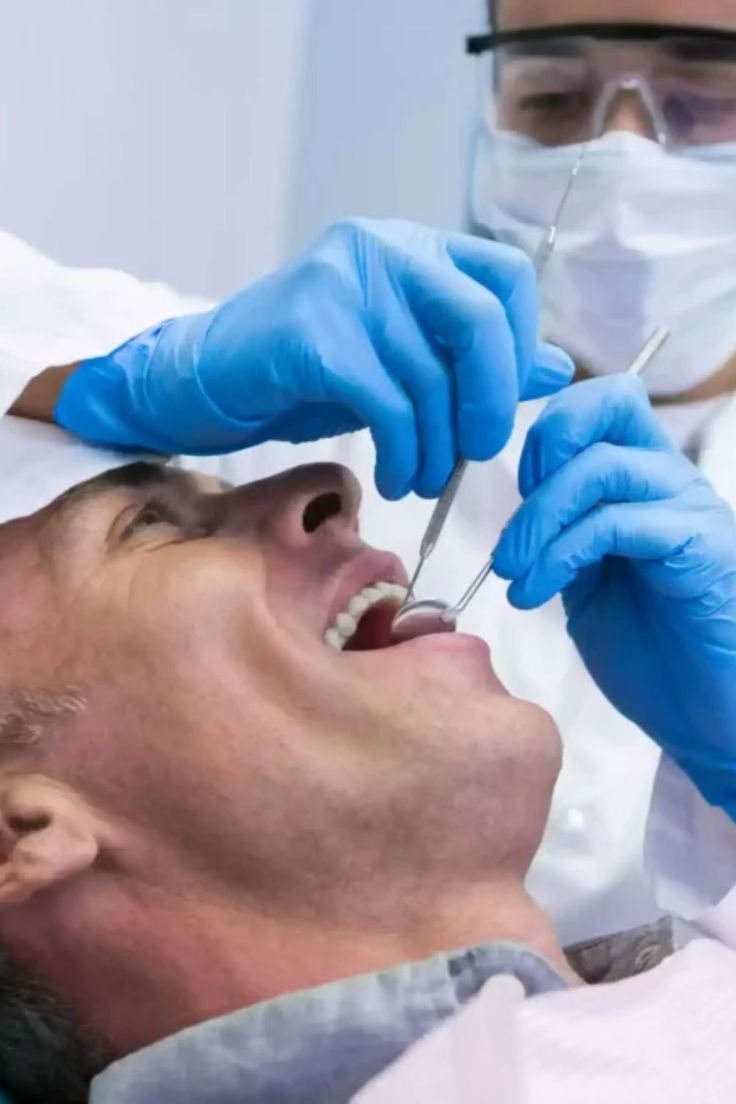
Dental materials stay in place for decades, against absorptive tissue, under daily heat and pressure. Here is a clear look at four material categories biologic dentistry scrutinizes, and how Pure Dental in Naples built its whole clinical environment around reducing exposure.
Patients are used to asking what a dental procedure will cost and how long it will take. Fewer think to ask what the material is made of, even though that material will sit against living tissue, in a warm and wet environment, for years or decades. It is one of the few substances a person carries continuously without ever having chosen it deliberately.
This article looks at four material categories that come up repeatedly in biologic dentistry: mercury, fluoride, BPA and Bis-GMA. It also features Pure Dental in Naples, Florida, and Dr. Josephine Perez, a practice that has built its clinical environment around reducing exposure.
Why dental materials get particular scrutiny
Dental materials are unusual in three ways. They stay in place for a very long time. They sit in constant contact with mucosa, saliva and bone, which are absorptive tissues. And they are subject to heat, pressure, acidity and abrasion every day, all of which affect how a material behaves over time.
Biologic dentistry's position is not that every conventional material is dangerous. It is that a material's effect on the whole body belongs in the selection criteria alongside strength, esthetics and cost, and that where a lower risk option performs the same clinical job, it should be the default.
Mercury in amalgam fillings
Amalgam, the silver colored filling material, is roughly half mercury by weight. Mercury is a known neurotoxin, and the debate in dentistry has centered on how much is released from a set filling and whether that amount matters.
What is not in dispute is that release increases with heat and friction. Chewing, grinding, hot drinks and, most significantly, drilling all raise it. This is why the removal procedure, rather than the filling sitting undisturbed, is the moment of highest exposure, and why a protective removal protocol is not optional in a biologic practice.
The practical distinction for patients is between a practice that is mercury free, meaning it no longer places amalgam, and one that is mercury safe, meaning it follows a defined protective protocol when removing it. The second is the meaningful one.
Fluoride
Fluoride is the most contested item on this list, and worth stating plainly: it is used because it hardens enamel and reduces decay, and that effect is real. The biologic concern is not with that mechanism but with cumulative systemic exposure, since fluoride arrives from water supply, toothpaste, rinses and professional applications together rather than from dentistry alone.
Biologic practices generally offer fluoride free preventive options and focus on the factors that drive decay in the first place: bacterial balance, saliva quality, diet, acid exposure and breathing patterns. Whichever position a patient takes, it should be an informed choice made with a provider willing to discuss it rather than a default applied without mention.
BPA and Bis-GMA in composite materials
Bisphenol A, known as BPA, and Bis-GMA, a bisphenol A derivative used as a resin base, appear in many tooth colored composite filling materials and sealants. BPA is studied as an endocrine disruptor, meaning it can interfere with hormone signalling.
Release from set dental composite is generally low and highest in the period immediately after placement, which is why careful finishing and thorough rinsing at the appointment matter. BPA free and Bis-GMA free composite alternatives are available, as are ceramic restorations that avoid resin chemistry entirely. A biologic practice should be able to tell you the brand and composition of what it is about to place, and if it cannot, that is worth noticing.
How biocompatibility testing changes the conversation
General material categories only take a patient so far, because reactivity is individual. Biocompatibility testing screens a patient's own immune reactivity against the chemical components in dental materials and produces a report of what suits that person specifically. For anyone managing autoimmune conditions, chronic inflammation or a history of unexplained reactions, testing turns material selection from a philosophical debate into a personal answer.
Practice highlight: Pure Dental, Naples, Florida
Pure Dental takes a natural, biologic approach to dentistry that prioritizes whole body wellness and patient safety, tailoring treatment to the individual using the least toxic methods available and supporting them with pure alternatives.
What distinguishes the practice is how far the philosophy extends past the filling itself and into the clinical environment. Pure Dental uses organic, non GMO products for sanitizing and moisturizing, including essential and ozonated medical grade oils. Specialized air purification systems run twenty four hours a day. Ozonated water, made fresh daily, flows through all dental equipment and water lines, which addresses a contamination route most patients never think about.
On diagnostics, the practice uses Cone Beam CT scanning and digital radiography, along with supplements to help mitigate ionizing radiation.
Pure Dental is explicit about materials, recognizing that many conventional dental materials including mercury, fluoride, BPA and Bis-GMA may carry hidden risks. Its stated mission is to eliminate toxic materials wherever possible, and where they must be dealt with, to use strict biologic protocols to control, minimize and safely eliminate exposure for both the team and the patient. That inclusion of the clinical team is telling, since a protocol built to protect staff across a career is generally a thorough one.
Dr. Josephine Perez, DMD, is a Certified Biological Dentist through the IABDM, and the practice follows the SMART and PROTECT protocols for mercury removal.
Pure Dental is a vetted OraBiologics practice. Visit the full directory listing to see the doctors, the services it was verified for, and to request an appointment. Free membership opens the listing, and it is free to create an account.
Questions to ask about materials
- What exactly is this material, and can you tell me the brand and composition?
- Is it BPA free and Bis-GMA free?
- Do you offer biocompatibility testing before placing restorative materials?
- What metal free options exist for my case?
- If you are removing amalgam, what protective protocol do you follow?
- What alternatives to fluoride do you offer for prevention?
Frequently asked questions
Are amalgam fillings dangerous if left in place?
This remains debated. What is established is that mercury release rises with heat and friction, which is why the removal procedure is the highest exposure moment and why protocol matters most there. Whether and when to replace existing fillings is a decision to make with a provider who knows your health history.
Is composite always safer than amalgam?
Composite avoids mercury but introduces resin chemistry, which is why BPA free and Bis-GMA free formulations and ceramic alternatives exist. Every material involves trade offs, and the honest answer depends on the tooth and the patient.
What does biocompatibility testing actually tell me?
It reports your individual immune reactivity to the chemical components in dental materials, so selection is based on your own results rather than general assumptions about a material category.
Do biologic dentists refuse to use fluoride?
Many offer fluoride free preventive options and emphasize addressing the causes of decay. Approaches vary by practice, so ask directly rather than assuming a uniform position.
Why does a practice ozonate its water lines?
Dental unit waterlines can harbor bacterial biofilm. Running ozonated water through them addresses contamination in the water that reaches the patient during treatment, which is a route most people never consider.
Finding a provider
Material transparency is one of the clearest signals of a genuinely biologic practice, because it requires the practice to know and disclose exactly what it uses. Every practice in the OraBiologics directory has been vetted against biologic protocol standards, and free membership opens the full network, the resource library and the live Ask The Experts sessions.
If you want help interpreting biocompatibility results or planning material replacement in sequence, an Oral Wellness Review or a health coaching session is the right place to start.
Membership
Go deeper with member-only resources
Access webinars, coaching, and curated wellness guidance backed by our vetting standards.