Journal
The Comprehensive Diagnostic Exam: What a Root Cause Dental Workup Looks Like
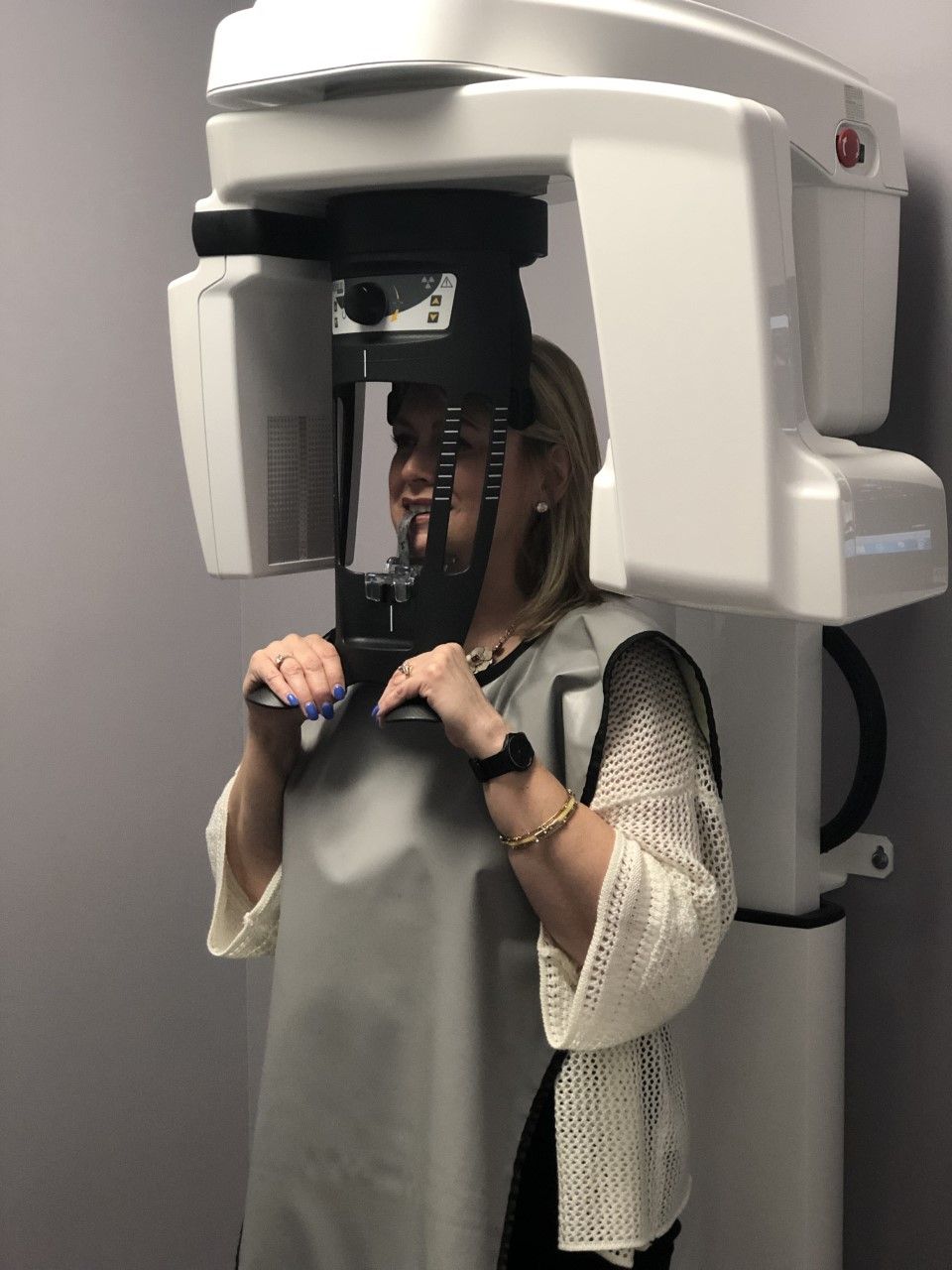
A routine checkup answers one narrow question well. A comprehensive biologic exam assesses teeth, bite, jaw joints, airway, existing materials and medical history together, so patterns become visible. Here is everything it covers and how to prepare.
A standard dental checkup answers a narrow question well: has anything broken since last time. It is efficient, it is familiar, and it will reliably find a cavity. What it is not designed to find is the reason the cavity appeared, or the pattern connecting three separate problems a patient has been told are unrelated.
This article explains what a comprehensive biologic diagnostic exam includes and how it differs from a routine checkup. It features Green City Dental in Edmonds, Washington, a practice whose comprehensive diagnostic exam has become the thing patients seek it out for.
What is a comprehensive biologic dental exam?
A comprehensive biologic dental exam is an extended assessment that evaluates teeth, gums, bite, jaw joints, airway, dental materials already present and relevant medical history together, with the goal of identifying root causes rather than cataloguing individual repairs.
The clearest difference is time. A routine checkup is often built around a fifteen to twenty minute clinical slot. A comprehensive exam is typically an hour or more, because the questions being asked cannot be answered faster.
What the exam actually covers
Full medical and health history
Not only dental history. Autoimmune conditions, digestive issues, chronic inflammation, sleep quality, headaches, fatigue and medications all inform how the oral findings are read, and sometimes explain them.
Existing dental materials inventory
A record of what is already in the mouth: amalgam fillings, crowns and their composition, implants and their material, prior root canal treated teeth, and any history of extraction sites. This inventory is frequently the first time a patient sees their own dental history assembled in one place.
Airway and breathing assessment
Evaluation of the airway, tongue posture, palate shape and any signs of mouth breathing or disrupted sleep. Airway problems shape facial development, bite and sleep quality, and they are routinely missed when the exam looks only at teeth.
Bite, jaw joint and muscle evaluation
How the teeth meet, how the jaw joints move, and whether the muscles show signs of clenching or grinding. This is where unexplained tooth fractures, worn enamel and certain headache patterns often find their explanation.
Periodontal assessment
Detailed measurement of gum pocket depths, recession and inflammation, which establishes a baseline that future visits can be compared against.
Advanced imaging
3D imaging where indicated, which shows bone quality, areas of compromised bone, sinus involvement and airway dimension that a flat x-ray cannot resolve.
Soft tissue and oral cancer screening
Examination of the tongue, cheeks, palate, throat and neck.
Bacterial and biocompatibility testing where indicated
Salivary diagnostics to identify specific bacterial species, and biocompatibility testing where materials are going to be selected.
Why root cause matters more than the list of repairs
Consider a patient with recurring decay, morning headaches and gums that bleed despite careful brushing. Treated as three problems, that produces three separate treatments and no resolution. Assessed together, a picture can emerge in which chronic mouth breathing has dried the mouth and removed saliva's buffering effect, contributing to both the decay and the gum inflammation, while nighttime clenching related to a compromised airway explains the headaches.
That is one plausible pattern, not a diagnosis, and only a proper examination can establish what is actually happening in a given person. The point is structural: the comprehensive exam is what makes such a pattern visible at all. Without it, each finding stays in its own box.
Practice highlight: Green City Dental, Edmonds, Washington
Green City Dental describes its purpose in unusually direct terms. The practice states that it is not just about fixing teeth, and that it treats the patient as a whole person rather than a set of teeth, with a holistic approach that goes beyond the drill to address the root cause of issues rather than simply managing symptoms.
Its comprehensive diagnostic exam, which the practice calls renowned, is offered alongside personalized treatment planning built around each patient's lifestyle, goals and individual needs. The stated aim is to empower patients to live the healthy life they deserve, which is a philosophy that only works if the diagnostic groundwork is genuinely thorough.
Green City Dental has clinical depth that supports that breadth. Three doctors practice there: Dr. Rebecca Taylor, DDS, the practice founder, board certified in Integrative Biologic Dental Medicine; Dr. Isabel Perez, a biological dentist trained in ceramic implant surgery, ozone therapy and PRF; and Dr. Janette Carroll, DDS, SMART certified through the IAOMT. Between them the practice covers airway, sleep and orthodontics, biocompatibility, cosmetic and aesthetic care, exams and prevention, oral surgery, extractions and implants, periodontal and soft tissue, regenerative therapies, and restorative and prosthetics.
Green City Dental is a vetted OraBiologics practice. Visit the full directory listing to see the doctors, the services it was verified for, and to request an appointment. Free membership opens the listing, and it is free to create an account.
How to prepare for a comprehensive exam
- Bring a complete medication and supplement list, including anything taken occasionally
- Request records and recent x-rays from previous dental offices in advance
- Write down symptoms that seem unrelated to your teeth, including sleep quality, headaches, jaw noises and fatigue
- Note what you know about your dental history, particularly the age of older fillings and crowns
- Ask beforehand how long the appointment will take and what it includes, so expectations match
Frequently asked questions
How long does a comprehensive biologic dental exam take?
Typically an hour or more, compared with fifteen to twenty minutes for a routine checkup. Some practices split it across two visits when testing is involved.
Is a comprehensive exam covered by dental insurance?
Coverage varies considerably and often does not extend to the full scope, particularly testing and 3D imaging. Ask the practice for a written breakdown before booking.
Why is the airway assessed during a dental exam?
Because airway function affects facial development, bite, sleep quality and the oral environment, including how dry the mouth becomes. Dentists are well positioned to spot the structural signs.
Do I need a comprehensive exam if my teeth feel fine?
It is most valuable as a baseline, and a baseline established while things are stable is more useful than one taken during a crisis. It is also the natural starting point before major treatment.
What happens after the exam?
You should receive findings explained in plain terms and a sequenced treatment plan showing what is urgent, what is elective and what can be monitored. If you do not receive that, ask for it.
Finding a provider
A comprehensive exam is the natural first step into biologic care, and it is the appointment that determines the quality of everything after it. Every practice in the OraBiologics directory has been vetted against biologic protocol standards, and free membership opens the full network, the resource library and the live Ask The Experts sessions.
If you have already had a comprehensive exam elsewhere and want help interpreting the findings, an Oral Wellness Review is designed for exactly that conversation.
Membership
Go deeper with member-only resources
Access webinars, coaching, and curated wellness guidance backed by our vetting standards.