Resource Libraries
Bulimia, Reflux and Teeth Damage: When Acid Meets Enamel
How stomach acid from bulimia, silent reflux and vomiting conditions erodes enamel, why teeth keep breaking down despite care, and how dentistry can help.
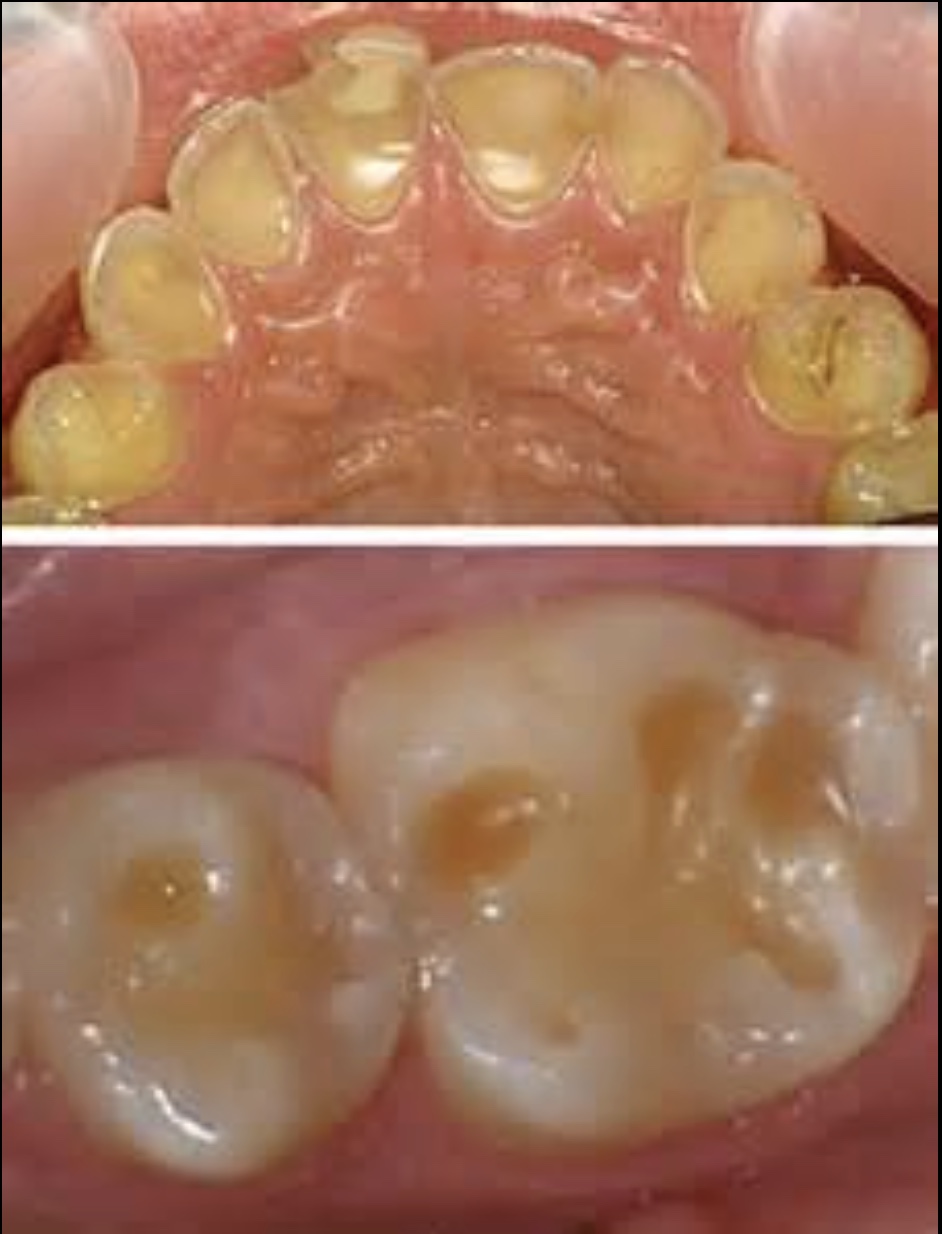
When Acid Meets Enamel - Eating Disorders, Reflux, Vomiting Syndromes, and Oral Health
1. The Common Thread: Acid Exposure, Not Intent
One of our group members made a post about having had an eating disorder when she was younger and now she needed a lot of dental work and wanted to know what her options were. It occurred to me that this was NOT a topic I had covered before. This is the kind of question I love, not just because it gets my creative juices flowing, but also because it helps me to bring an issue to light as well as inform and educate many. Deep dives also help me to show people they are not alone, that there are different reasons things happen, and that our goal is never going to be about shame within this platform. There are simply too many variables in life to point fingers, and nothing is as black and white as it seems.
Teeth are exposed to acid for many reasons. Some are behavioral. Some are medical. Some are neurologic or autonomic. From a tooth’s perspective, the cause doesn't matter. Stomach acid has a pH of roughly 1–2. Tooth enamel begins to dissolve at about pH 5.5. Every episode of vomiting or reflux creates conditions that chemically dissolve tooth structure. Teeth do not “adapt” to acid. They erode. Also, the more a person vomits - whatever the CAUSE of the vomiting - the more the sphincter between the stomach and the esophagus doesn't properly close. This section exists to make one point clear: oral damage from acid is a chemistry problem, not a character problem. Here is a study that discusses that.
Valena V et al.
PMID: 12139263
https://pubmed.ncbi.nlm.nih.gov/12139263/
This study showed that acid coming from inside the body (vomiting or reflux) creates specific erosion patterns on teeth. These patterns differ from diet-related acids and help dentists recognize intrinsic acid exposure as the cause.
2. Eating Disorders and the Mouth: What Repeated Vomiting Does Biologically
Eating disorders that involve vomiting or purging expose teeth to repeated intrinsic acid attacks—meaning acid that comes from the stomach rather than from food. Stomach acid is not just “acidic.” It is extremely acidic, and it contains enzymes (like pepsin) designed to break down protein. Teeth and oral tissues were never meant to face that chemistry on repeat.
Over time, repeated acid exposure can lead to:
Enamel thinning and softening
Acid doesn’t just “stain” or “roughen” enamel. It dissolves mineral out of the enamel surface. The enamel becomes softer and thinner, which makes it less protective and less resistant to normal chewing forces.Dentin exposure (sensitivity + faster wear)
Once enamel thins, the underlying dentin is exposed. Dentin is naturally softer than enamel and wears down faster. That’s why sensitivity often shows up early—and why damage can accelerate once dentin is involved.Higher fracture and chipping risk
Eroded teeth are structurally weaker. Add normal bite pressure (or clenching/grinding, which is common under stress), and teeth can begin to chip, crack, or break more easily—sometimes even when someone feels like they’re “not doing anything wrong.”Reduced saliva flow and buffering
Saliva isn’t just “wetness.” It’s the mouth’s main chemical defense system. It dilutes acid, buffers pH back toward neutral, and carries minerals (like calcium and phosphate) that help slow damage and support remineralization of early enamel softening.Oral soft-tissue irritation and salivary gland changes
Repeated acid exposure can irritate the palate, throat, and tongue, and it may contribute to swelling or discomfort of salivary glands in some patients.
Here’s the key concept: your saliva is your built-in rescue system after an acid event. Many people with eating disorders have reduced saliva flow, which means less neutralization, less mineral repair, and a longer “acid recovery time” inside the mouth.
Most importantly: none of this is a moral story. It’s biology. Teeth respond to chemistry—period.
Saliva is the mouth’s main defense against acid. Many people with eating disorders have reduced saliva flow, which means less neutralization and less repair after acid exposure. Importantly, these findings are biologic consequences, not evidence of poor hygiene or neglect. Also of importance is that many people who have eating disorders take antidepressants and anti-anxiety agents, which also have a side effect of dry mouth. Combine the two and it creates a perfect storm of issues. For more information on the oral side effects of pharmaceuticals, as well as the rare consequences of them, here are some useful links:
Pharmaceuticals and their Oral Effects
Medications & Your Mouth: Why “I’m doing everything right” can still end in decay, erosion, gum changes, or weird symptoms: https://www.orabiologics.com/resource-library/medications-%26-your-mouth%3A--why-%E2%80%9Ci%E2%80%99m-doing-everything-right%E2%80%9D-can-still-end-in-decay%2C-erosion%2C-gum-changes%2C-or-weird-symptoms
The Ethics of Informed Consent in High-Risk Medications - Rare Does Not Mean Trivial https://www.orabiologics.com/resource-library/the-ethics-of-informed-consent-in-high-risk-medications---rare-does-not-mean-trivial
As for the scientific studies regarding dental consequences of eating disorders, here are some interesting links:
1. Uhlen MM et al. PMID: 25069878
https://pubmed.ncbi.nlm.nih.gov/25069878/
People who self-induce vomiting have a high rate of dental erosion, often affecting many teeth. Damage commonly appears where stomach acid contacts teeth, supporting vomiting as a major risk factor for enamel loss.
2. Rytömaa I et al.
PMID: 9537733
https://pubmed.ncbi.nlm.nih.gov/9537733/
Compared with healthy controls, people with bulimia nervosa had more severe tooth erosion and more cavities. Many also had reduced saliva flow, which helps explain higher erosion and decay risk.
3. Milosevic A et al.
PMID: 8877090
https://pubmed.ncbi.nlm.nih.gov/8877090/
This study found that people with bulimia nervosa had significantly lower saliva flow than healthy individuals. Reduced saliva makes it harder for teeth to neutralize acid and repair early damage.
4. Romanos GE et al.
PMID: 22750232
https://pubmed.ncbi.nlm.nih.gov/22750232/
This review describes common oral findings in eating disorders, including erosion, dry mouth, burning sensations, and salivary gland swelling. It highlights that dental signs may appear before a patient discloses an eating disorder.
5. Valeriani L et al.
PMID: 38915100
https://pubmed.ncbi.nlm.nih.gov/38915100/
A systematic review showing eating disorders are linked with dental erosion, saliva changes, and other oral health problems. The authors emphasize the importance of early recognition without stigma.
What This Often Looks Like Clinically — and Why It Can Persist
Clinically, acid-related damage from eating disorders often follows a recognizable pattern, but it doesn’t always show up all at once. Many people first notice tooth sensitivity, especially to cold or sweet foods. Others notice that their teeth seem to be wearing down, chipping more easily, or looking more translucent at the edges. Sometimes the changes are subtle enough that they’re missed for years—until a tooth fractures or restorations begin failing. One of the most confusing (and emotionally difficult) experiences for patients is realizing that dental damage can continue or become apparent long after the eating disorder itself is no longer active. This doesn’t mean someone is “doing something wrong now.” It reflects a few important realities:
Enamel loss is cumulative and irreversible
Damage that occurred years earlier may not cause symptoms right away. As enamel continues to thin, the tooth can eventually cross a threshold where sensitivity, wear, or fracture suddenly become noticeable.Once dentin is exposed, breakdown accelerates
Dentin wears faster than enamel. So even if acid exposure has decreased or stopped, previously weakened teeth can continue to deteriorate under normal chewing forces.Saliva changes may persist
Dry mouth related to medications, stress, autonomic imbalance, or past physiologic changes can continue to reduce the mouth’s natural protective capacity.Bite forces still apply
Normal function—and especially clenching or grinding—can overwhelm teeth that have already lost their structural “safety margin.”
This is why many people who feel long past the eating disorder phase of their life are surprised to suddenly need significant dental repair. The timeline doesn’t reflect failure or relapse. It reflects delayed consequences of earlier chemical injury finally becoming visible.
Understanding this helps reframe the conversation away from blame and toward appropriate, compassionate treatment planning—which is exactly where dentistry should step in to help.
3. GERD and LPR: Medical Acid Exposure Without Vomiting
Many patients experience significant acid exposure without vomiting at all. Gastroesophageal reflux disease (GERD) and laryngopharyngeal reflux (LPR) allow stomach contents—acid, enzymes, and sometimes bile—to travel upward into the esophagus and even the throat or mouth. What makes this especially tricky is that reflux does not always feel like reflux.
Some patients have classic symptoms such as heartburn or chest discomfort. Others have none of the symptoms people are taught to look for. This is sometimes referred to as “silent reflux.” Patients with silent reflux may have:
No heartburn
No nausea
Normal diets and oral hygiene
No awareness of acid exposure
And yet, their teeth still erode. In GERD and especially LPR, acid exposure often happens at night or in small, repeated episodes that never cause obvious discomfort but still lower the pH in the mouth. Even brief or low-volume exposures can be damaging when they happen repeatedly over time. Saliva flow is also naturally reduced during sleep, which further limits the mouth’s ability to neutralize acid and repair early damage.
From a dental standpoint, this can create a frustrating situation for patients: they’re doing “everything right,” they don’t feel reflux, and they may even have normal endoscopy results—yet their teeth are clearly being exposed to acid. This is why dentists are often among the first clinicians to suspect reflux. Enamel erosion, especially when it doesn’t match dietary habits or oral hygiene patterns, can serve as an early visible clue that acid is entering the mouth—sometimes years before a formal reflux diagnosis is made. Importantly, identifying reflux through dental findings isn’t about labeling or blaming. It’s about recognizing that the mouth is part of the digestive system—and sometimes it shows the consequences of reflux long before the rest of the body does.
A Complicating Reality: GERD Is Not Simple to Treat
It’s also important to acknowledge something many patients already know from lived experience: GERD is not an easy condition to treat, and there is no single approach that works for everyone.
In conventional medicine, reflux is often treated with proton pump inhibitors (PPIs) such as Nexium or Prevacid. These medications reduce the amount of acid the stomach produces. For many people, this can significantly reduce pain and irritation, and in certain situations—such as active esophagitis or ulceration—acid suppression can be medically appropriate.
However, PPIs are not without trade-offs.
Long-term PPI use has been associated in the medical literature with a variety of potential risks, including altered nutrient absorption, changes in the gut microbiome, increased susceptibility to certain infections, bone density concerns, kidney disease, and associations with increased cancer risk in some populations. Importantly, these are associations, not proof of direct causation—but they raise valid questions about long-term reliance on acid suppression as a default strategy.
This brings us to a deeper—and more controversial—question: Is reflux always a problem of too much stomach acid? Or is it sometimes a problem of the stomach–esophagus signaling system not working properly? Some clinicians and naturopathic practitioners propose that in certain patients, reflux may be related to insufficient stomach acid, rather than excess. The theory is that adequate stomach acid helps signal the lower esophageal sphincter (LES) to close properly. If stomach acid is too low, that signal may be weaker, allowing contents to move upward more easily.
Within that framework, strategies such as Betaine HCl or digestive support are sometimes used to increase stomach acidity, improve protein digestion, and potentially support better sphincter tone. The goal is not to eliminate acid—but to restore normal digestive signaling and function.
In contrast, PPIs reduce stomach acid further. While this often reduces the sensation of reflux, it can also impair protein digestion and nutrient absorption. Food may sit in the stomach longer, fermentation can increase, and pressure can build—sometimes contributing to continued reflux despite symptom suppression.
This raises a reasonable, patient-centered question: Is the underlying problem being corrected—or is the symptom simply being muted? The honest answer is that both models may be true in different people, and the science has not yet given us a one-size-fits-all explanation for GERD. I tend to be on the side of the more natural approaches to GERD, but at the end of the day, that doesn't fix the problem for my patients. I have a few patients that have severe GERD, and nothing we have done over the years has improved the situation. Reflux is influenced by anatomy, motility, nervous system regulation, medications, body position, stress, sleep, and digestion. That complexity is exactly why reflux can be so persistent—and why dental signs of acid exposure may continue even when symptoms seem controlled.
From a dental standpoint, the takeaway isn’t to tell patients which treatment they should choose. It’s to recognize that acid may still be reaching the mouth, whether reflux symptoms are obvious or suppressed, and to plan oral care accordingly—without judgment. But it's also important for those who have GERD to understand that if anyone understands their frustration, it's the dentist who does excellent work repairing teeth, only to come back 6 months later and yet another tooth or multiple teeth are breaking down. Having had patients in that position and been the frustrated dentist questioning my competency, my heart goes out to both parties.
Here are some of the studies associated with this:
1. Pace F et al.
PMID: 18373634
https://pubmed.ncbi.nlm.nih.gov/18373634/
This review found a strong link between GERD and dental erosion. About 24% of GERD patients had tooth erosion, and 32.5% of adults with tooth erosion had GERD. Worse erosion correlated with more severe acid exposure.
2. Picos A et al.
PMID: 30564013
https://pubmed.ncbi.nlm.nih.gov/30564013/
This review examines how stomach acid from GERD can damage tooth enamel, causing erosion. It discusses risk factors, clinical findings, and the importance of dentists recognizing GERD-related dental problems early.
3. Schroeder PL et al.
PMID: 7741364
https://pubmed.ncbi.nlm.nih.gov/7741364/
This study used 24-hour pH monitoring to objectively measure acid reflux and linked documented acid exposure with dental erosion. It supports the idea that measurable gastric acid reaching the mouth can directly cause tooth damage.
4 ..Lechien JR et al.
PMID: 32797062
https://pubmed.ncbi.nlm.nih.gov/32797062/
This systematic review found that people with GERD or laryngopharyngeal reflux have more dental erosion and cavities than healthy people. The damage likely happens because reflux changes saliva's protective properties.
5 ..Wang J et al.
PMID: 39826062
https://pubmed.ncbi.nlm.nih.gov/39826062/
This 2025 systematic review showed adults with GERD or laryngopharyngeal reflux have significantly higher rates of dental erosion. People with tooth erosion also have higher rates of reflux disease, suggesting a strong two-way connection.
4. Cyclic Vomiting Syndrome and Other Medical Vomiting Disorders
Not all repeated vomiting is related to eating disorders. Conditions such as cyclic vomiting syndrome (CVS) or Hyperemesis Gravidarum (HG) can cause severe, repeated acid exposure over months or years. While HG can cause the same kind of damage that CVS can, it has not been studied in the literature. Therefore, I'm going to simply lump it in the category of non-self-induced vomiting and leave it at that. Cyclic vomiting syndrome is not a newly recognized condition—it was first described in the medical literature over a century ago. However, awareness and diagnosis have increased dramatically in recent decades, particularly in adults. The modern era of CVS recognition began in 1993 with the formation of the Cyclic Vomiting Syndrome Association, which catalyzed robust efforts in education, advocacy, scientific symposia, dedicated clinical programs, therapeutic guidelines, and research.[1] Prior to this, CVS was primarily considered a pediatric disorder and was significantly underdiagnosed in adults.
The past decade has witnessed a considerable increase in CVS diagnosed in adults. Originally thought to affect mainly children, CVS is now recognized to have a prevalence of approximately 2% in the United States adult population!! Those are not insignificant numbers! Despite this high prevalence, only a small fraction of individuals with CVS have received a formal diagnosis, and most patients experience years of diagnostic delays, extensive investigations, and even unnecessary surgical procedures before diagnosis.
Screening and treating comorbid conditions is essential for optimal outcomes. CVS frequently coexists with anxiety, depression, migraine headache, sleep disorders, and autonomic dysfunction. A large subset termed "migraine-equivalent CVS" displays strong clinical and genetic features of migraine, suggesting shared pathophysiology involving neuronal hyperexcitability and aberrant central modulation of autonomic signals. Complementary therapies including meditation, relaxation techniques, and biofeedback may improve overall well-being, though evidence is limited to consensus opinion. This leads me to believe that CVS may be a response to the increasing amounts of stress in the world, and it may be the equivalent of an abdominal migraine, since complementary therapies appear to be somewhat helpful. Not enough is known to be able to make definitive statements on this topic. CVS remains underdiagnosed and undertreated, with poor general awareness among clinicians being a key barrier to effective management.
These patients may experience:
Extreme enamel erosion
Tooth sensitivity and fractures
Dry mouth and gland swelling
Increased decay risk
Recognizing medical vomiting syndromes helps avoid mislabeling and ensures appropriate care. Here are some studies that discuss that.
Account required
Sign in to see more
Create an account or sign in to unlock the full list.