Resource Libraries
Dental Infection During Pregnancy: Risks to Your Baby
Why toughing out a dental infection during pregnancy is not a neutral choice, and how infection can affect a developing baby’s immune system.
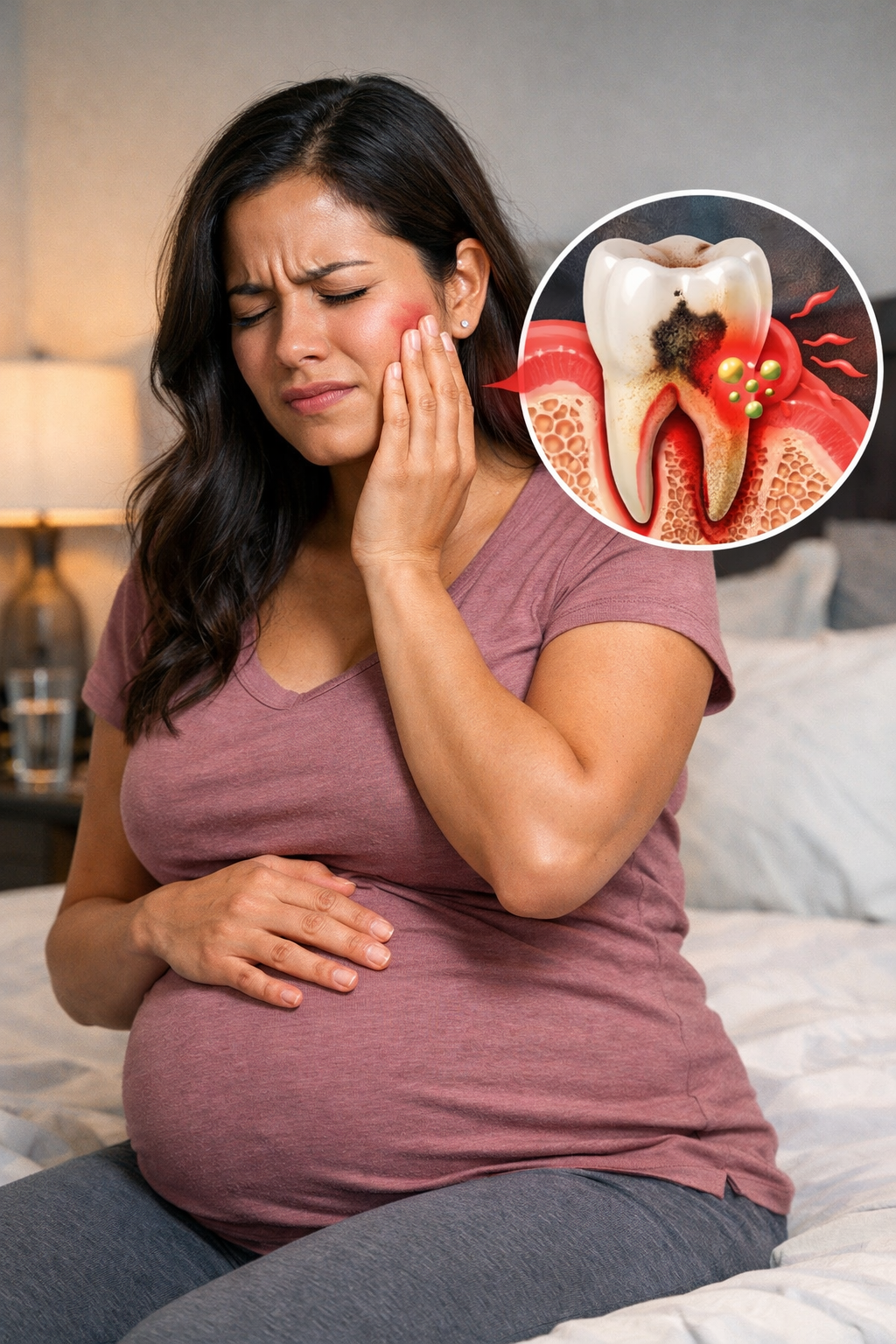
Short answer: No. An active dental infection is not something to wait out during pregnancy. Infection and inflammation in the mother can send signals that reach the developing baby, so infections are best treated before conception, or safely during pregnancy with your dentist and obstetrician working together.
Dental Infections, Pregnancy, and the Developing Immune System
Why “Toughing It Out” Is Not a Neutral Choice
This post began because of a question that arises frequently in this community. A woman asked whether she could “tough it out” through pregnancy with one, actually two, active dental infections. She wasn’t even pregnant yet, but was planning to be. She wanted to know whether waiting, avoiding antibiotics, or delaying dental treatment until after delivery was a reasonable option.
Short answer: no, and not because of fear, but because of physiology.
What a mother experiences during pregnancy doesn’t just affect her. It sends biochemical, immunologic, and neurologic signals to a developing baby. We don’t always know exactly how those signals will show up later, but we know they matter. And infection is not a neutral signal.
Why Maternal Infections Matter During Pregnancy
Pregnancy is not just about building a baby, it is about programming one. When a pregnant body is dealing with chronic infection, inflammation, pain, or immune activation, those signals don’t stay isolated. They influence the intrauterine environment, which plays a powerful role in shaping fetal immune development.
In simple terms:
If a mother’s immune system is constantly on high alert because it's fighting infection all the time, the developing baby receives the message that the world is dangerous, and that their immune system will need to overreact to survive.
That overreactive pattern can later show up as:
allergies
asthma
eczema
immune dysregulation
increased inflammatory responses
This doesn’t mean every child exposed to maternal illness will develop these issues. It does mean chronic, unmanaged infection increases risk.
What the Research Actually Shows (and Where the Gaps Are)
1. Maternal Microbiome & Immune Programming
A mother’s microbiome, particularly gut and oral microbiota, plays a role in shaping fetal immune development. Microbial metabolites and maternal antibodies can cross the placenta and influence whether the immune system develops tolerance or heightened reactivity.
https://pmc.ncbi.nlm.nih.gov/articles/PMC5711986/
This field is still developing, but the takeaway is clear: maternal microbial balance matters.
2. Maternal Infections & Antibiotic Exposure
Research suggests that maternal infections during pregnancy may increase the risk of infections in early childhood, which in turn can raise the likelihood of allergic conditions later on.
https://pubmed.ncbi.nlm.nih.gov/39512604/
Animal studies reinforce this concern, showing that infections confined to the mother during pregnancy can create lasting, tissue-specific immune changes in offspring.
https://pubmed.ncbi.nlm.nih.gov/34446580/
Again, this is not about panic. It’s about understanding that unmanaged infection is not benign.
3. Periodontal Disease During Pregnancy
This is where dentistry becomes especially relevant.
Multiple studies suggest associations between maternal periodontal disease and increased risk of allergic conditions in children, including:
eczema
allergic rhinitis
Account required
Sign in to see more
Create an account or sign in to unlock the full list.