Journal
Biologic Dental Diagnostics: How Salivary and Biocompatibility Testing Reveal Hidden Inflammation
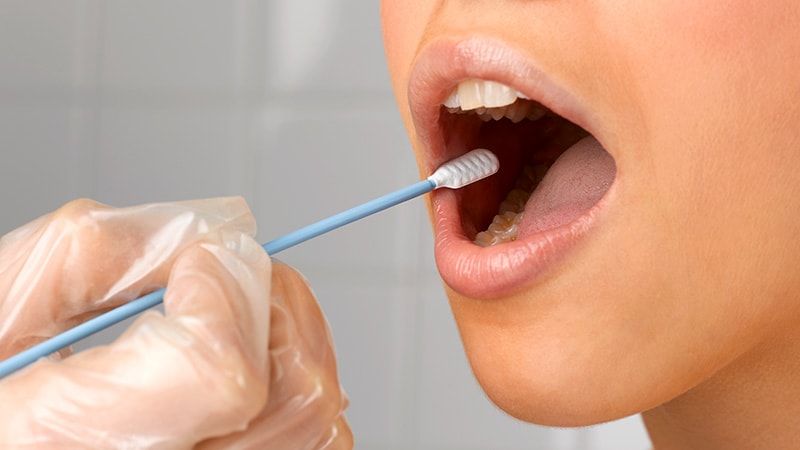
Salivary testing, biocompatibility testing and 3D imaging are the three tools that define a biologic dental workup. Here is what each one detects, when it matters, and how TetraHealth Dentistry in New York City uses all three before treatment planning begins.
Inflammation rarely announces itself. A tooth can look sound on a two dimensional x-ray while the bone around it tells a different story, and a filling can sit quietly for a decade in a body that has been reacting to it the whole time. Biologic dentistry starts from the position that what cannot be measured cannot be managed well, which is why diagnostics come before treatment planning.
This article explains the three diagnostic tools that define a biologic workup: salivary testing, biocompatibility testing, and three dimensional imaging. It also looks at how one vetted practice in the OraBiologics network, TetraHealth Dentistry in New York City, has built its clinical model around them.
What is biologic dental diagnostics?
Biologic dental diagnostics is the use of laboratory and imaging tests to identify infection, inflammation, material reactivity and airway restriction before restorative treatment begins. Where conventional diagnostics answer the question "is this tooth broken," biologic diagnostics ask a wider one: what is this mouth doing to the rest of the body, and what is the body doing in response.
The practical difference is sequence. A biologic practice tests first, interprets the results alongside the patient's medical history, and only then proposes a treatment plan. That order matters most for patients carrying chronic illness, autoimmune conditions or unexplained systemic inflammation.
Salivary testing: reading the bacterial picture
Salivary diagnostic testing analyzes a saliva sample to identify and quantify specific bacterial species living in the mouth. A simple rinse, usually around thirty seconds, is enough to produce a laboratory report.
The value is specificity. Rather than a general finding of gum inflammation, salivary testing names the organisms present and reports whether each sits at a high, moderate or low risk level. Several of the periodontal pathogens these panels detect have been studied for their associations with cardiovascular disease, diabetes and stroke, which is why the results inform more than a cleaning schedule.
When salivary testing is most useful
- Gum inflammation that returns despite good home care
- A personal or family history of cardiovascular or metabolic disease
- Before implant placement, where bacterial load affects healing
- Establishing a measurable baseline so treatment can be judged against something
Biocompatibility testing: matching materials to the individual
Biocompatibility testing is a blood or serum test that screens a patient's immune reactivity against the chemical components used in dental materials. It does not declare a material universally safe or unsafe. It reports how one particular person's immune system responds.
This distinction is the point. Two patients can receive the same composite, and one can do well while the other carries a low grade inflammatory response for years without connecting it to dentistry. Testing before placement replaces assumption with data, which is especially valuable in full mouth reconstruction where a single material choice gets repeated across many teeth.
Three dimensional imaging: seeing what flat images hide
Cone beam computed tomography, usually shortened to CBCT, produces a three dimensional image of the jaws, sinuses and airway. A conventional dental x-ray compresses that anatomy into a single flat plane, which means overlapping structures can obscure one another.
CBCT changes what is findable. Areas of compromised bone, the true extent of an infection, sinus involvement and the dimensions of the airway all become visible and measurable. For surgical planning, particularly implant placement and extraction, it is the difference between estimating and knowing.
A note on radiation
Biologic practices generally pair 3D imaging with a deliberate approach to dose, scanning the smallest field that answers the clinical question rather than defaulting to the largest. Ask any practice how they decide field size, since the answer tells you a good deal about how they think.
Practice highlight: TetraHealth Dentistry, New York City
TetraHealth Dentistry on Fifth Avenue in Manhattan has organized its entire clinical model around what it calls the four pillars of biologic dental health, with diagnostic testing central to its oral systemic pillar. The practice offers salivary testing, biocompatibility testing and 3D imaging together, using them to detect hidden inflammation and bacterial imbalance before irreversible damage occurs.
Dr. Alexander Volchonok, DMD, MS, FICOI, FIALD, leads the practice. His training spans implant surgery, laser dentistry and biologic dentistry, and it maps closely onto the range of care TetraHealth delivers under one roof.
The practice is built for complexity. For patients with chronic illness, autoimmune conditions or systemic inflammation, the biologic approach there integrates non reactive materials, anti inflammatory protocols and individualized planning intended to reduce triggers rather than add to them. Clinical services include SMART certified safe mercury removal, led by Dr. Michele Volchonok, along with ozone and platelet rich fibrin therapy, IV infusion therapy, nutrition health screening, biologic tooth removal, cavitation surgery, airway focused dentistry and laser gum therapy. TetraHealth also offers pinhole gum rejuvenation, soft tissue grafting and dental meridian evaluation.
Dr. Volchonok practices alongside Dr. Michele Volchonok, DMD, FIALD, FIAOMT, and Dr. James Linkous, DMD, MS, FACP, giving the practice depth across surgical, restorative and prosthetic care.
TetraHealth Dentistry is a vetted OraBiologics practice. Visit the full directory listing to see the doctors, the services it was verified for, and to request an appointment. Free membership opens the listing, and it is free to create an account.
How to use this information
If you are preparing for significant dental work, particularly implants, extractions or full mouth reconstruction, ask what testing happens before the plan is written. A practice that tests first is telling you it intends to treat your biology rather than an average.
Reasonable questions to bring to a consultation:
- Do you offer biocompatibility testing before placing materials, and how are results applied?
- Do you use salivary diagnostics, and will I get a baseline I can be re-measured against?
- Do you take a 3D scan before surgical treatment, and how do you decide the field size?
- How do the test results change the treatment plan you would otherwise propose?
Frequently asked questions
What does salivary testing detect?
It identifies and quantifies specific bacterial species in the mouth, including periodontal pathogens studied for their associations with cardiovascular disease, diabetes and stroke. Results are reported by risk level rather than as a single overall score.
Is biocompatibility testing the same as an allergy test?
No. Allergy testing looks for immediate hypersensitivity reactions. Biocompatibility testing screens immune reactivity to the chemical components of dental materials, which can produce low grade responses rather than obvious allergic symptoms.
Why is a 3D scan recommended before implant or extraction surgery?
Because a flat x-ray overlaps anatomy. A 3D scan shows bone volume, infection extent, sinus involvement and airway dimension, which are the factors that determine whether a surgical plan is sound.
Who benefits most from a biologic diagnostic workup?
Patients with chronic illness, autoimmune conditions or persistent systemic inflammation, patients planning implants or full mouth reconstruction, and anyone whose oral inflammation keeps returning without a clear cause.
Do I need to be sick to see a biologic dentist?
No. A great deal of biologic dentistry is preventive, and establishing a baseline while you are well is more useful than establishing one after a problem has taken hold.
Finding a provider
Every practice in the OraBiologics directory has been vetted against biologic protocol standards, so the diagnostic capability described here is not something you have to discover by trial and error. Membership is free, and it opens the full vetted provider network along with the resource library and live Ask The Experts sessions.
If you are weighing a treatment plan you have already been given, an Oral Wellness Review offers a second opinion on the direction before you commit to it.
Membership
Go deeper with member-only resources
Access webinars, coaching, and curated wellness guidance backed by our vetting standards.