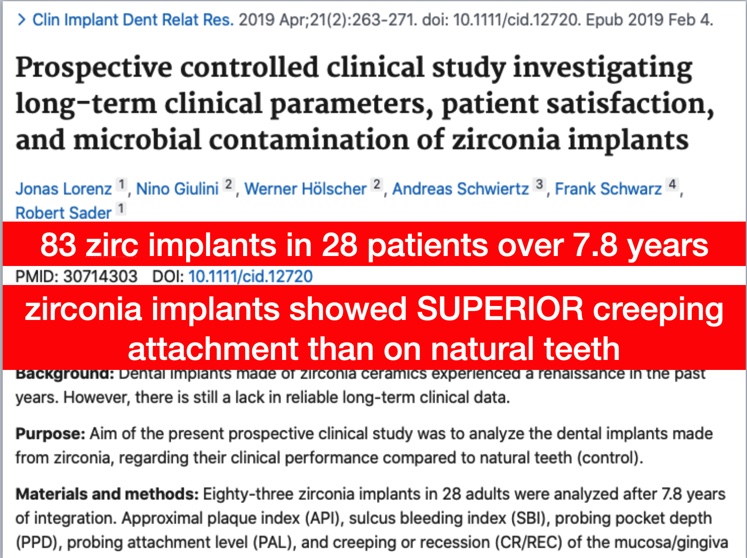
Zirconia vs Titanium Implants: Why Ceramic Wins Long Term
Why zirconia implants, one-piece systems like CeraRoot and SDS, show better long-term success and fewer immune reactions than titanium, and why to test first.
Resource Library
Why zirconia implants, one-piece systems like CeraRoot and SDS, show better long-term success and fewer immune reactions than titanium, and why to test first.
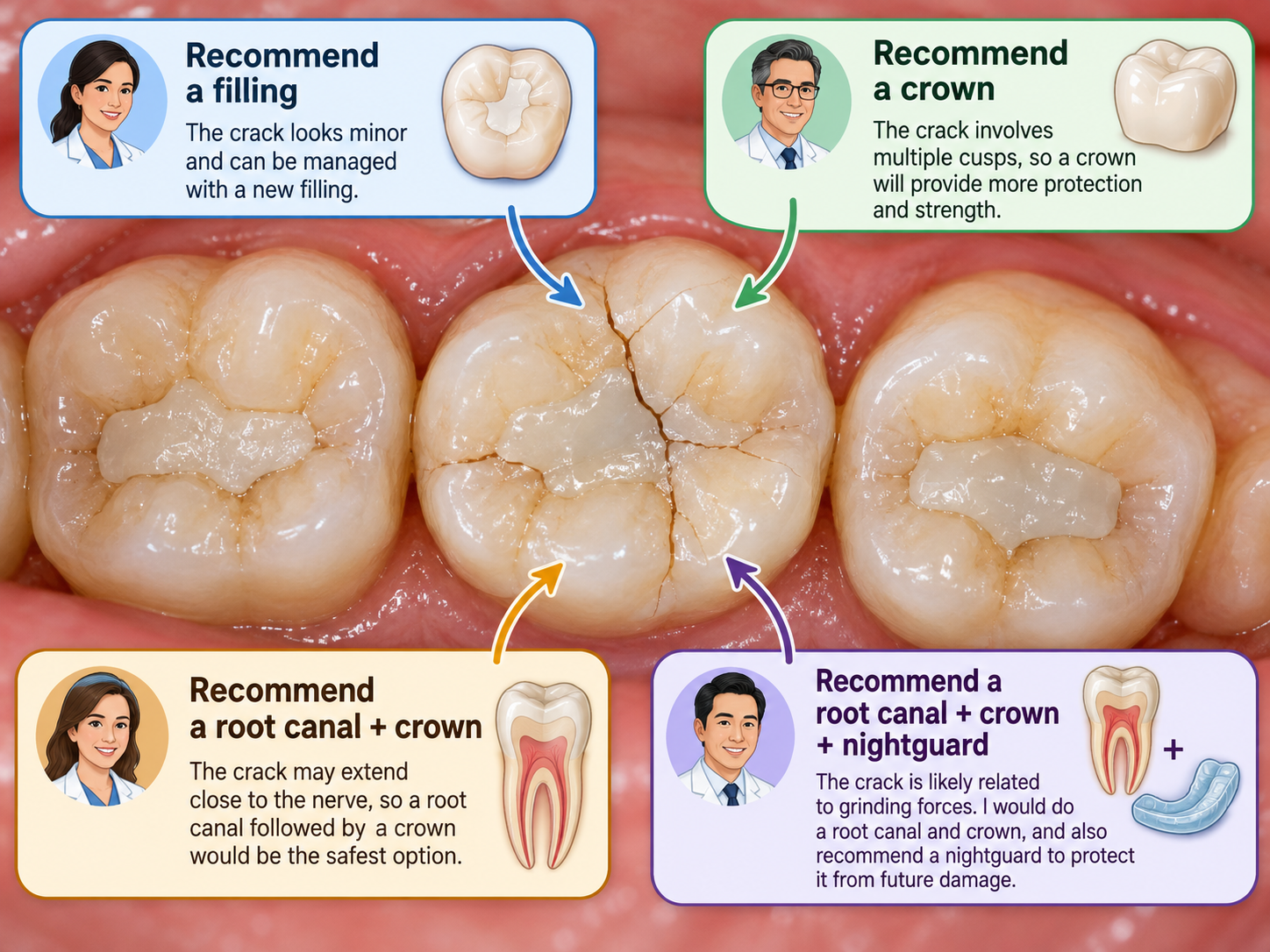
Why two or ten dentists can look at the same mouth and recommend different treatments, how judgment and biology shape each plan, and how to choose calmly.
Why 75 percent of adults have some form of gum disease yet most go undiagnosed, how rushed cleanings miss it, and why diagnosis needs more than a polish.
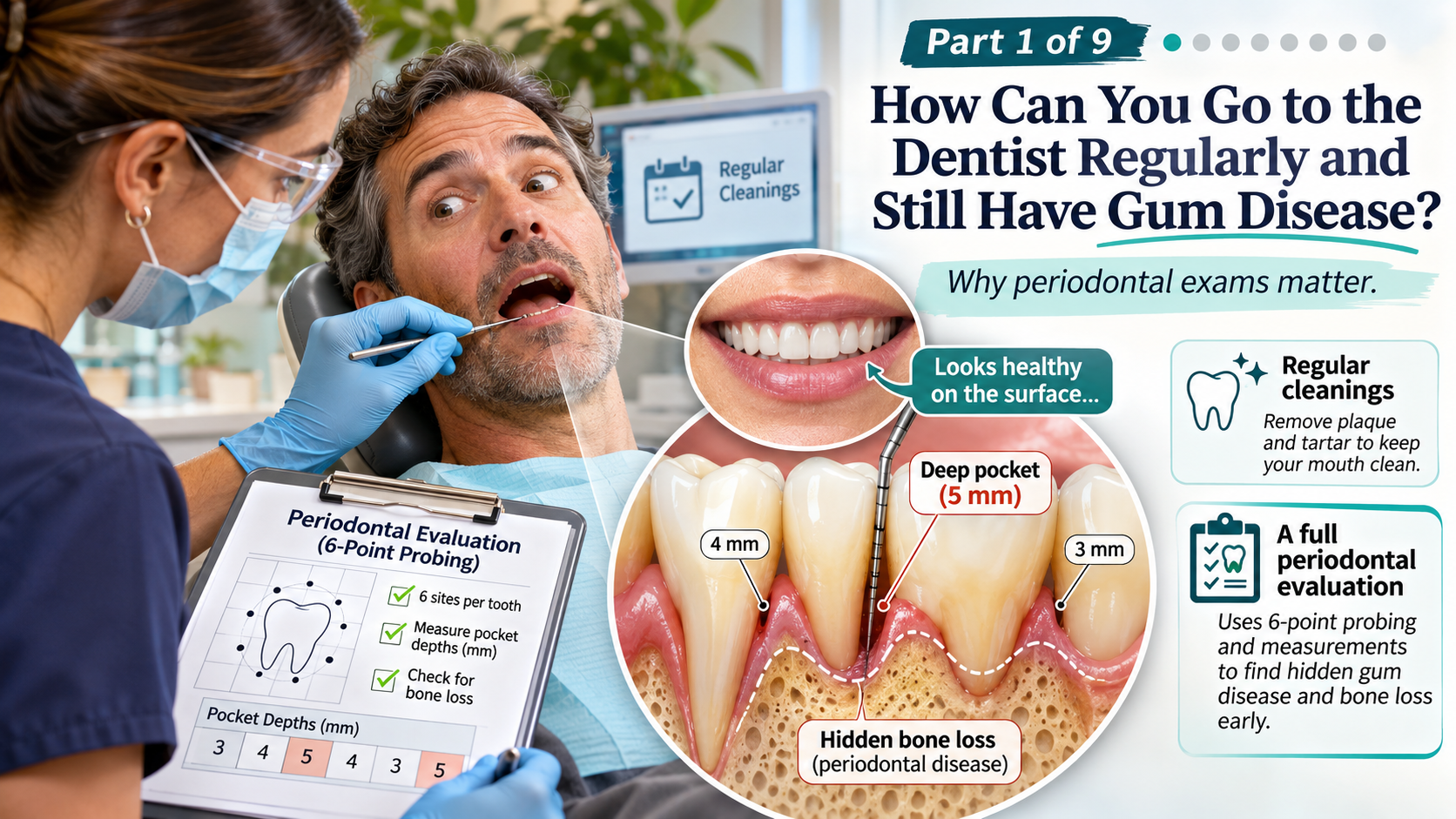
Can you visit the dentist every six months and STILL have serious gum disease without knowing it? In Part 1 of this 9-part series, we explore why periodontal disease is so often missed, what a comprehensive gum examination should include, and how early detection can help prevent devastating bone loss and tooth loss.
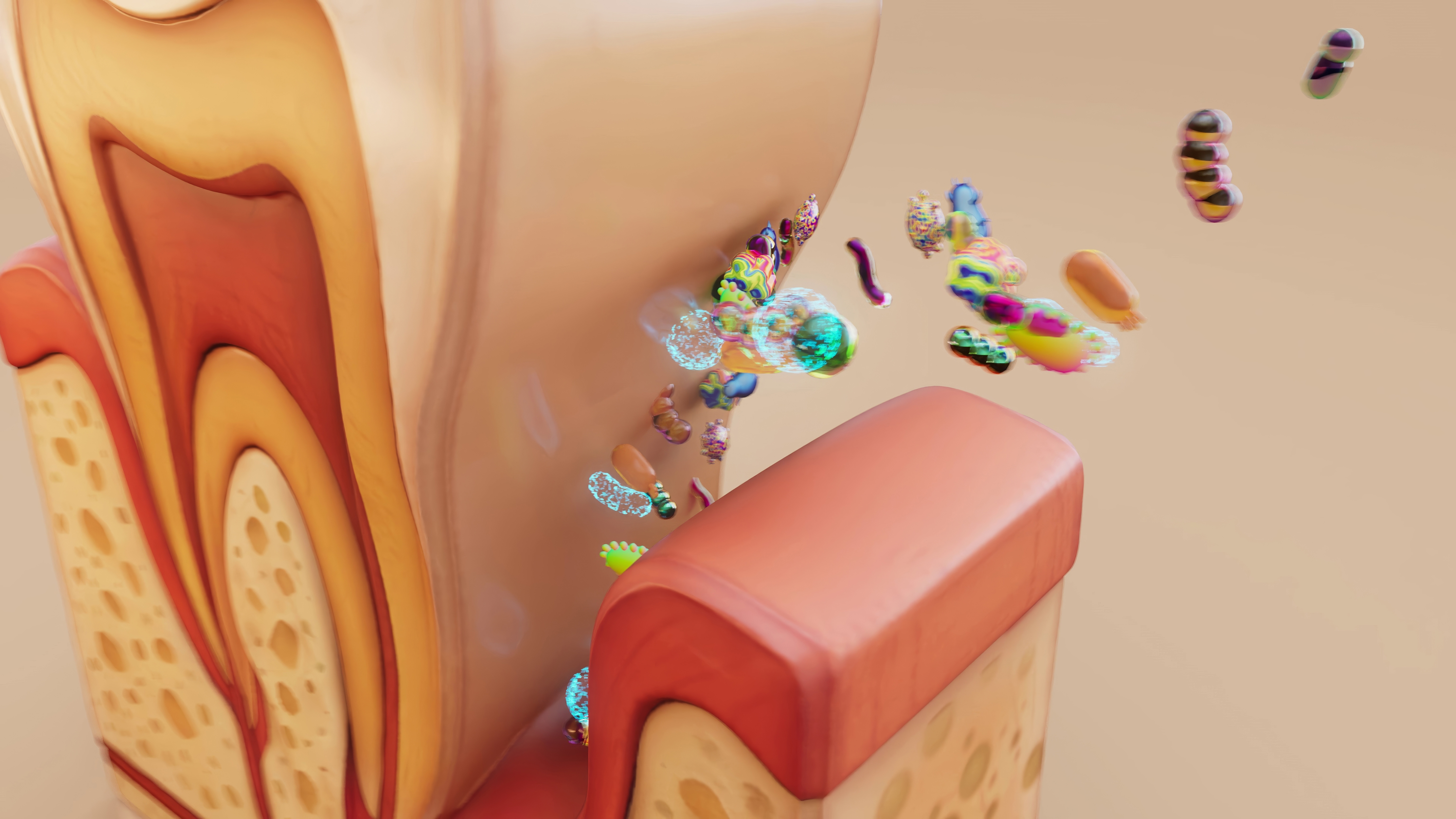
Why periodontal disease returns after deep cleanings, why it is a chronic condition that is managed rather than cured, and why 90-day maintenance matters.
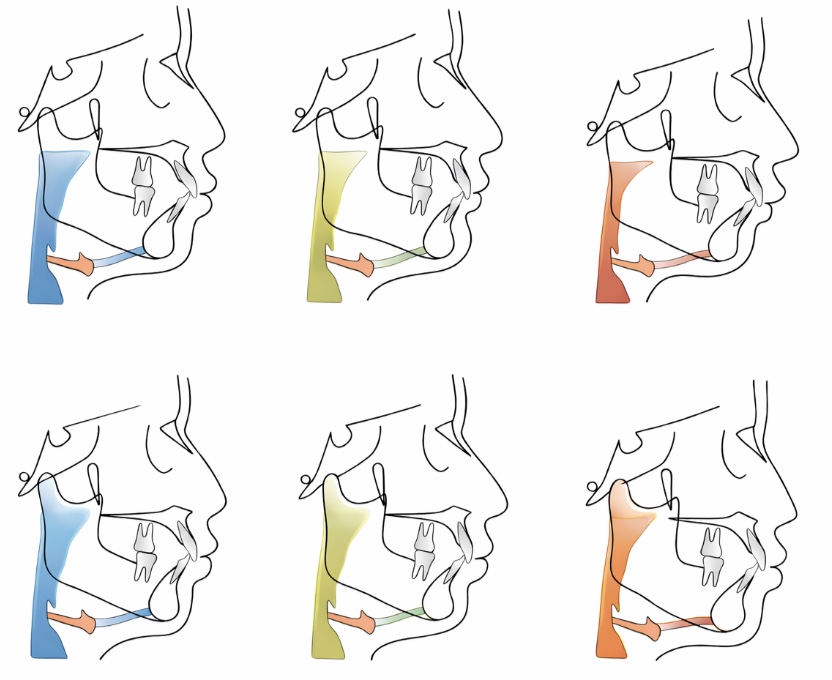
Why teeth move after braces, how airway resistance, tongue posture and muscle force drive orthodontic relapse, and why retainers are part of honest care.
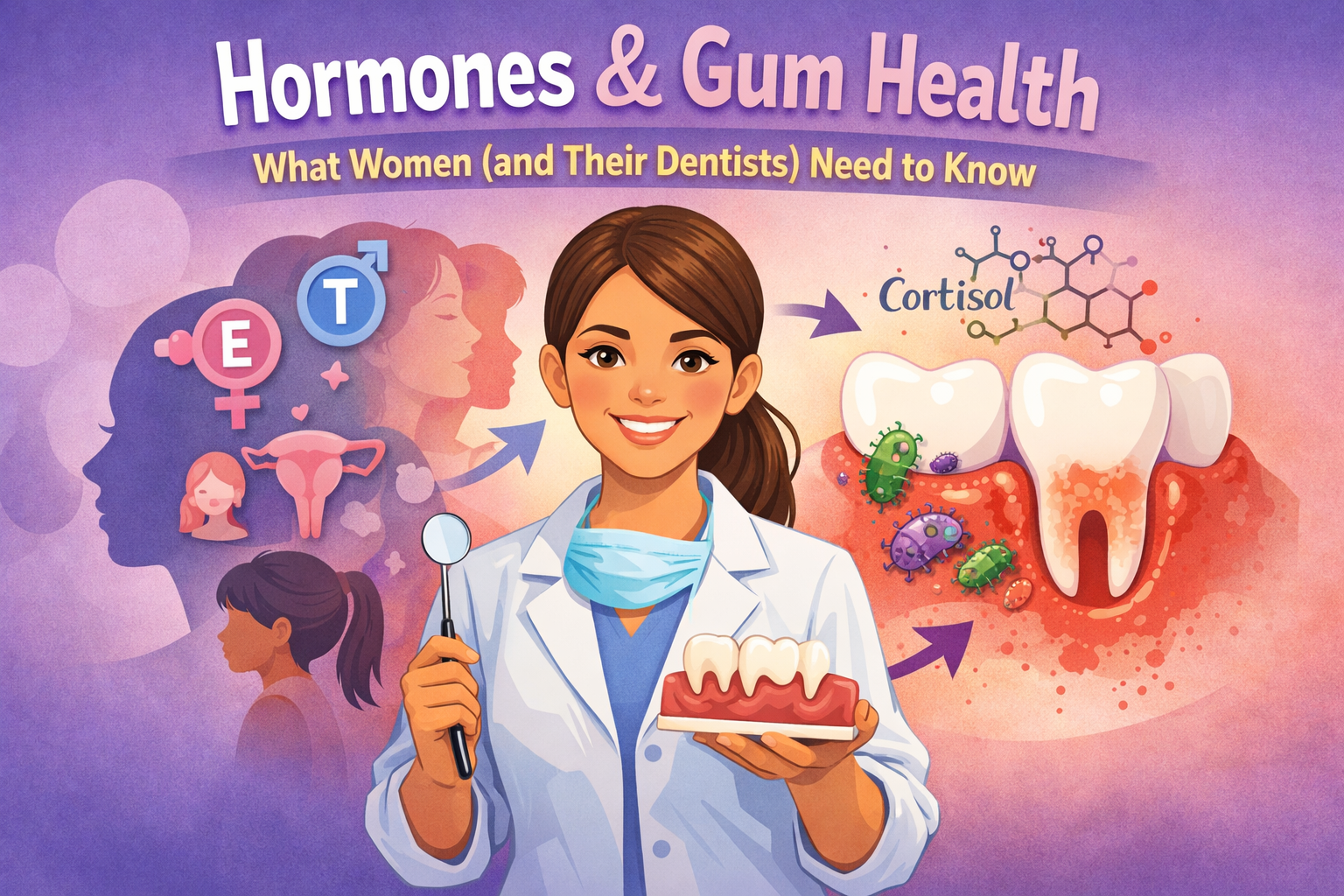
Why teenagers' gums bleed despite good brushing, how estrogen and testosterone in puberty change the gum's response to plaque: same plaque, different biology.
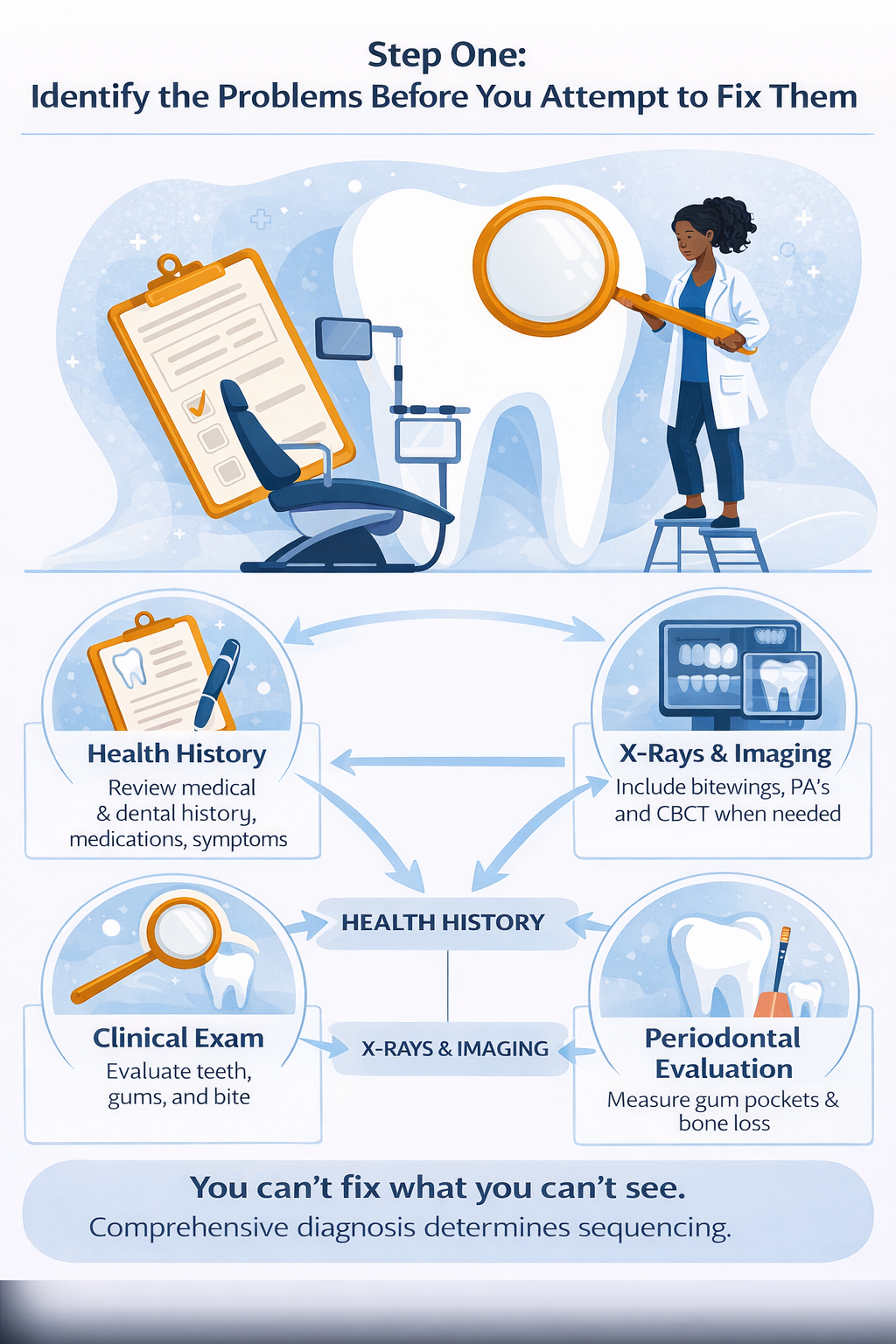
What X-rays, CBCT scans and clinical exams can and cannot reveal, why dental work can fail after a clean diagnosis, and how force and healing shape results.
Why infection, decay and gum disease must be treated before cosmetic work, how state dental boards judge substandard care, and why piecemeal dentistry fails.
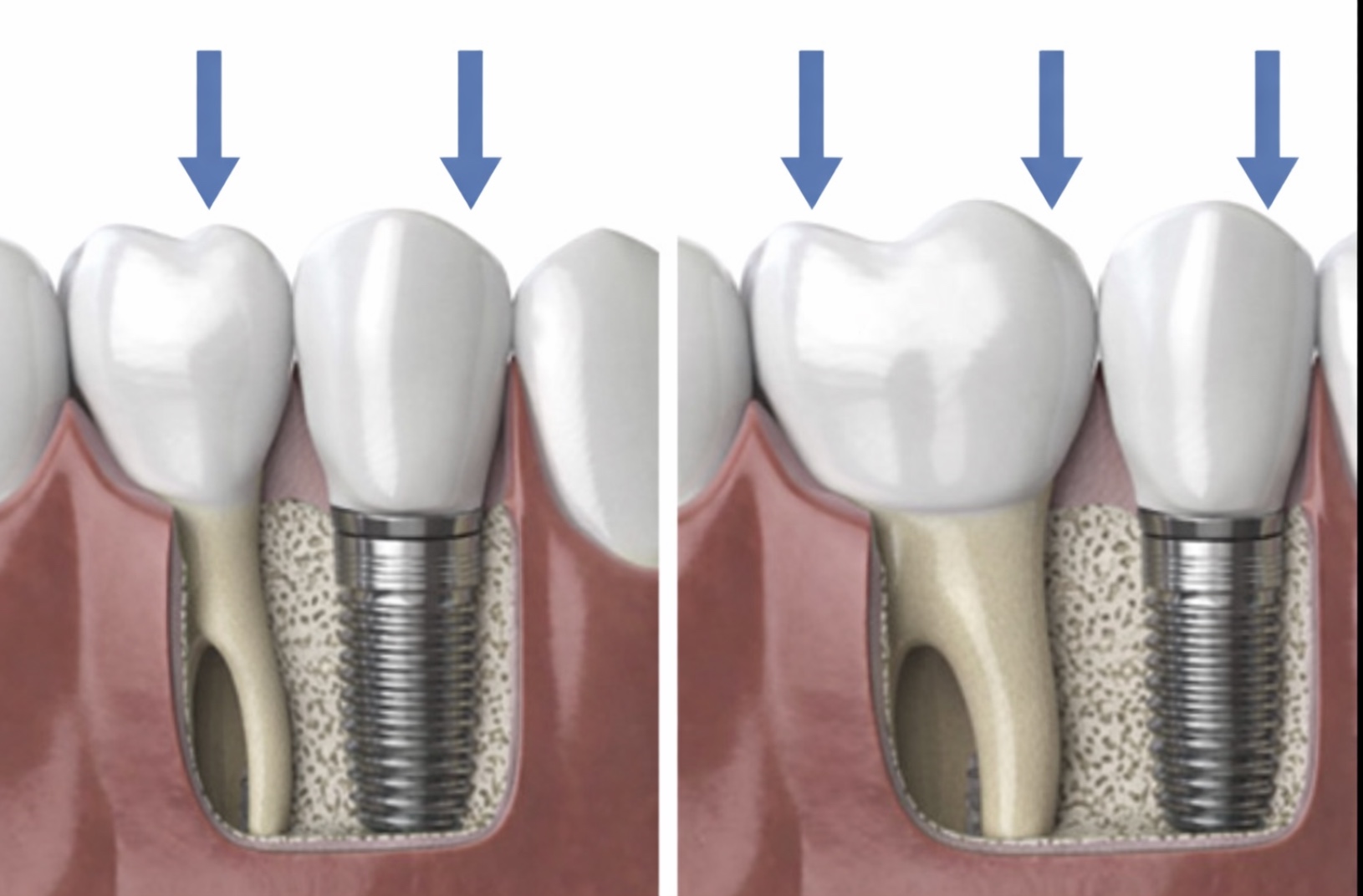
Why an integrated implant can still fail under grinding and clenching, how implants lack the ligament that lets teeth adapt, and why airway care comes first.
The causes of receding gums, from periodontal disease and bite trauma to airway dysfunction, orthodontics and hormones, and how to find the root cause first.
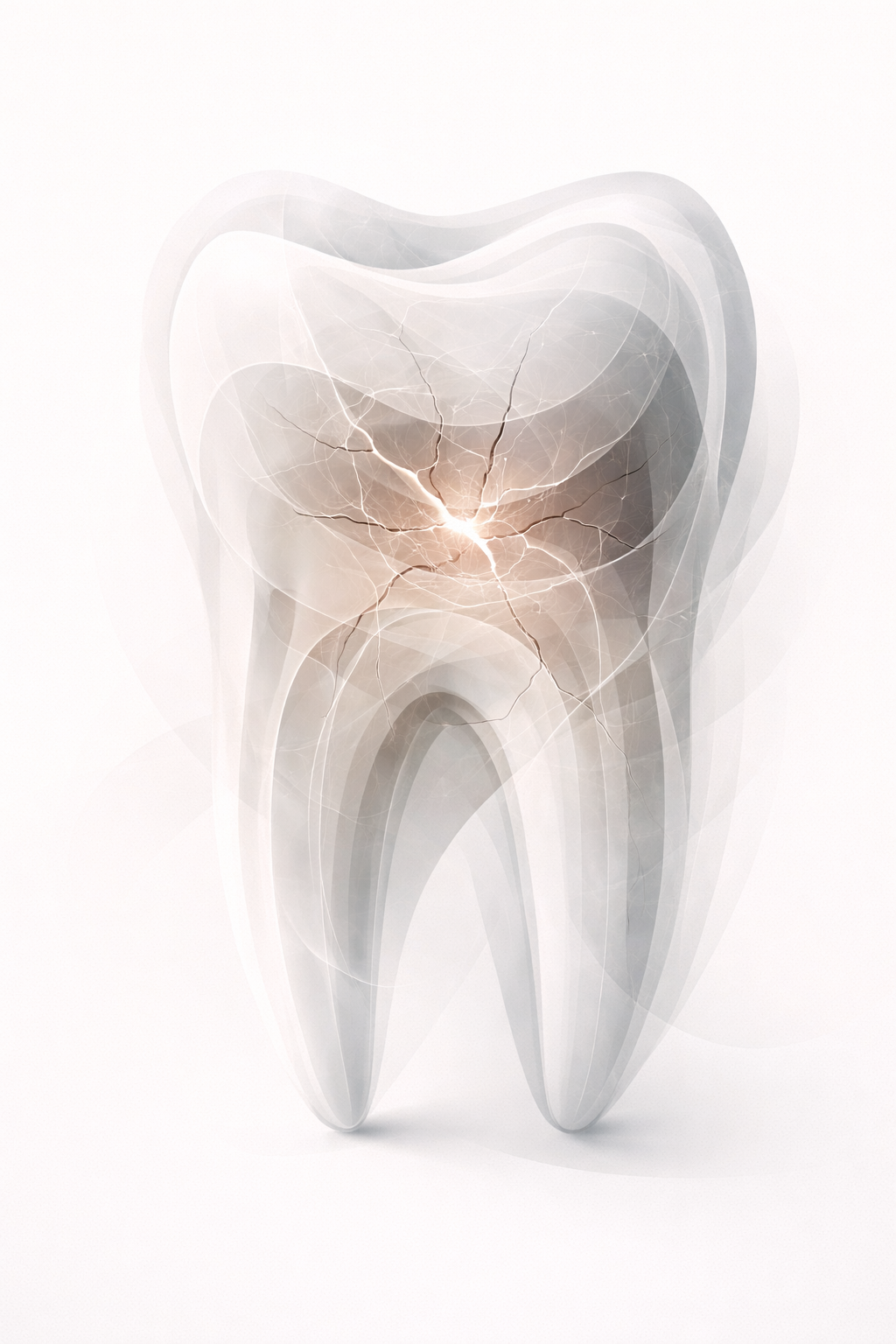
Why fillings, crowns and implants fail even when done well, how bite force, airway and healing capacity decide outcomes, and what to ask before redoing it.
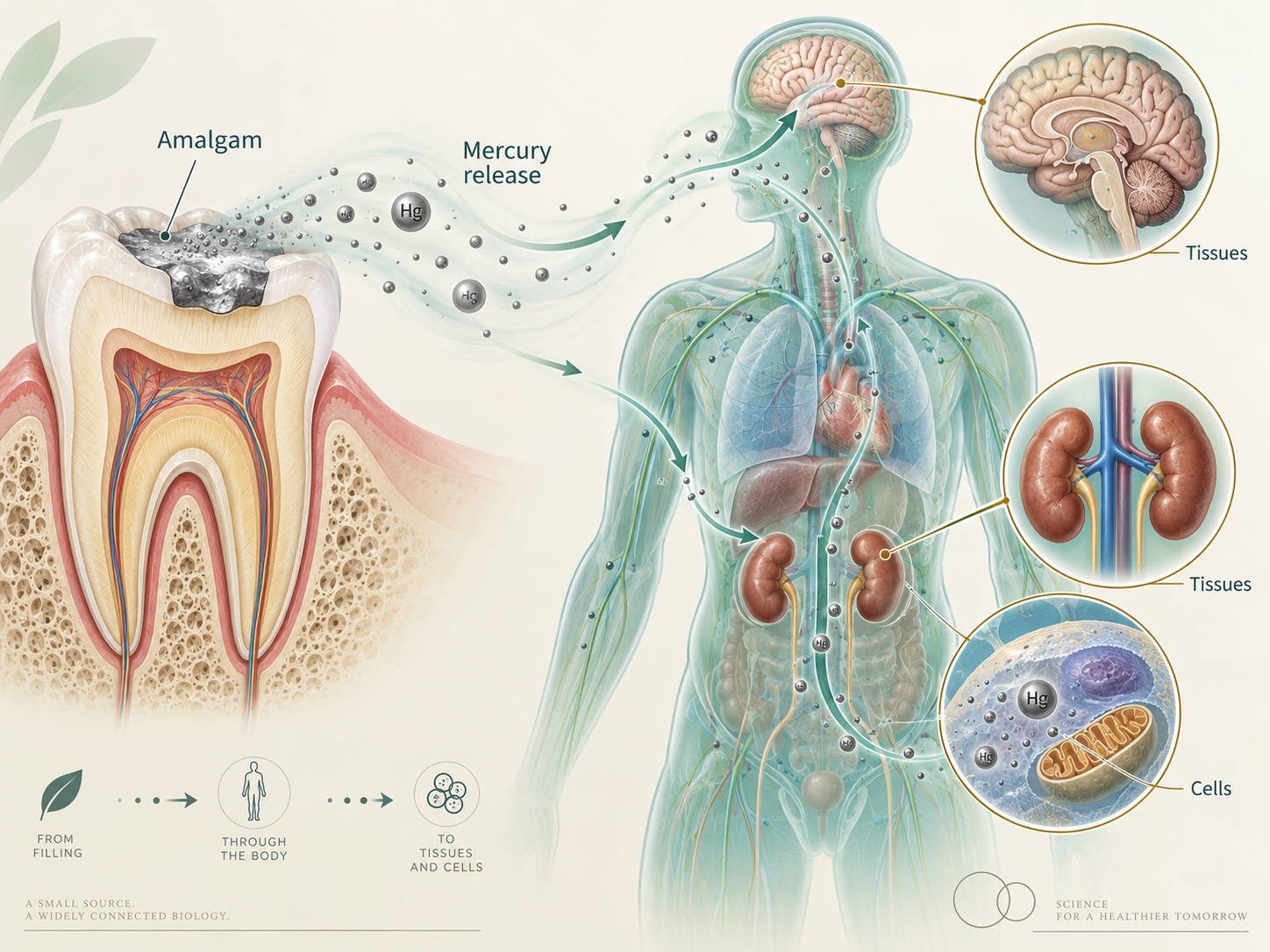
Where mercury vapor from amalgam fillings travels once inhaled, how it crosses into the brain and kidneys, why it stays for years, and what it does to cells.
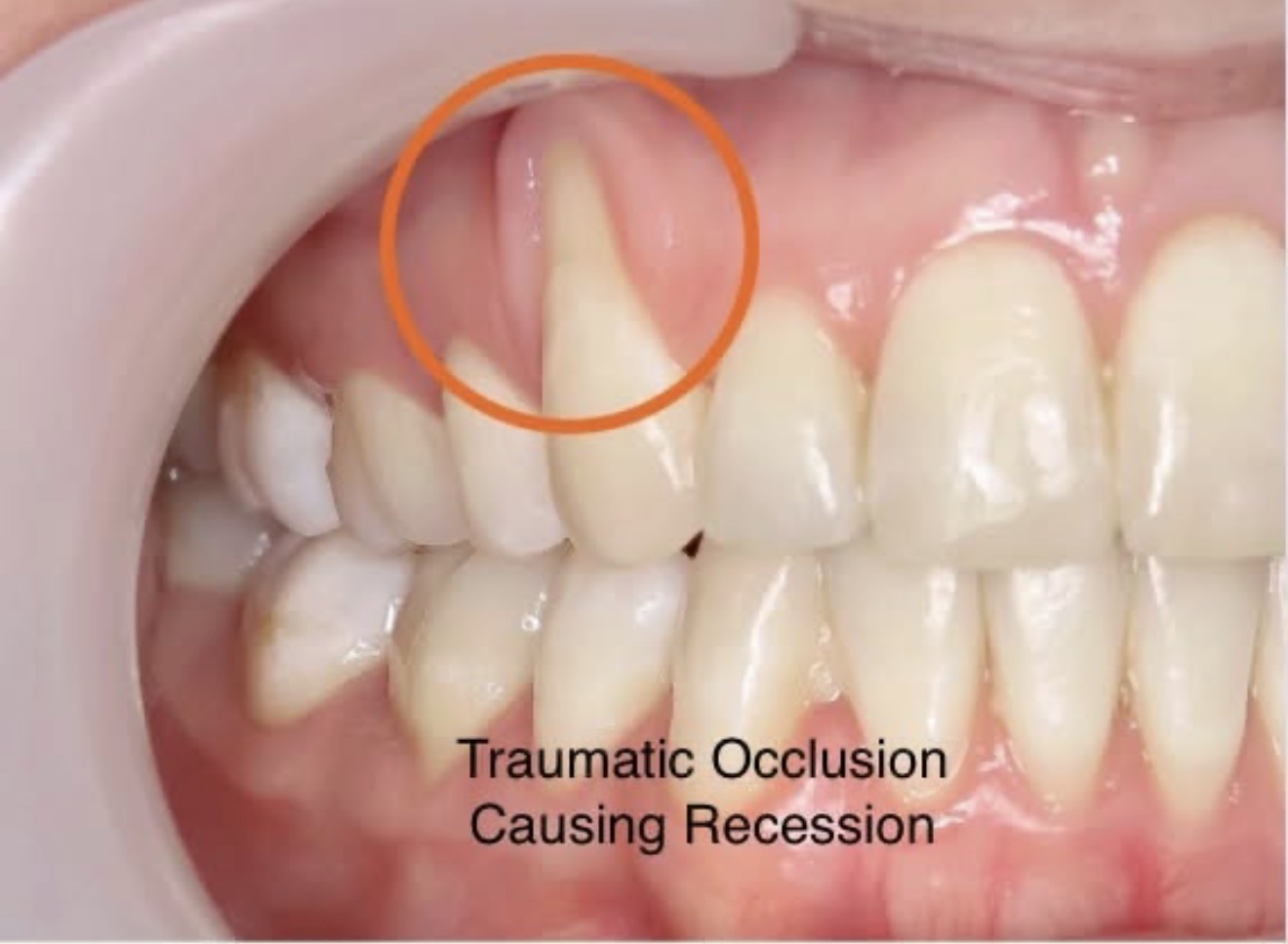
What traumatic occlusion is, how repetitive bite force beyond the body's tolerance damages teeth, bone and gums over time, and why failure can look sudden.
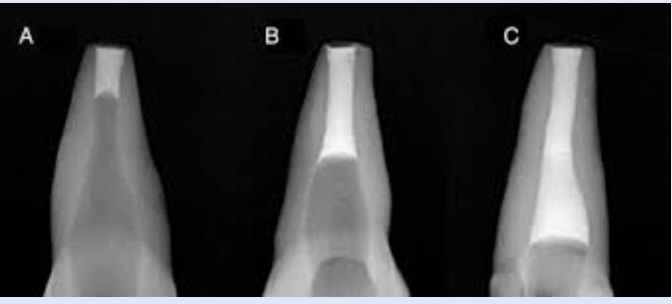
What MTA (mineral trioxide aggregate) does inside a root canal, why it heals bone better than older sealers, and why local healing is not systemic safety.
Myofunctional therapy retrains the tongue, lips and face muscles for breathing, swallowing and sleep. Signs to watch for and how to find a therapist.